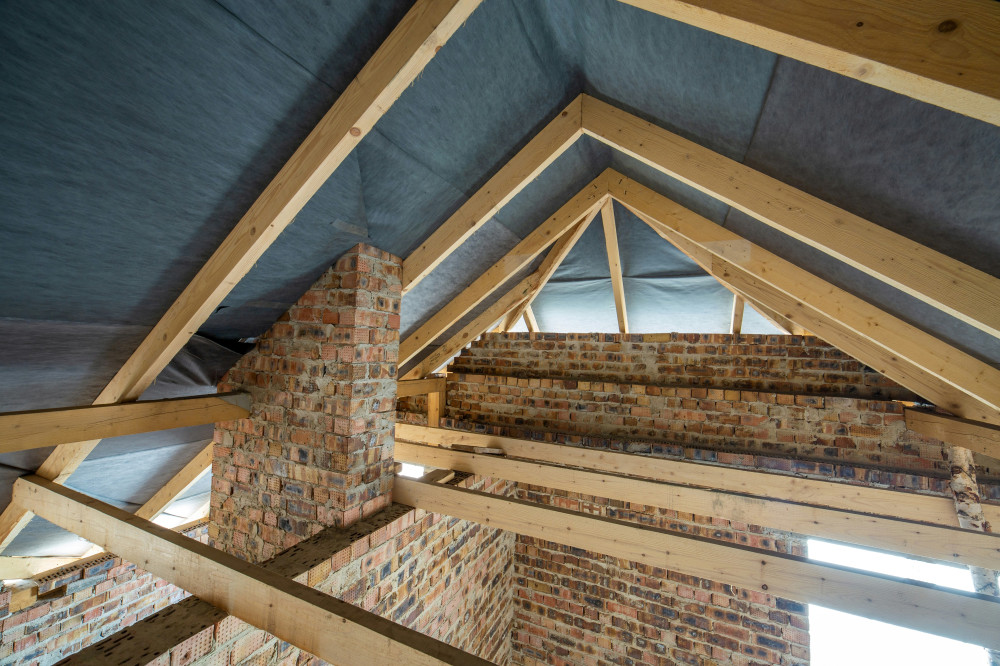
Pests in the attic? How to protect your attic insulation from unwanted guests


Pests in the attic? How to protect your attic insulation from unwanted guests
An attic can be a warm, dry, and quiet space – perfect for storage, but unfortunately also attractive to pests. In India’s varied climate, from humid coasts to dry interiors, rodents, birds, bats, and insects often find their way into roof spaces in search of shelter. Once inside, they can damage insulation, wiring, and even the structure of your home. Fortunately, with a few preventive steps, you can protect your attic insulation and keep unwanted guests out.
Why pests love the attic
Attics are often undisturbed and full of cozy hiding spots. During the monsoon, animals seek dry shelter, while in cooler months they look for warmth. Insulation materials such as fiberglass or cellulose can make ideal nesting sites for rats, squirrels, or birds.
Rodents can chew through almost anything, including electrical cables, which can lead to short circuits or fire hazards. Birds and bats leave droppings that can cause unpleasant odours and health risks. Termites and ants, common in many Indian regions, can also damage wooden beams and insulation materials.
Signs that pests have moved in
It’s not always easy to spot pests in the attic, but there are several warning signs to look out for:
- Scratching or scurrying sounds, especially at night.
- Droppings or urine stains on insulation or beams.
- Damaged insulation – torn, flattened, or displaced material.
- Unpleasant smells from droppings or dead animals.
- Gnaw marks on wires, wood, or plastic.
- Nests made of paper, cloth, or dried leaves.
The sooner you detect the problem, the easier it is to control it and prevent further damage.
Læs også:

Seal entry points
The best way to protect your attic is to stop pests from entering in the first place. Inspect your roof and attic thoroughly for cracks, gaps, and openings.
- Seal all holes and gaps around pipes, vents, and cables using metal mesh or steel wool – materials rodents cannot chew through.
- Repair broken tiles or loose roofing sheets that could allow birds or squirrels to enter.
- Install mesh screens over ventilation openings and exhaust fans.
- Trim nearby trees and branches so animals cannot jump onto the roof.
- Check false ceilings and eaves for small openings that may serve as entry points.
A well-sealed attic not only keeps pests out but also improves your home’s energy efficiency.
Choose pest-resistant insulation
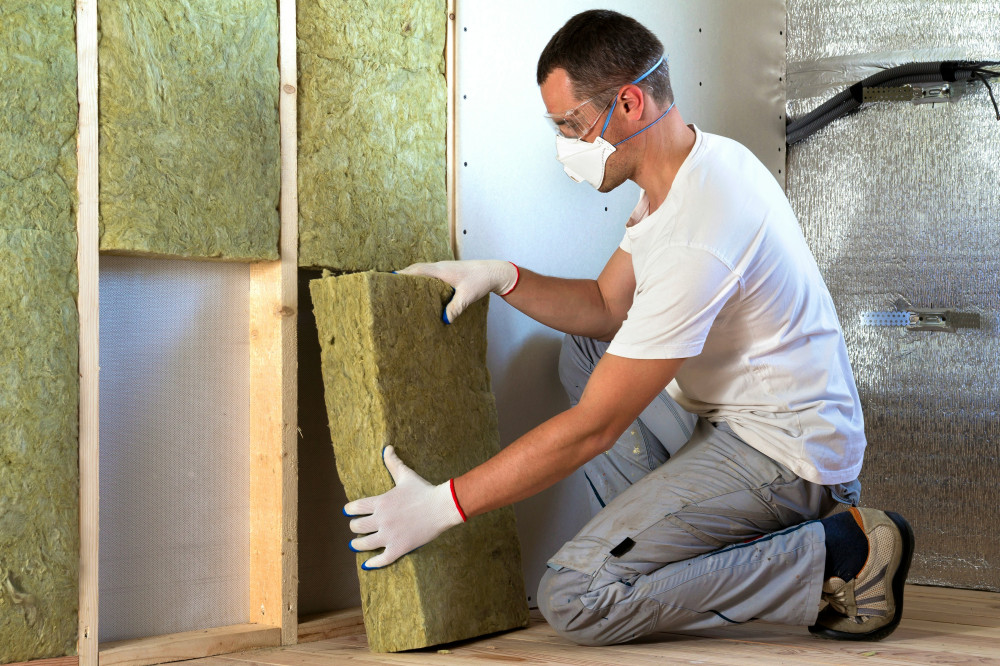
When insulating or upgrading your attic, consider materials that are less attractive to pests. Mineral wool and rock wool are good options because they are not suitable for nesting. Some cellulose insulation products are treated with borate compounds, which deter insects and rodents.
If you live in a termite-prone area, consult a professional about termite-resistant materials or treatments before installation.
Keep the attic clean and dry
A cluttered attic filled with cardboard boxes, old clothes, and paper is a paradise for pests. Keep the space tidy and store items in sealed plastic containers instead of cardboard. Ensure proper ventilation to prevent moisture buildup – damp conditions attract insects and can lead to mould growth.
Avoid storing food, grains, or bird feed near the attic entrance, as even small amounts can attract rodents and ants.
What to do if pests are already there
If you notice signs of infestation, act quickly. Identify the type of pest before deciding on a control method.
- Rats and mice can be trapped using mechanical traps or bait stations, but handle them safely and dispose of them properly.
- Birds and bats are protected species in many parts of India, so avoid harming them. Instead, locate and seal their entry points after they have left.
- Insects such as termites or ants may require professional pest control treatment.
After removing the pests, replace any damaged insulation and disinfect the area to remove odours and bacteria.
When to call a professional
If the infestation seems extensive or you’re unsure how to handle it, contact a licensed pest control expert. They can identify the species, locate entry points, and recommend safe and effective solutions. Professional help can save you time, money, and unnecessary stress.
A healthy attic means a healthy home
A well-insulated, pest-free attic not only keeps your home comfortable but also protects it from structural damage, odours, and health risks. With regular inspection, good maintenance, and preventive measures, you can ensure that your attic remains a safe, clean, and energy-efficient part of your home – not a haven for unwanted guests.
Læs også: