Monitor Your Indoor Climate: Adjust Your Home’s Insulation as Needed Over Time


Monitor Your Indoor Climate: Adjust Your Home’s Insulation as Needed Over Time
A comfortable indoor environment is about more than just air conditioning or ventilation – it’s also about how well your home is insulated. Many homeowners think of insulation as a one-time job, but in reality, your home’s insulation needs can change over time. Shifts in weather patterns, new materials, and changes in how your family uses the space can all affect how well your home retains heat or stays cool. By monitoring your indoor climate and adjusting insulation when needed, you can save energy, improve comfort, and extend the life of your home.
Why Your Indoor Climate Changes
India’s diverse climate – from humid coasts to dry interiors and cold northern regions – means that insulation needs vary widely. Over time, small changes in your home’s structure, such as cracks around windows, worn-out seals, or moisture damage, can affect how your home handles heat and humidity. Meanwhile, climate change is making weather more unpredictable, with hotter summers, heavier monsoons, and cooler winters in some areas. These shifts can challenge even well-built homes.
Start by observing how your home feels throughout the year. Do certain rooms become unbearably hot in summer or damp during the monsoon? Do you notice condensation on windows or musty smells in corners? These are signs that your insulation or ventilation may need attention.
Regularly Assessing Your Insulation
Instead of waiting for major problems, it’s wise to review your home’s insulation once a year. This doesn’t have to be complicated – a simple checklist can help you spot issues early:
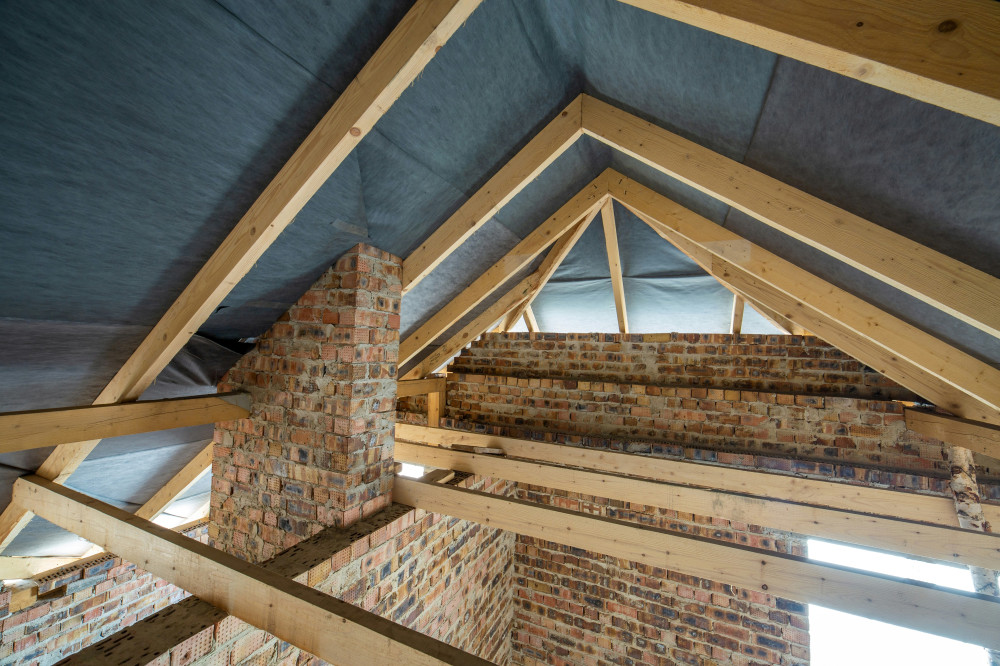
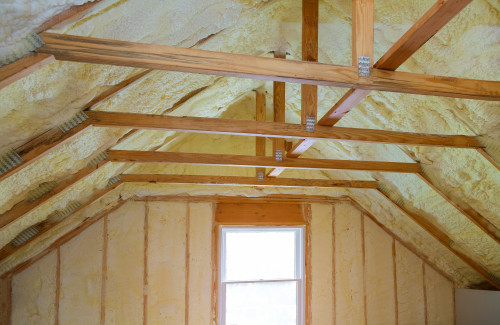
- Roof and attic: Check for damp patches or mold, especially after the monsoon. Moisture can reduce insulation performance.
- Walls: Touch the walls during different seasons. If they feel hot in summer or cold in winter, insulation may be insufficient.
- Windows and doors: Inspect seals and frames. Even small gaps can let in hot air or moisture.
- Floors and basements: In cooler regions, cold floors may indicate missing or degraded insulation.
Keeping notes from year to year helps you track how your home responds to changing weather and when it’s time to act.
New Materials and Smart Technologies
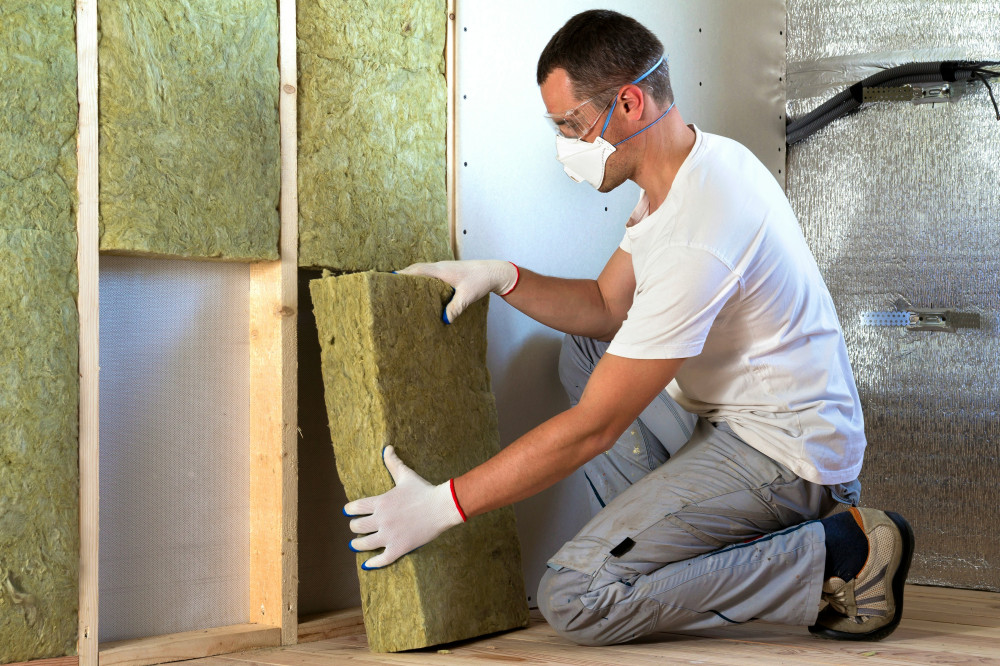
Insulation materials have evolved significantly. Beyond traditional fiberglass or mineral wool, there are now eco-friendly options like cellulose (made from recycled paper), coconut coir, jute, and hemp – materials that are locally available in India and perform well in humid conditions. Reflective insulation and radiant barriers are also popular in hot climates, as they help reduce heat gain from the sun.
Technology can make monitoring easier. Affordable indoor climate sensors can measure temperature, humidity, and air quality in real time. By comparing this data with your electricity usage, you can identify where your home loses cooling or traps moisture – and where improvements will have the biggest impact.
Adjusting to Lifestyle and Regional Needs
Insulation isn’t just about the building; it’s also about how you live in it. If you’ve started working from home, you may need better comfort in one room throughout the day. If children have moved out, you might reduce cooling in unused spaces. Adjusting insulation and ventilation to match your lifestyle can make your home more efficient.
In India’s varied climate, flexibility is key. In hot regions, combining insulation with shading – such as reflective roofs, ventilated attics, or bamboo screens – can keep interiors cooler. In cooler areas, thicker wall insulation and double-glazed windows can help retain warmth during winter.
Læs også:


When It’s Time to Upgrade
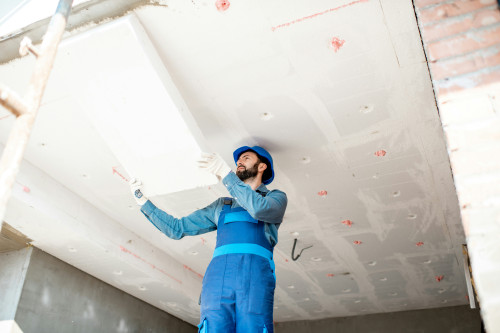
Small fixes can go a long way, but eventually, a full upgrade may be necessary. If your insulation is more than 20–25 years old, or if your energy bills are much higher than similar homes, consider a professional energy audit. Experts can use thermal imaging to pinpoint where heat enters or escapes, helping you prioritize improvements. Sometimes, simply adding insulation to the roof or sealing air leaks can make a noticeable difference.
A Healthy, Balanced Home
Monitoring your indoor climate is ultimately about creating a home that feels comfortable year-round – without wasting energy. By staying alert to small changes, using modern tools, and updating insulation as needed, you can ensure your home remains efficient, healthy, and ready for the future.
It’s not a one-time task but an ongoing process, much like maintaining your roof or repainting walls. The reward is a home that adapts with you – offering lower energy costs, better comfort, and a living space that truly supports your well-being.
Læs også: