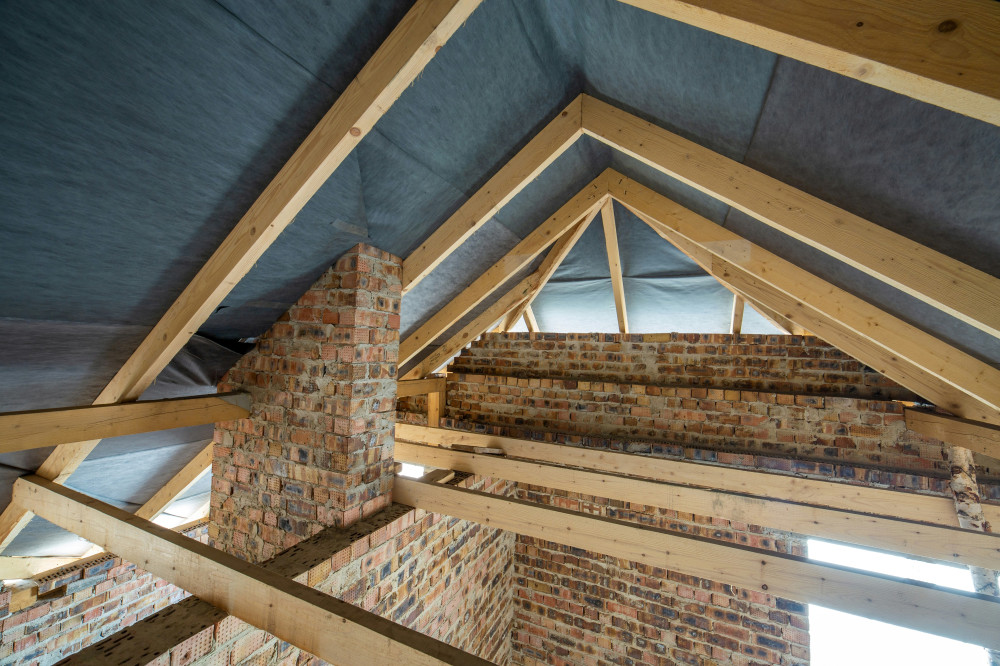
Insulate the Floor from Below: Practical Solutions from the Basement or Crawl Space


Insulate the Floor from Below: Practical Solutions from the Basement or Crawl Space
Cold floors can make even a well-designed home feel uncomfortable. In many Indian houses—especially older ones or those built without modern insulation—heat escapes through the floor, leading to higher energy bills and uneven indoor temperatures. Fortunately, you can improve comfort and energy efficiency by insulating the floor from below, either through a basement or a crawl space. This article explains how to approach the task and which solutions best suit Indian homes and climates.
Why Insulate the Floor from Below?
In India’s diverse climate, from the cool northern hills to the humid coastal plains, floor insulation can make a noticeable difference. Poorly insulated floors allow heat to escape in winter and let in unwanted heat or moisture during summer and monsoon seasons. The result is discomfort, higher energy use for heating or cooling, and potential dampness or mould problems.
By insulating the floor from below, you can:
- Improve comfort – floors stay warmer in winter and cooler in summer.
- Save energy – less heat loss or gain means lower electricity or fuel costs.
- Reduce moisture problems – proper insulation helps keep basements and crawl spaces dry.
Insulating from a Basement – Step by Step
If your home has a full or partial basement, this is often the easiest place to add insulation. The insulation is installed directly under the floor structure—either between wooden joists or on the underside of a concrete slab.
Step-by-step guide
- Inspect the structure – determine whether the floor above is made of concrete or timber.
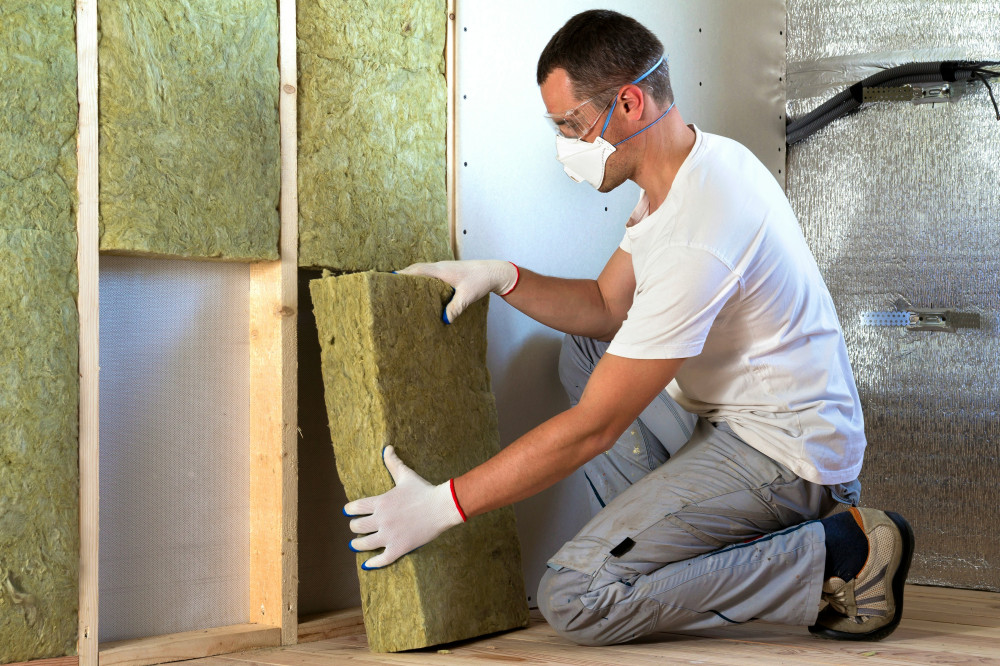
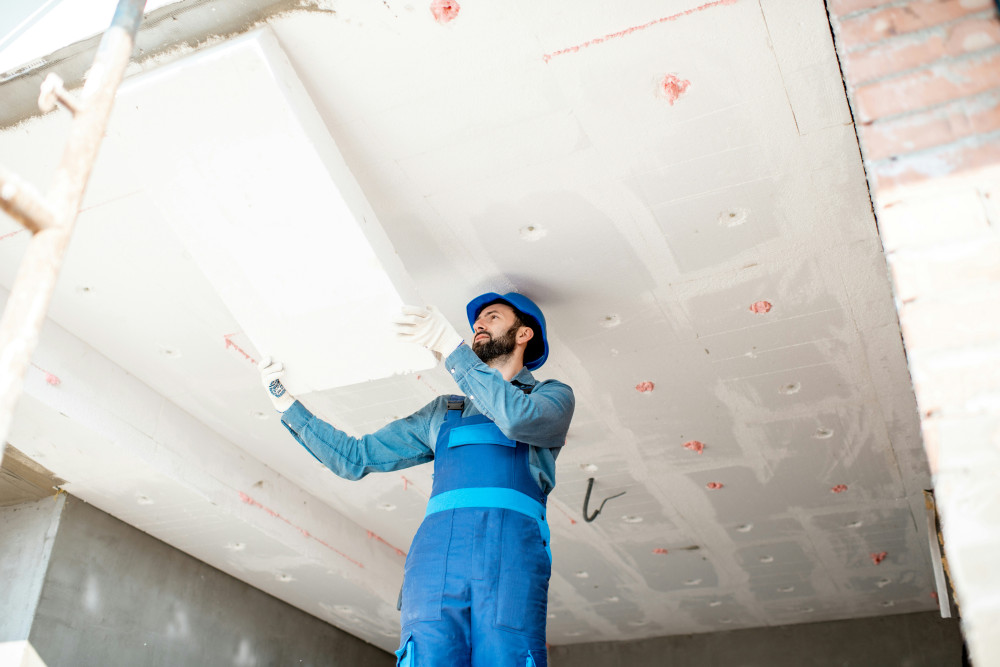
- Choose the right insulation material – options include mineral wool, rigid foam boards (PIR or EPS), or spray foam.
- Install the insulation – fix it between joists or attach it to the underside of the slab using adhesive or mechanical fasteners.
- Add a vapour barrier and finish – in humid regions, a vapour barrier prevents moisture from seeping into the insulation. You can cover the insulation with boards for a neat finish.
Advantages
- Easy access to the underside of the floor.
- No need to disturb flooring above.
- Can be done without interrupting daily life.
Disadvantages
- Requires a dry, well-ventilated basement.
- Slightly reduces ceiling height in the basement.
Insulating from a Crawl Space – A Challenge Worth Taking
Many Indian homes, especially in coastal or flood-prone areas, are built on raised foundations with crawl spaces underneath. These spaces can become damp and allow heat or humidity to enter the living area. Insulating them properly can greatly improve comfort and indoor air quality.
Insulating from below
- Clean and inspect the crawl space for dampness, pests, or mould before starting.
- Attach insulation between the floor joists using wire mesh or support boards.
- Maintain ventilation – ensure that air can still circulate to prevent moisture buildup.
Alternative: Insulating from above
If the crawl space is too tight to work in, you can insulate from above by removing the floorboards and placing insulation between the joists. This is more labour-intensive but allows for a thorough inspection of the structure.
Choosing the Right Materials
The best insulation material depends on your region’s climate, available space, and budget.
- Mineral wool (glass or rock wool) – fire-resistant, sound-absorbing, and easy to install.
- PIR or PUR boards – high insulation value with minimal thickness, ideal for limited space.
- EPS (expanded polystyrene) – affordable and moisture-resistant, suitable for concrete floors.
- Natural materials – such as coconut fibre, cellulose, or wood fibre, are eco-friendly and increasingly available in India.
Always check the material’s thermal resistance (R-value) and moisture tolerance before purchasing.
Moisture and Ventilation – Key Considerations
Moisture is the biggest risk when insulating from below. Before installation, ensure that the basement or crawl space is dry and that there is adequate ventilation. In humid regions or during the monsoon, consider adding a vapour barrier or dehumidifier.
A damp environment can lead to mould growth and structural damage, especially in wooden floors. If you are unsure about the condition of your space, consult a professional before proceeding.
Læs også:

When to Call a Professional
While small insulation projects can be done by skilled homeowners, working in basements or crawl spaces often requires experience and safety precautions. A professional insulation contractor can:
- Assess moisture and ventilation conditions.
- Recommend suitable materials for your local climate.
- Ensure proper installation and sealing.
Some Indian states and energy-efficiency programs offer incentives or rebates for home insulation improvements—check local schemes before starting your project.
A Smart Investment in Comfort and Efficiency
Insulating the floor from below is one of the most effective ways to enhance comfort and reduce energy costs in your home. With careful planning and the right materials, you can enjoy warmer floors in winter, cooler interiors in summer, and a healthier indoor environment.
Whether you choose to do it yourself or hire a professional, floor insulation is an investment that pays off—for your comfort, your wallet, and the planet.
Læs også: