Insulation in Apartments and Houses – What’s the Difference?


Insulation in Apartments and Houses – What’s the Difference?
When it comes to improving comfort and reducing energy bills, insulation is one of the most effective measures you can take. But the way you approach insulation depends greatly on whether you live in an apartment or a house. Building type, ownership, and construction all influence what’s possible – and how much control you have over the process. Here’s an overview of the key differences and considerations for Indian homeowners and apartment residents.
Different Settings – Different Possibilities
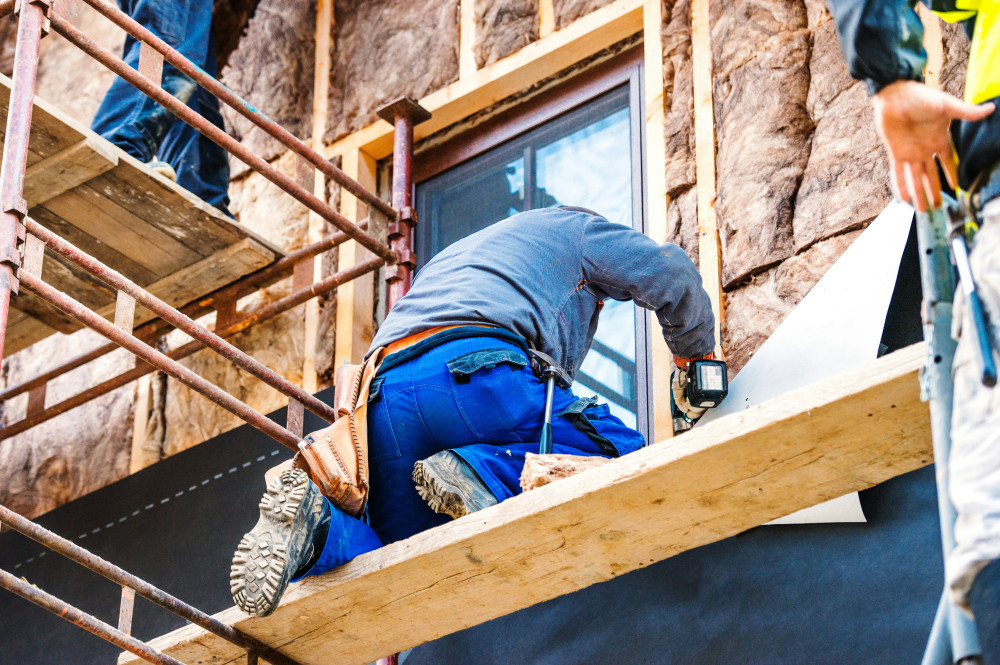
If you own a house, you have full control over the building envelope – the roof, exterior walls, floors, and windows. This means you can decide to insulate the roof, add wall insulation, or replace old windows with energy-efficient ones whenever you choose.
In an apartment, the situation is more complex. You share the building’s structure with other residents, and major changes to the exterior usually require approval from the housing society or builder. You can typically only make improvements inside your own unit – for example, adding internal wall insulation, sealing windows, or improving soundproofing between rooms.
That doesn’t mean apartment dwellers have no options, but it does require coordination and planning if the entire building is to be upgraded for better energy performance.
Types of Insulation and Technical Differences
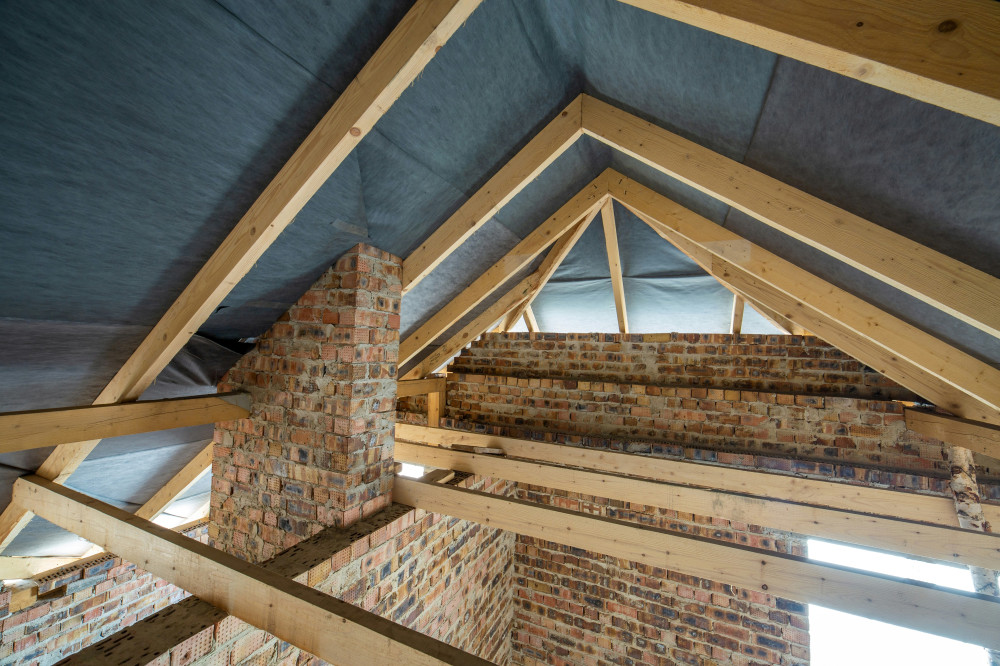
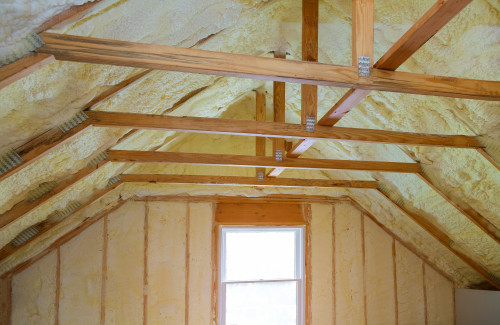
In Indian houses, especially independent ones, the most common insulation measures focus on the roof and walls. Because much of India experiences high temperatures for most of the year, roof insulation is particularly important to keep interiors cool. Materials like reflective roof coatings, polyurethane foam, or glass wool can significantly reduce heat gain. Wall insulation and double-glazed windows also help maintain indoor comfort and reduce air-conditioning costs.
In apartments, the focus is often on internal comfort and noise reduction. Common improvements include:
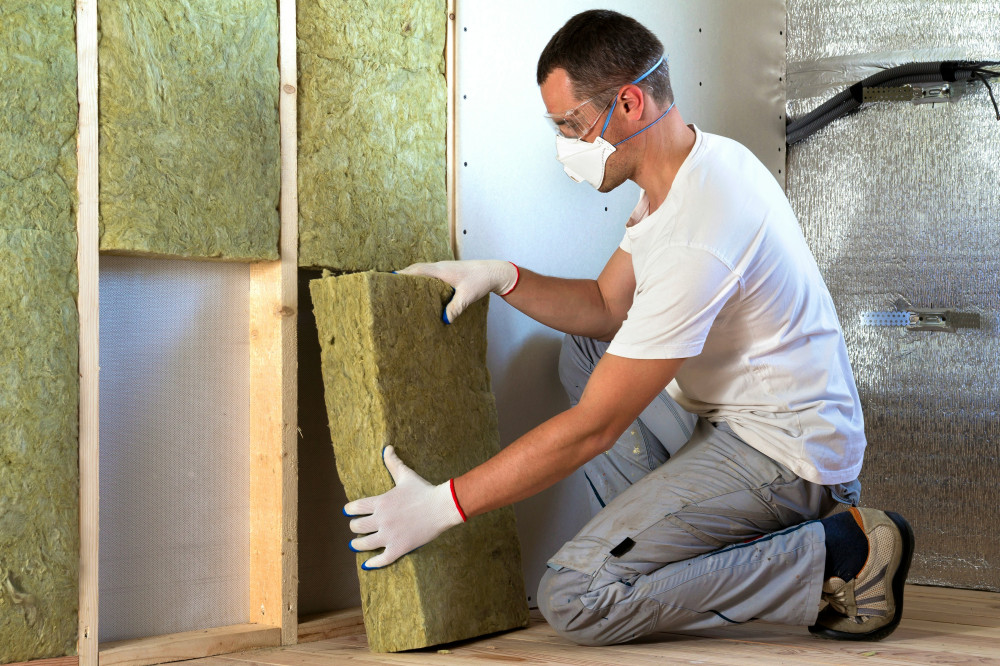
- Internal wall insulation to reduce heat transfer from sun-exposed walls.
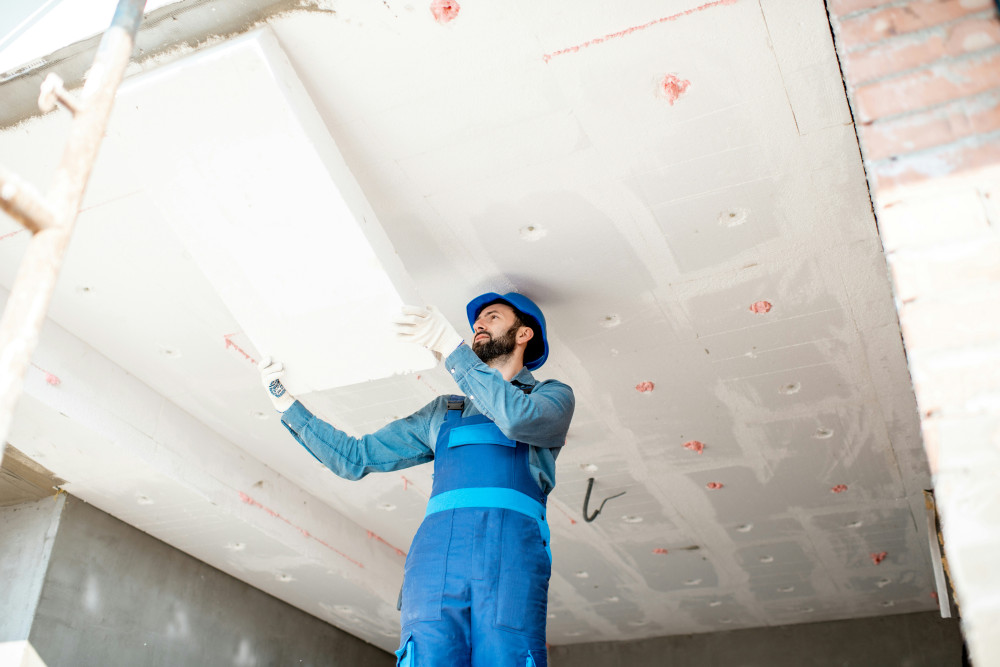
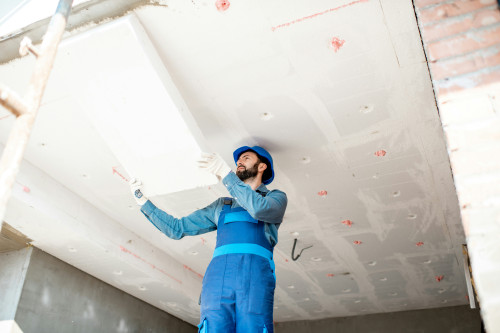
- False ceilings with insulation boards to keep rooms cooler in summer.
- Soundproof flooring or underlay to reduce noise between floors.
- Sealing gaps around windows and doors to prevent hot air and dust from entering.
Internal insulation must be done carefully to avoid moisture buildup, especially in humid regions. Using vapor barriers and breathable materials helps prevent dampness and mold.
Ownership and Cost Considerations
One of the biggest differences between houses and apartments is who pays for the insulation work. In a house, you make the decisions and bear the full cost yourself. You can choose materials, contractors, and the level of investment that suits your budget.
In an apartment, larger projects like external wall insulation or roof insulation for the entire building must be approved by the housing society. The cost is usually shared among residents, which can make big improvements more affordable but also slower to implement. For individual flats, smaller upgrades like window sealing or internal insulation can be done independently.
It’s often a good idea for housing societies to commission an energy audit. This helps identify where the building loses the most energy and which improvements will have the greatest impact. It also provides a common basis for collective decisions.
Læs også:


Comfort and Energy Savings
Insulation isn’t just about saving electricity – it’s also about comfort. A well-insulated home stays cooler in summer and warmer in winter, reducing the need for constant air-conditioning or heating. This leads to lower energy bills and a more pleasant indoor environment.
In houses, the improvement is often more noticeable because you can insulate the entire structure. In apartments, the effect may be more localized, but even small steps like reflective window films, insulated curtains, or sealing cracks can make a big difference.
Better insulation also contributes to sustainability by reducing energy consumption and carbon emissions – an increasingly important goal in India’s growing cities.
What Should You Choose?
If you live in a house, start with a professional energy assessment to identify where heat gain or loss is highest. Roof insulation is usually the most effective first step, followed by wall and window improvements.
If you live in an apartment, discuss with your housing society the possibility of collective upgrades such as roof insulation or solar-reflective paint for the building. Meanwhile, you can take individual steps inside your flat – sealing windows, insulating walls, and ensuring proper ventilation to prevent moisture.
Whether you live in a house or an apartment, insulation is an investment in comfort, savings, and sustainability. The main difference lies in how much control you have – and how you can work together with others to create a more energy-efficient home.
Læs også: