Windows Shape the Space: Light, View, and Atmosphere in the Home

Windows Shape the Space: Light, View, and Atmosphere in the Home
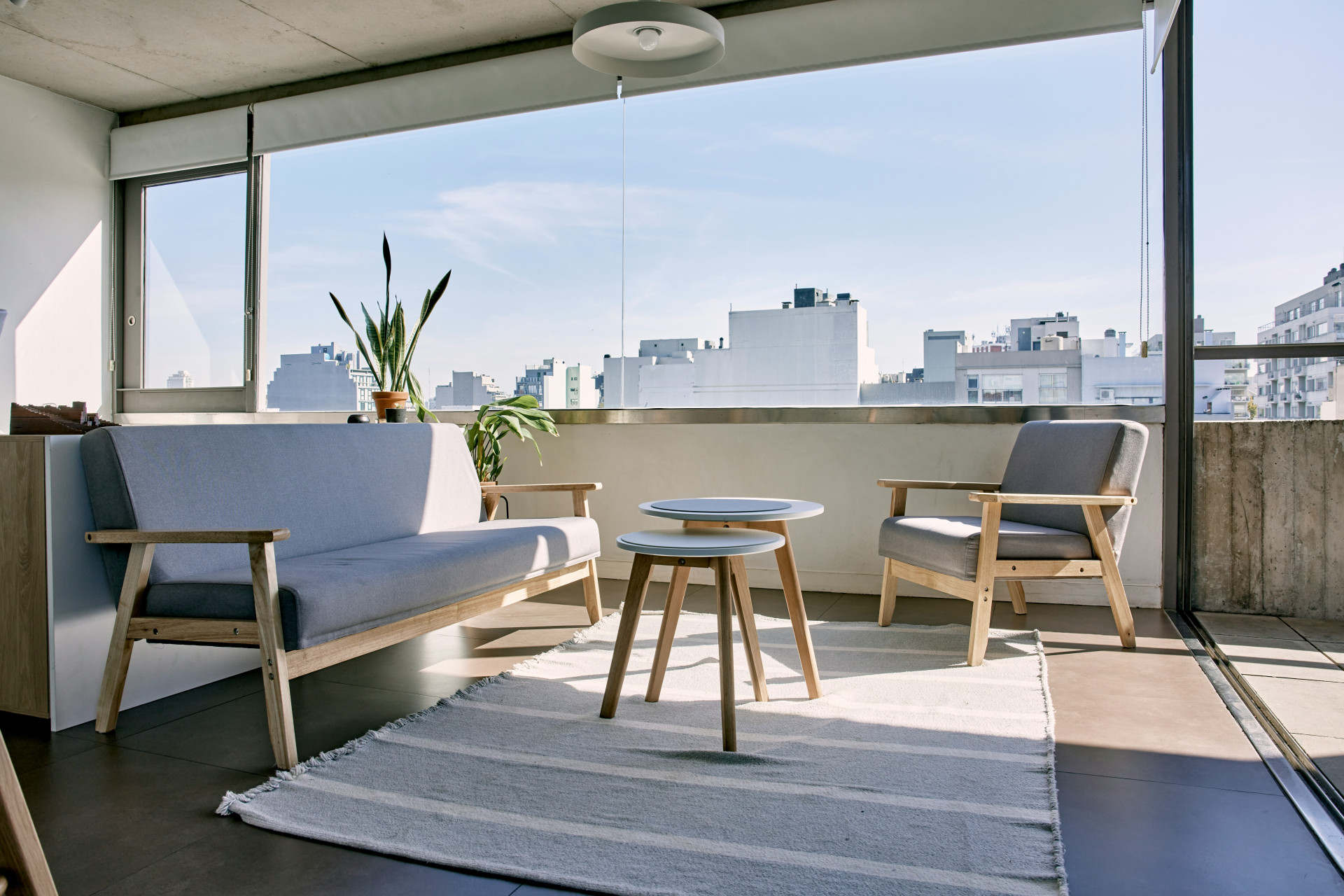
Windows are far more than openings in a wall. They are the home’s eyes to the world – and the element that most strongly defines how a space feels, functions, and connects to its surroundings. The way light enters, the view it frames, and the materials that shape it all influence the mood and comfort of a home. In this article, we explore how windows shape the space – and how you can use them as an active part of your home design.
Light as the Life of a Room
Natural light is one of the most powerful influences on our well-being. It affects our body clock, mood, and energy levels. A well-lit room feels larger, fresher, and more welcoming. Choosing the right windows is therefore not just about aesthetics – it’s about quality of life.
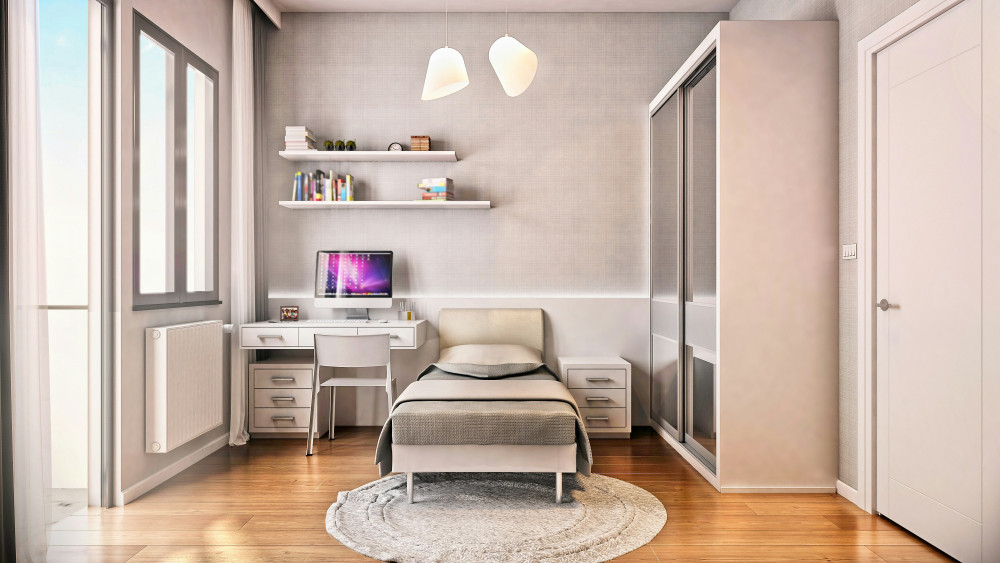
In India, where sunlight is abundant, orientation and shading are key. South- and west-facing windows bring in strong sunlight and heat, which can be pleasant in winter but overwhelming in summer. East-facing windows capture the gentle morning light, ideal for bedrooms and breakfast areas, while north-facing windows provide a softer, more consistent light that suits studies or kitchens.
Window size also matters. Large openings can flood a living room with daylight and connect it to a garden or balcony, while smaller windows in bedrooms can create a calmer, more private atmosphere. Using deep window recesses, jalis, or overhangs can help filter the light and reduce glare, keeping interiors bright yet comfortable.
View and Privacy – Finding the Right Balance
Windows connect the indoors with the outdoors. They invite nature, light, and the surrounding world inside – but they also open the home to outside eyes. The art of window design lies in balancing openness with privacy.
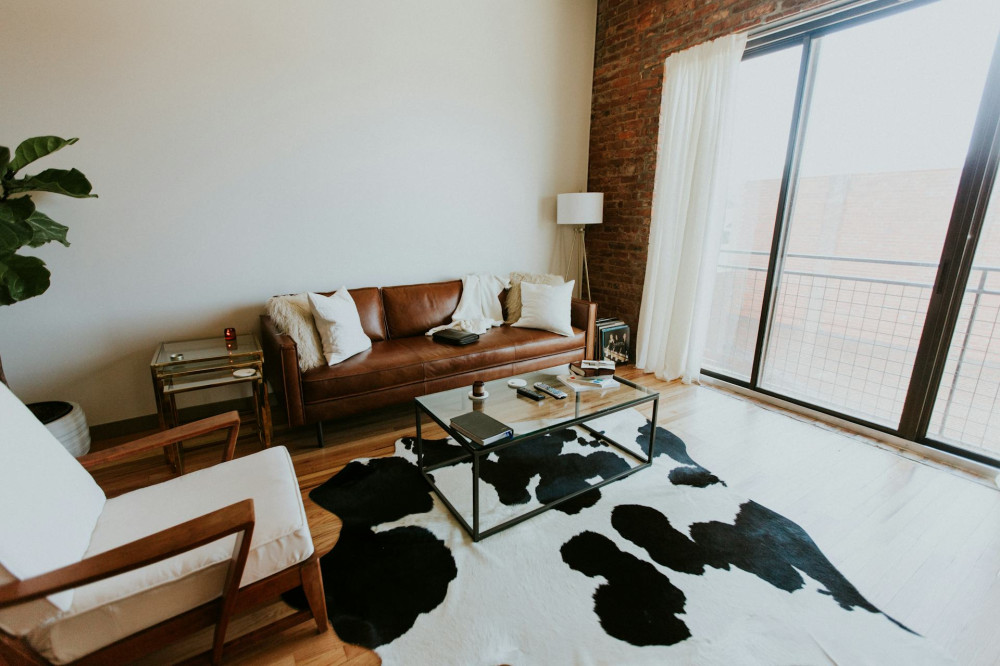
In Indian homes, where urban density often means close neighbors, privacy is a real concern. Frosted glass, patterned screens, or high-placed windows can allow light in without compromising seclusion. In living areas, large windows with sheer curtains or bamboo blinds can maintain openness while softening the view. In bathrooms or bedrooms, smaller or strategically placed windows can ensure both ventilation and discretion.
For homes facing busy streets, double glazing and acoustic glass can also help reduce noise, creating a peaceful indoor environment even in the heart of the city.
Materials and Frames – Details that Define the Look
The material of a window frame influences both its appearance and performance. Wooden frames bring warmth and a traditional charm but require regular maintenance, especially in humid or coastal regions. Aluminium frames are sleek, durable, and low-maintenance, making them popular in modern Indian homes. uPVC windows offer good insulation and are cost-effective, while combinations of wood and aluminium provide the best of both worlds – natural beauty inside and weather resistance outside.
Colour also plays a role. White or light-coloured frames reflect light and create a clean, airy look, while darker tones add contrast and depth, especially in contemporary interiors with large glass panels.
Energy and Comfort – Windows as Climate Control
In India’s diverse climate, from the dry heat of Rajasthan to the humidity of Kerala, windows play a crucial role in maintaining comfort. Modern glazing technologies can help regulate temperature and reduce energy use. Double-glazed or low-emissivity glass keeps interiors cooler in summer and warmer in winter. Solar-control films or tinted glass can reduce glare and heat gain without blocking natural light.
Proper sealing and quality installation prevent air leaks and dust infiltration – a common issue in urban areas. When chosen wisely, windows can significantly lower the need for artificial cooling and lighting, making your home more sustainable and comfortable year-round.
Læs også:


Architecture and Atmosphere – The Window as a Design Element
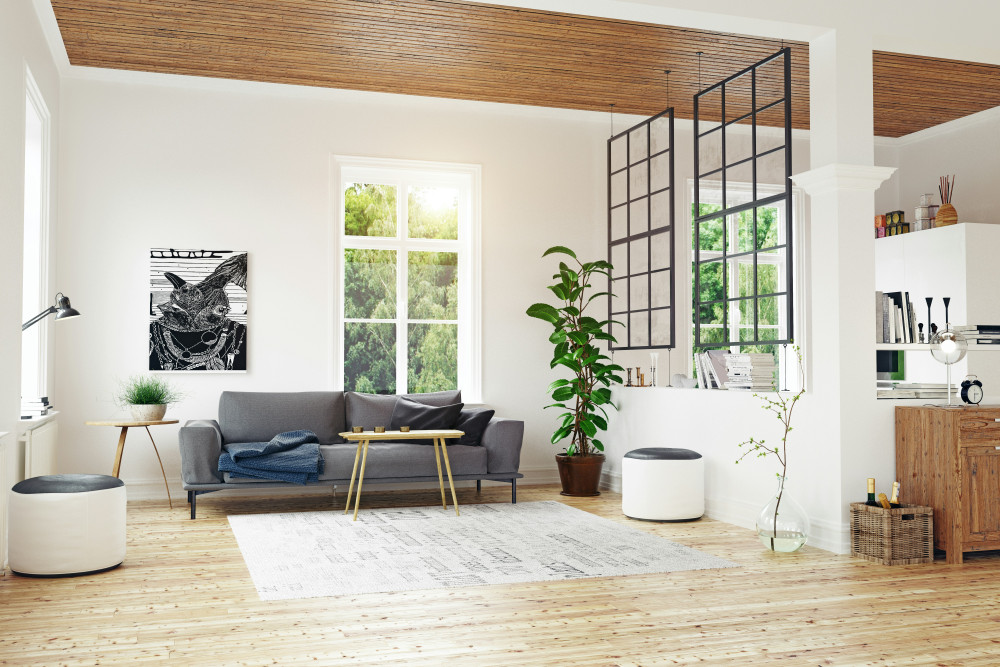
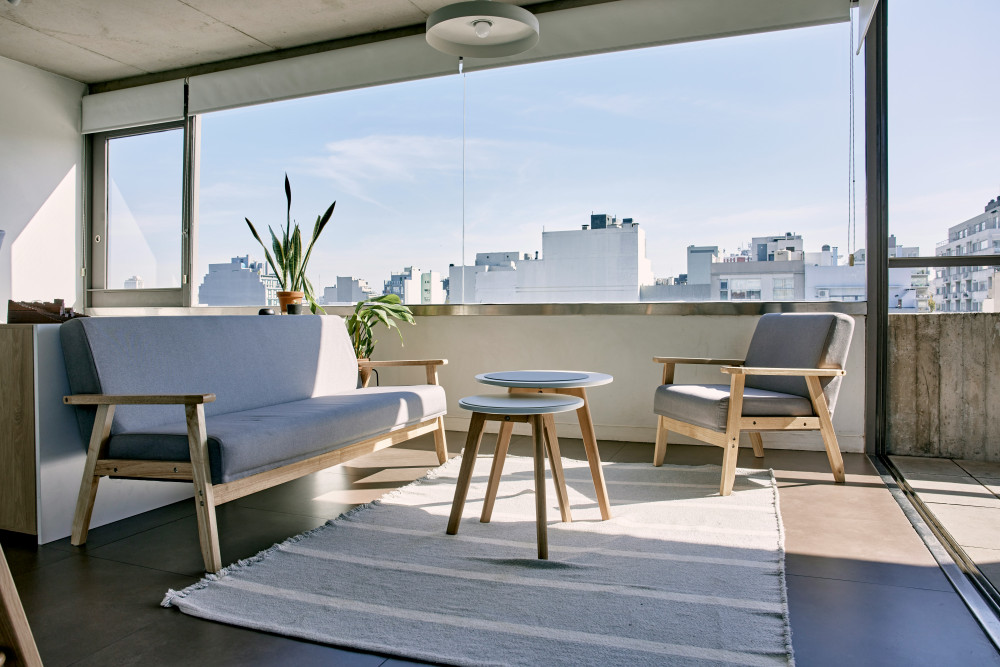
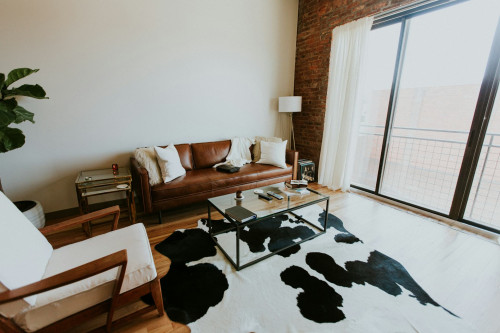
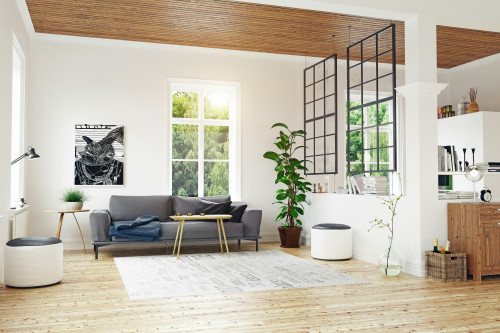
Windows are powerful architectural tools. A tall, narrow window can emphasize height and elegance, while a wide, horizontal one can make a room feel more expansive. Arched or circular windows add character and a touch of tradition, often seen in heritage or colonial-style homes. In modern architecture, large glass façades blur the boundary between indoors and outdoors, creating a sense of openness and connection to nature.
In older Indian homes, jaali screens and verandas served as natural filters for light and air – a concept that still inspires contemporary design. Combining traditional wisdom with modern materials can result in spaces that are both beautiful and climate-responsive.
Acoustics and atmosphere also depend on window design. Large glass surfaces can make a room echo, but soft furnishings, rugs, and curtains can balance the sound and add warmth.
When Light Becomes Part of the Décor
Working consciously with light and windows is a way to shape the atmosphere of your home. Let sunlight highlight textures, colours, and materials. A window that catches the morning sun can become a favourite spot for tea or meditation, while a west-facing one can bathe the living room in golden light at sunset.
Observe how light moves through your home during the day and how it interacts with each space. By designing with light in mind, windows become more than functional openings – they become an integral part of your home’s soul, shaping not just how it looks, but how it feels to live in.
Læs også: