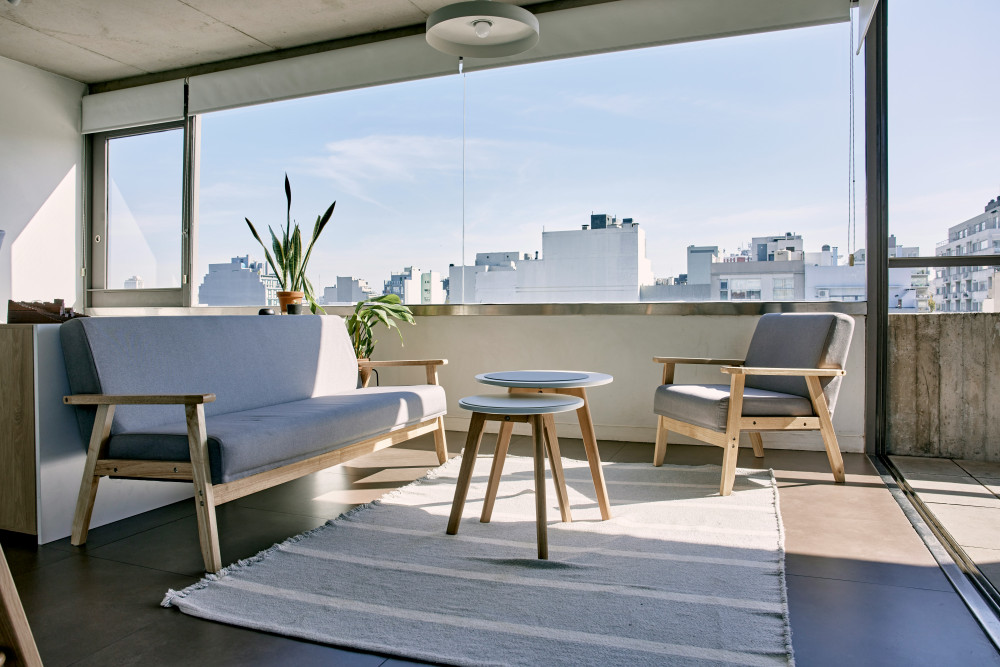
Create Harmony in Material Choices – from Facade to Interior

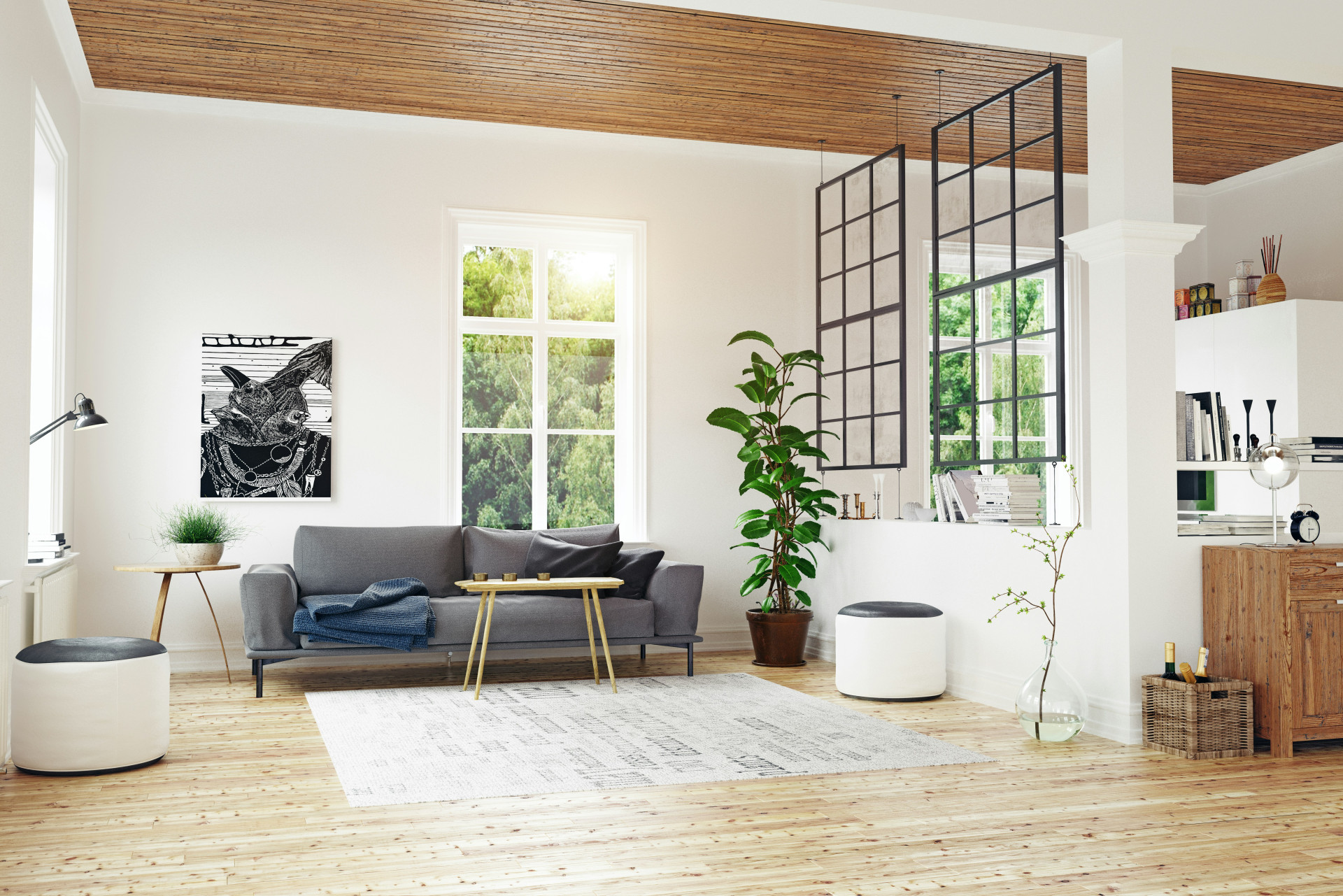
Create Harmony in Material Choices – from Facade to Interior
When designing or renovating a home, it’s not just about how it looks or how it functions – it’s about creating a sense of unity. The materials you choose for the facade, roof, and interiors together tell the story of your home. A harmonious material palette can connect architecture and interior design, making the house feel complete – both from the outside and within.
Here’s how you can think holistically when selecting materials – from facade to interior – with inspiration tailored to Indian homes and climates.
Begin with the Whole, Not the Detail
It’s easy to fall in love with individual materials – a beautiful sandstone, a polished marble floor, or a handcrafted tile. But if you start with details, the overall composition can become disjointed.
Instead, begin by defining the overall character of your home. Should it feel contemporary and minimal, traditional and warm, or natural and earthy? Once you have a clear direction, it becomes easier to choose materials that complement each other in tone, texture, and mood.
A practical tip: gather samples – stone, wood, tiles, fabrics, and paint swatches – and view them together in natural daylight. This helps you see how they interact and ensures a cohesive look.
The Facade Sets the Tone
The facade is the home’s first impression and establishes its architectural identity. In India, where climate and maintenance are key considerations, the choice of facade material should balance aesthetics with performance.
- Natural stone such as sandstone, granite, or laterite offers durability and timeless appeal. It also helps regulate temperature in hot climates.
- Brick provides a classic, earthy look and works beautifully in both traditional and modern designs.
- Plaster and lime finishes create a clean, elegant surface and can be tinted in subtle shades to reflect regional character.
- Metal or terracotta cladding adds a contemporary edge and can be used selectively for accent walls or shading elements.
When choosing facade materials, think about how their colors and textures can be echoed inside – perhaps through flooring, wall finishes, or furniture details.
Blurring the Line Between Outdoors and Indoors
A truly harmonious home allows the transition between outside and inside to feel seamless. This can be achieved by repeating materials or colors across boundaries.
A stone floor that continues from the veranda into the living room, or wooden screens that frame both exterior and interior spaces, create visual continuity. Courtyards, balconies, and large windows that open to gardens also strengthen the connection with nature – an important aspect of Indian living.
Even small details like door handles, window frames, or lighting fixtures can help tie the spaces together.
Interior Materials – Balancing Function and Atmosphere
Inside the home, materials must balance beauty with practicality. Floors, walls, and ceilings should withstand daily use while contributing to the desired ambiance.
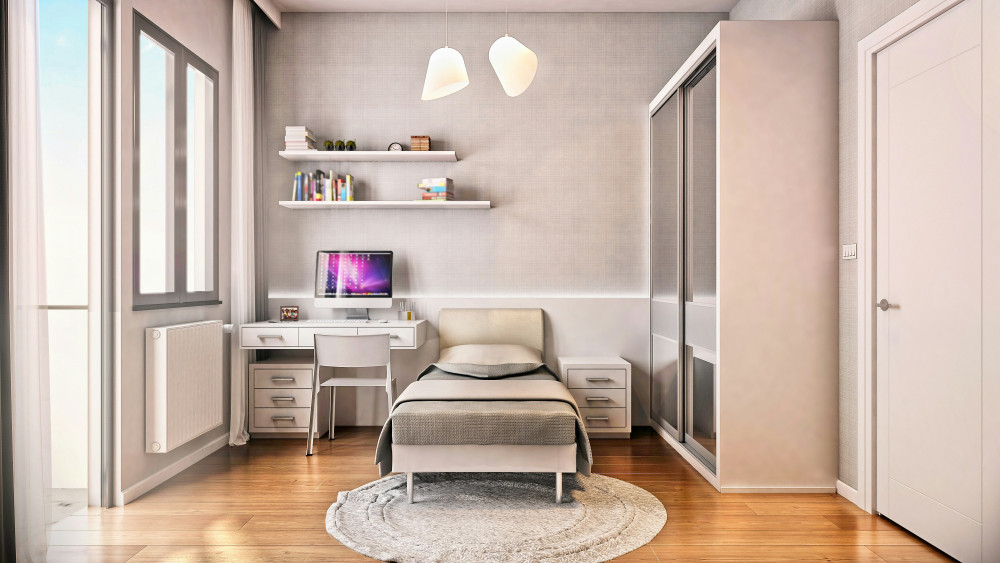
- Wooden or bamboo flooring adds warmth and comfort, ideal for bedrooms and living areas.
- Tiles and natural stone such as marble, kota, or terrazzo are durable and well-suited for kitchens and bathrooms.
- Cement or oxide finishes offer a minimalist, handcrafted look and stay cool in warm weather.
- Sustainable options like cork, recycled tiles, or eco-friendly paints can enhance both comfort and conscience.
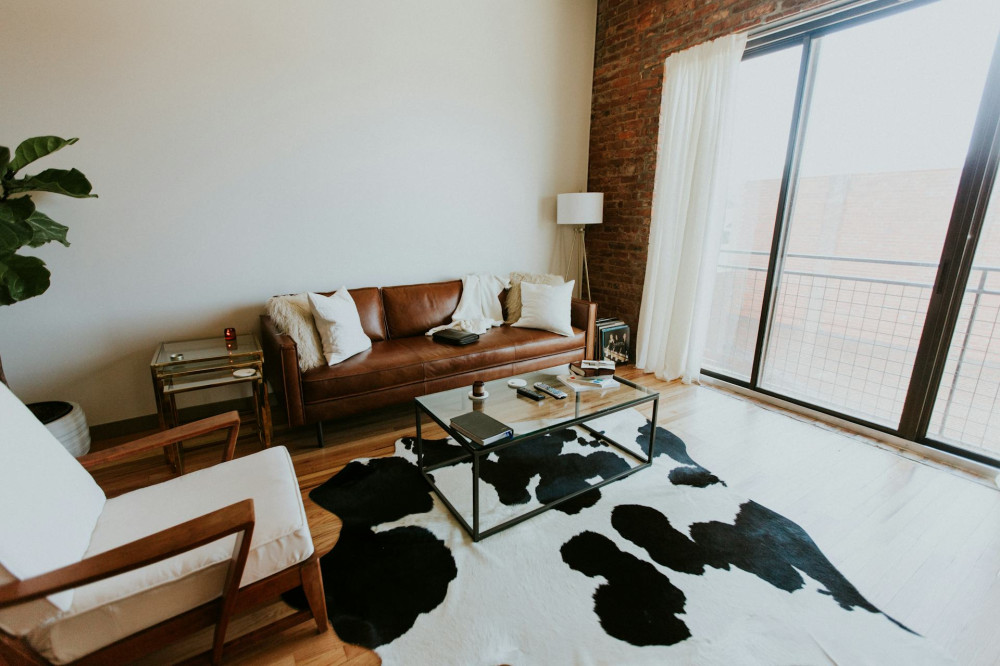
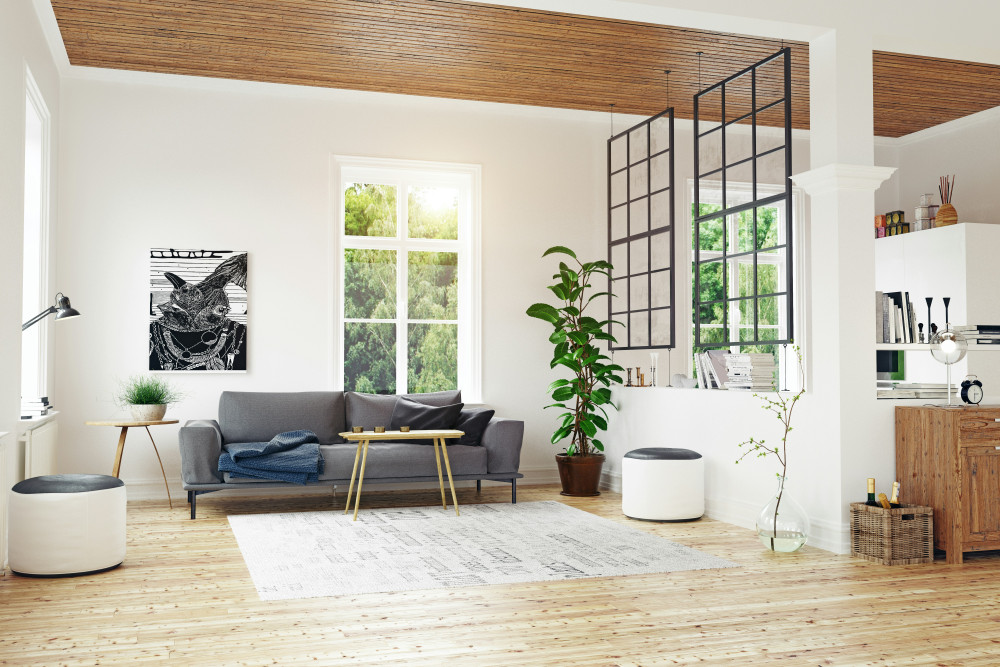
Choose materials that resonate with the facade’s expression. A home with exposed brick and metal details might pair well with rustic wood and neutral fabrics, while a smooth plastered exterior could be complemented by light woods and soft, airy interiors.
Colors and Textures as Connectors
Color and texture are the invisible threads that tie spaces together. Repeat tones from the exterior in subtle ways indoors – perhaps through wall paint, upholstery, or decorative accents.
Matte and textured surfaces create a natural, grounded feel, while glossy finishes bring lightness and modernity. A thoughtful mix of both adds depth and interest without breaking harmony.
In India’s bright light, earthy neutrals, muted pastels, and natural materials often work best to create calm, inviting spaces.
Think Sustainably – Beauty with Responsibility
Harmony in materials is not only about visual balance but also about environmental responsibility. Choose materials that are durable, locally sourced, and easy to maintain.
Natural materials like clay, stone, and wood age gracefully and can often be reused or recycled. Using local craftsmanship and regionally available materials reduces your carbon footprint and supports traditional skills – adding authenticity and soul to your home.
Læs også:


The Whole Makes the Difference
When materials speak the same design language, the result is a home that feels balanced and complete. A thoughtful combination of facade, flooring, finishes, and details creates a sense of calm and coherence that enhances everyday living.
It takes planning and intention, but the reward is a home that not only looks beautiful but feels right – a space where architecture and interior design exist in perfect harmony.
Læs også: