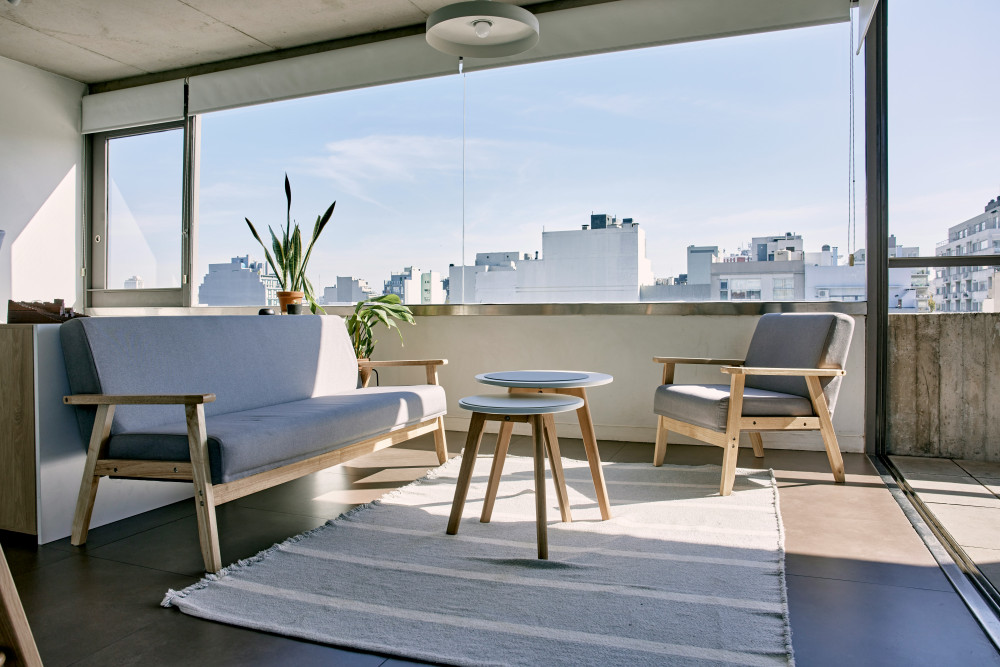
The Ceiling’s Expression: Wood, Plaster or Metal – Which Suits Your Home Best?


The Ceiling’s Expression: Wood, Plaster or Metal – Which Suits Your Home Best?
In Indian homes, the ceiling is often treated as a blank canvas — painted white and forgotten. Yet, it plays a vital role in defining the mood, comfort, and even the temperature of a room. Whether you live in a humid coastal city, a dry northern region, or a bustling metro apartment, the choice of ceiling material can make a big difference. Here’s a look at three popular options — wood, plaster, and metal — and how each can transform your home.
Wooden Ceilings – Warm, Natural and Timeless
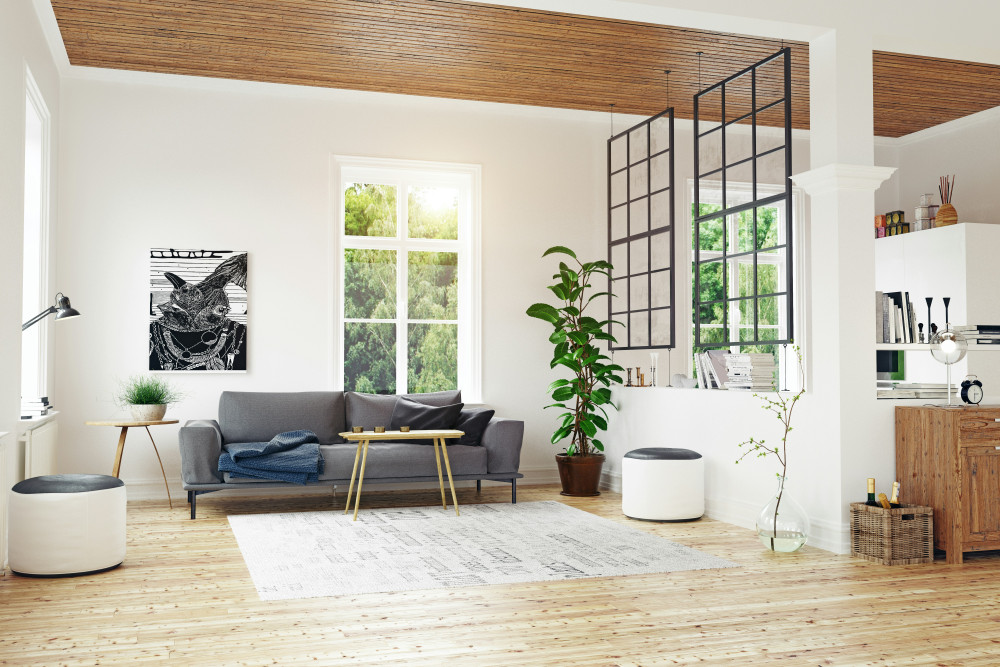
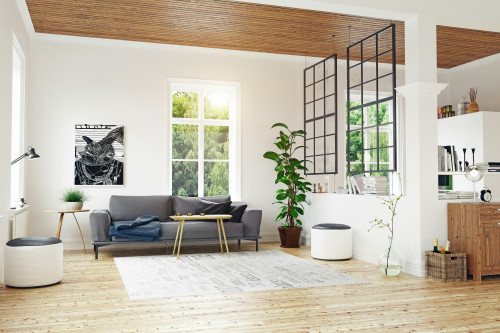
A wooden ceiling brings warmth and elegance to any space. From traditional teak and rosewood panels to modern pine or oak finishes, wood adds a natural charm that suits both heritage homes and contemporary interiors. In India, wooden ceilings are often used in living rooms, bedrooms, or verandas to create a cozy, earthy atmosphere.
Advantages:
- Adds a rich, natural texture and warmth.
- Improves acoustics by absorbing sound.
- Can be polished, stained, or painted to match your décor.
Disadvantages:
- Sensitive to humidity and termites if not treated properly.
- Requires regular maintenance and polishing.
- Can be expensive compared to other materials.
Wooden ceilings are ideal for those who appreciate craftsmanship and natural materials. In humid regions like Kerala or Goa, ensure proper sealing and ventilation to prevent warping or mold.
Læs også:


Plaster Ceilings – Versatile and Modern
Plaster ceilings, often made from gypsum boards, are the most common choice in modern Indian homes. They offer a smooth, seamless finish and can be shaped into various designs — from simple flat surfaces to intricate false ceilings with recessed lighting.
Advantages:
- Clean, uniform look that suits all interior styles.
- Easy to paint and repair.
- Allows for concealed wiring, lighting, and air-conditioning ducts.
- Fire-resistant and provides some insulation.
Disadvantages:
- Can crack if the building settles or expands.
- Not ideal for areas with high moisture unless moisture-resistant boards are used.
- Needs skilled installation for a perfect finish.
A plaster ceiling is perfect for apartments and urban homes where flexibility and modern aesthetics are key. It’s also a great way to integrate LED lighting or ceiling fans without visible wiring.
Metal Ceilings – Durable and Contemporary
Metal ceilings, made from aluminium or steel panels, are gaining popularity in India’s modern architecture. They are especially useful in kitchens, bathrooms, and commercial spaces where durability and hygiene are priorities.
Advantages:
- Highly resistant to moisture, heat, and pests.
- Low maintenance and long-lasting.
- Reflects light, making rooms appear brighter.
- Available in various finishes — matte, brushed, or perforated.
Disadvantages:
- Can feel cold or industrial in residential spaces.
- More expensive than plaster.
- May create echo if not combined with sound-absorbing materials.
Metal ceilings are ideal for contemporary homes or spaces that demand easy cleaning and resilience — for example, modular kitchens or utility areas.
Choosing the Right Ceiling for Your Home
Your choice depends on your home’s style, climate, and budget.
- For living rooms and bedrooms: Wood adds warmth and character.
- For kitchens and bathrooms: Plaster or metal works better against moisture.
- For modern apartments: Plaster offers flexibility and a sleek look.
- For traditional or rustic homes: Wood complements natural materials like stone and terracotta.
Also consider ceiling height and room size. A dark wooden ceiling can make a small room feel cozy but may reduce the sense of space, while a light plaster ceiling can make a compact apartment feel airy and open.
The Perfect Balance
There’s no single “best” ceiling material — the right choice balances beauty, practicality, and maintenance. Many homeowners now mix materials, such as combining a plaster ceiling with wooden beams or adding metal panels in functional zones. With thoughtful design, your ceiling can become more than just a surface — it can express the personality and comfort of your home.
Læs også: