Silence Underfoot: Choosing the Right Flooring for a Peaceful Acoustic Environment


Silence Underfoot: Choosing the Right Flooring for a Peaceful Acoustic Environment
A calm home is one where sound feels balanced — not echoing, not muffled, but comfortably quiet. Yet, few people realize how much the floor contributes to that sense of peace. The material beneath your feet doesn’t just affect how your home looks or wears over time; it also shapes how sound travels through your rooms. Here’s a guide to choosing flooring that helps create a serene acoustic environment, tailored to Indian homes and lifestyles.
Why Flooring Matters for Acoustics
Sound behaves differently depending on the surfaces it meets. Hard materials like ceramic tiles, marble, or granite reflect sound, while softer materials such as vinyl, cork, or carpet absorb it. Because the floor covers such a large area, it plays a major role in how much noise you experience day to day — from footsteps to echoes.
Good acoustics are about balance. A room that’s too “dead” can feel heavy, while one with too much reverberation can be tiring. The right flooring helps you find that middle ground.
Læs også:


Footfall Noise and Echo – Two Common Challenges
When it comes to sound in the home, two main issues are influenced by flooring:
- Footfall noise – the sound created when you walk, which can travel through the structure and be heard in other rooms or floors.
- Echo and reverberation – the sound that bounces around within a room when you talk, move, or play music.
In Indian homes, where multi-storey apartments and open-plan living areas are common, both types of noise can be noticeable. Choosing the right flooring can make a big difference.
Flooring Options for Better Sound Comfort
There are many flooring materials available in India, but some perform better acoustically than others. Here’s an overview of popular choices:
Wooden Flooring
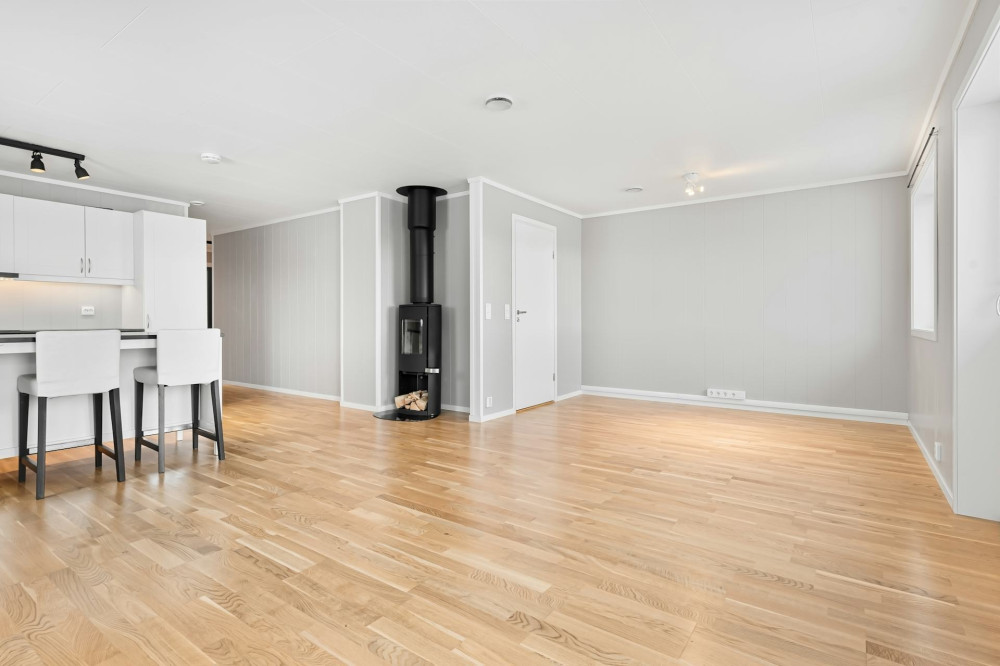
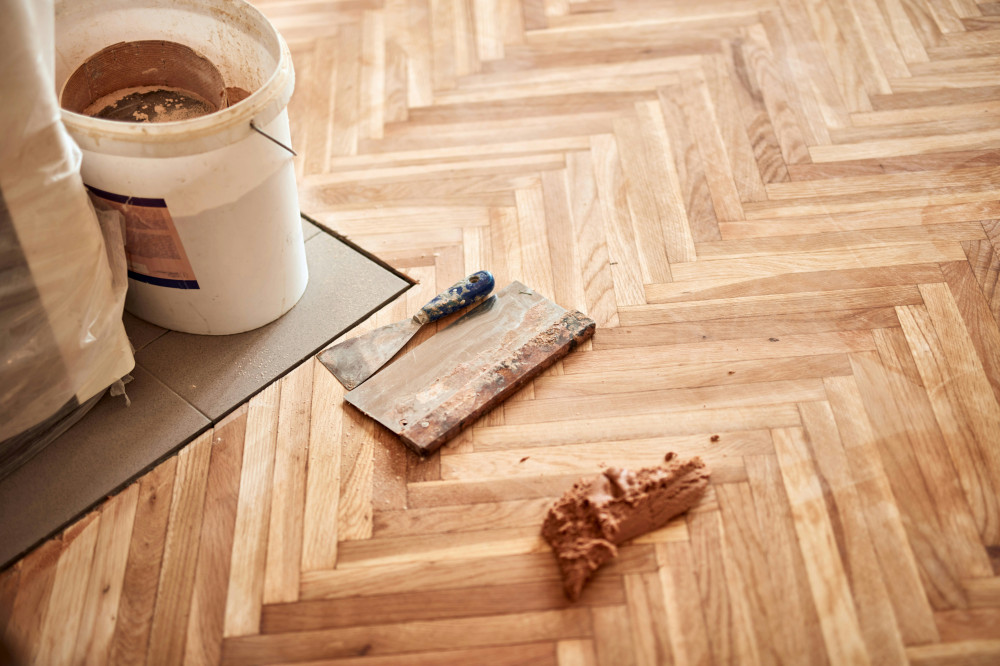
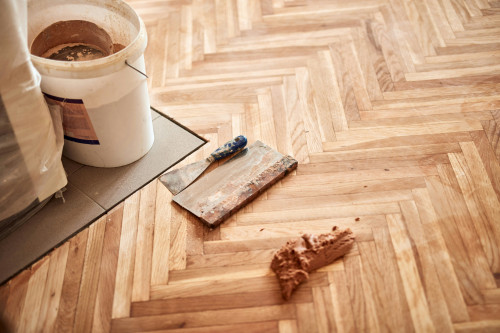
Engineered wood and laminate floors bring warmth and a natural aesthetic. Wood has a slight elasticity that softens sound, though it can still transmit footfall noise if installed directly on concrete. Using an acoustic underlay can significantly reduce this problem. Wooden flooring is especially popular in bedrooms and living areas in urban apartments.
Vinyl and Linoleum
Vinyl flooring has become a favourite in Indian homes for its durability, easy maintenance, and wide range of designs. It’s also excellent for sound absorption, making it ideal for family rooms or children’s bedrooms. Linoleum, made from natural materials, offers similar benefits with an eco-friendly edge.
Cork
Cork is one of the best materials for sound insulation. It absorbs both impact noise and echo, while feeling soft and warm underfoot — a welcome feature in cooler regions like the hills or northern India. It’s also a sustainable choice, as cork is harvested without cutting down trees.
Carpets and Rugs
Carpets remain the most effective way to reduce noise. They absorb sound across all frequencies and instantly make a room feel quieter. Wall-to-wall carpeting may not suit India’s humid or dusty climates, but area rugs are a practical alternative. They can be easily cleaned or replaced and are perfect for bedrooms and living spaces.
Tiles and Stone
Tiles, marble, and granite are staples in Indian homes for their durability and cooling effect — especially in hot climates. However, they reflect sound strongly, which can make rooms feel echoey. To counter this, add soft furnishings like curtains, cushions, and rugs to absorb excess sound.
The Underlay – Hidden Soundproofing
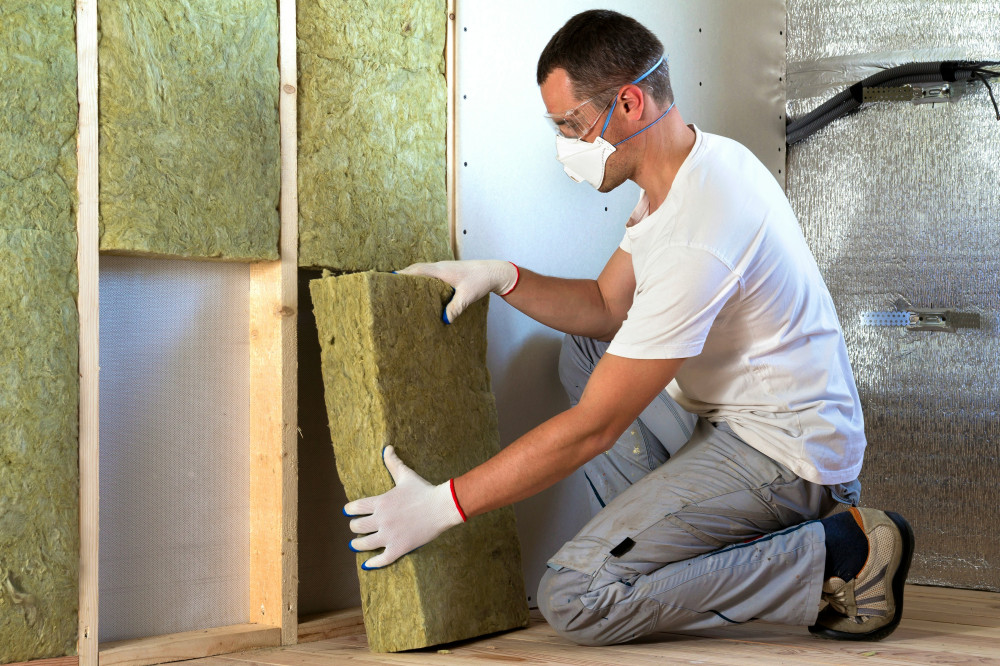
Even the best flooring can be noisy if the underlay isn’t right. Acoustic underlays made from foam, felt, cork, or rubber can reduce impact noise by several decibels. In apartment buildings, this can prevent sound from travelling between floors. When renovating, it’s worth investing in a quality underlay suited to your flooring type and building structure.
Room-by-Room Recommendations
- Living Room: Choose a floor that balances style and comfort, such as engineered wood, vinyl, or cork. Add rugs to soften sound further.
- Bedroom: Prioritize quiet and comfort. Carpets or cork flooring create a peaceful, cozy atmosphere.
- Kitchen and Entryway: Durability is key, but vinyl or linoleum can provide both resilience and sound absorption.
- Bathroom: Tiles are unavoidable here, but you can reduce echo with bath mats, curtains, and soft accessories.
Small Changes, Big Difference
If replacing your flooring isn’t an option, you can still improve acoustics. Add rugs, curtains, upholstered furniture, or wall panels to absorb sound. Even indoor plants and bookshelves help break up sound waves and make a room feel calmer.
A Peaceful Home Starts from the Ground Up
A quiet home isn’t just about comfort — it supports focus, relaxation, and well-being. By choosing the right flooring and paying attention to acoustics from the start, you can create a space where silence feels natural. It doesn’t have to be the most expensive choice, just the most thoughtful one.
Læs også: