From Craftsmanship to Design: The Influence of Traditions on Modern Flooring

From Craftsmanship to Design: The Influence of Traditions on Modern Flooring
Floors are more than just surfaces we walk on. They form the foundation of a room’s character, atmosphere, and function – a place where tradition and innovation meet. In India, where craftsmanship has always been deeply rooted in culture, modern flooring design continues to draw inspiration from centuries-old techniques and materials. From hand-polished stone to intricate tile patterns and eco-friendly alternatives, the legacy of traditional craftsmanship lives on in contemporary interiors.
The Heritage of Craftsmanship in Modern Materials
Historically, Indian flooring was a reflection of local resources and artisanal skill. Craftsmen worked with natural materials such as stone, clay, and wood, shaping them with precision and care. This respect for material and process is being rediscovered today, as designers and homeowners seek authenticity and sustainability in their spaces.
Take, for example, the timeless appeal of natural stone. Kota stone from Rajasthan, black granite from Tamil Nadu, and marble from Makrana have long been prized for their durability and beauty. Today, these materials are being reinterpreted with modern finishes and treatments that enhance their natural texture while improving performance and maintenance. Similarly, traditional terracotta tiles, once handmade in rural kilns, are now produced with updated techniques that preserve their earthy charm while meeting modern standards.
Patterns and Traditions Making a Comeback
Many of the patterns we now associate with modern design have deep roots in traditional Indian craftsmanship. The geometric motifs of Athangudi tiles from Chettinad, the intricate inlay work of Mughal-era marble floors, and the rhythmic symmetry of mosaic patterns all tell stories of regional artistry and cultural identity.
These designs are finding new life in contemporary homes and commercial spaces. Designers are combining traditional motifs with minimalist interiors, creating a dialogue between heritage and modernity. The result is flooring that feels both timeless and fresh – a visual reminder of India’s layered design history.
Sustainability as a Modern Form of Craftsmanship
Sustainability, a key concern in today’s design world, is not a new concept in Indian craftsmanship. Traditionally, materials were used thoughtfully, waste was minimized, and local sourcing was the norm. This philosophy is returning in the form of eco-conscious flooring solutions that blend traditional wisdom with modern innovation.
Bamboo, coir, and reclaimed wood are gaining popularity as renewable and durable materials. Handcrafted cement tiles, made using age-old pressing techniques, are being revived for their low environmental impact and artisanal quality. These approaches not only reduce waste but also support local craftspeople and small-scale industries.
Design That Tells a Story
A floor can be a design statement, but it can also be a narrative – a reflection of place, culture, and craftsmanship. In India’s diverse design landscape, flooring often serves as a bridge between the past and the present. Whether it’s a hand-laid mosaic in a heritage home or a modern apartment featuring traditional tile patterns, each surface carries a story of skill and identity.
Choosing flooring with traditional roots is also a way of preserving cultural heritage. It connects us to the artisans who shaped these techniques and to the communities that continue to sustain them. In this sense, every floor becomes a living piece of history beneath our feet.
Læs også:

From Workshop to Home
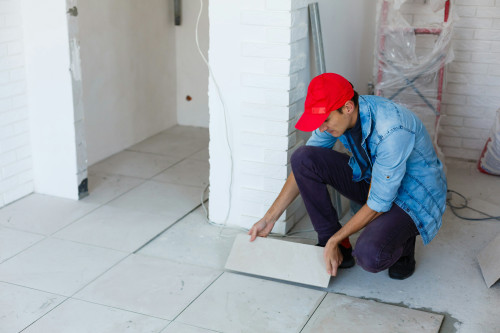
Even as industrial production dominates the market, there is a growing appreciation for the handmade. Many flooring brands in India now collaborate with local artisans to incorporate handcrafted details – from hand-textured wood to custom-dyed tiles. This blend of technology and tradition ensures that modern floors retain the warmth and individuality that only human touch can provide.
The result is flooring that is not only functional and beautiful but also meaningful – a product of both innovation and heritage.
Tradition as Inspiration for the Future
When we talk about modern flooring today, we are also talking about values – respect for materials, appreciation for craftsmanship, and a desire for sustainability. India’s rich design traditions remind us that true quality takes time and that every material has a story worth honoring. By building on the wisdom of the past, we can create floors that are not only stylish and durable but also deeply connected to the cultural fabric of the present and the future.
Læs også: