Roofing Choices with Care: Balancing Aesthetics, Function, and Maintenance

Roofing Choices with Care: Balancing Aesthetics, Function, and Maintenance
A roof is one of the most defining and essential parts of any home – both visually and functionally. It shields the house from heat, rain, and dust, influences energy efficiency, and plays a major role in the overall look of the building. Choosing the right roofing material is therefore not just a matter of style, but also of durability, maintenance, and long-term value. Here’s how to find the right balance between aesthetics, function, and practicality when selecting a roof for your Indian home.
Aesthetics: The Roof as a Statement
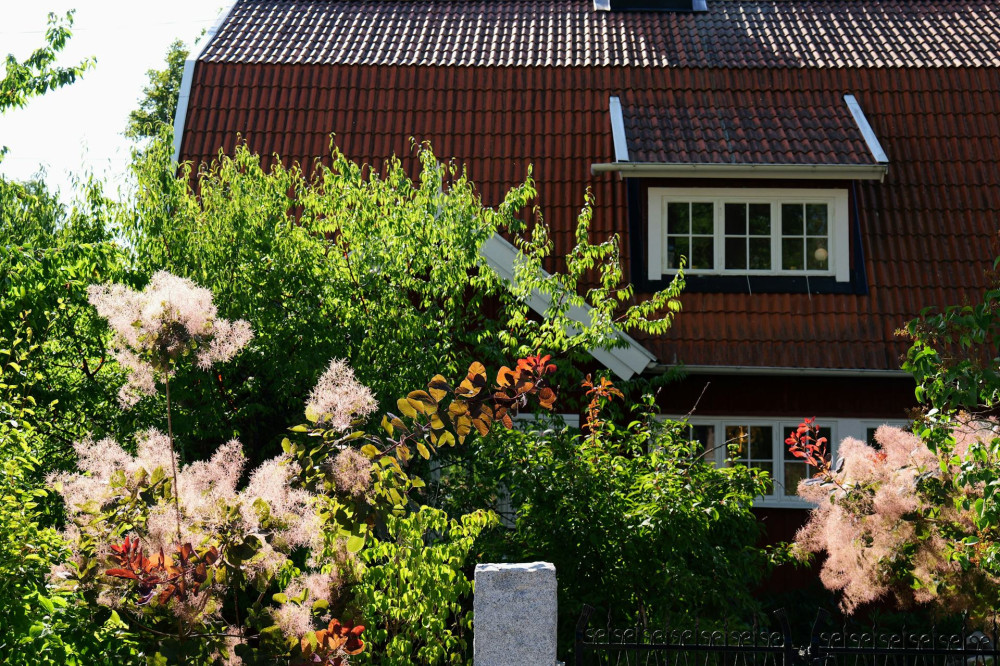
In India’s diverse architectural landscape, the roof often sets the tone for a home’s character. A sloping clay-tile roof evokes the charm of traditional South Indian homes, while sleek metal or concrete roofs suit modern urban designs. In hilly regions, slate or stone roofs blend beautifully with the natural surroundings, while in coastal areas, lighter colours and materials help reflect sunlight and resist corrosion.
When choosing a roof, consider the architectural style of your home and the local environment. A colonial-style bungalow may look best with terracotta tiles, while a contemporary villa might benefit from flat concrete slabs or metal sheets. Local building regulations and housing society guidelines may also influence your choice of colour and material, so it’s wise to check these before making a decision.
Function: Built for the Climate
A roof must do more than look good – it must perform well under India’s varied and often extreme weather conditions. From the heavy monsoon rains in Kerala to the scorching summers in Rajasthan and the humidity of Mumbai, the right material can make a big difference in comfort and longevity.
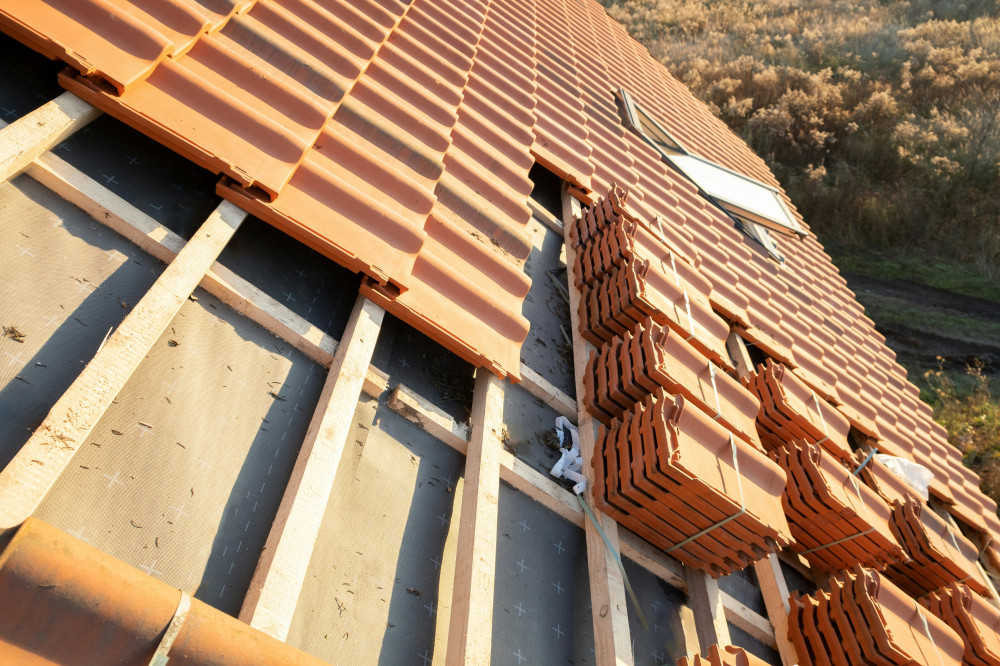
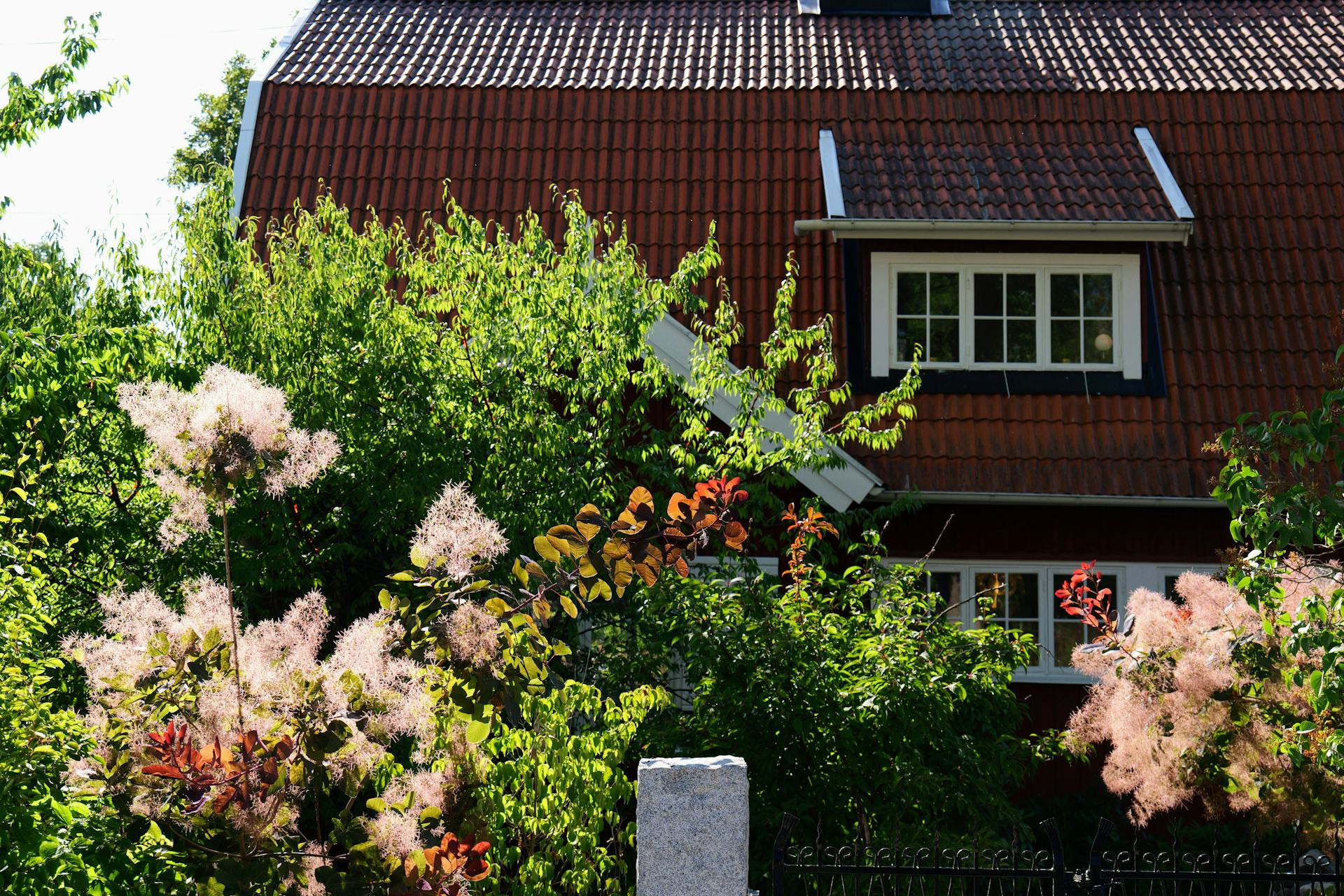
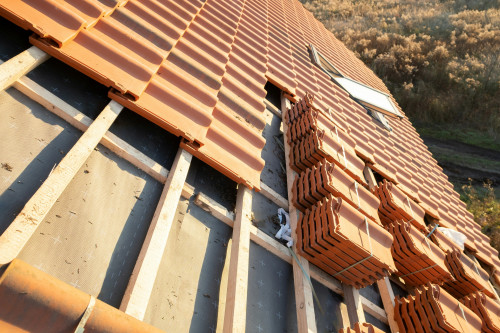
- Clay and terracotta tiles are traditional and naturally insulating, keeping interiors cooler in hot weather. However, they require proper installation to prevent leaks during monsoon.
- Concrete tiles and slabs are durable and cost-effective, ideal for flat roofs that can double as terraces or utility spaces.
- Metal sheets (such as aluminium or galvanised steel) are lightweight and quick to install, but they can heat up quickly unless insulated properly.
- Asphalt or bitumen sheets are flexible and suitable for low-slope roofs, though they may need periodic maintenance.
- Slate or stone tiles are long-lasting and elegant, but heavier and more expensive.
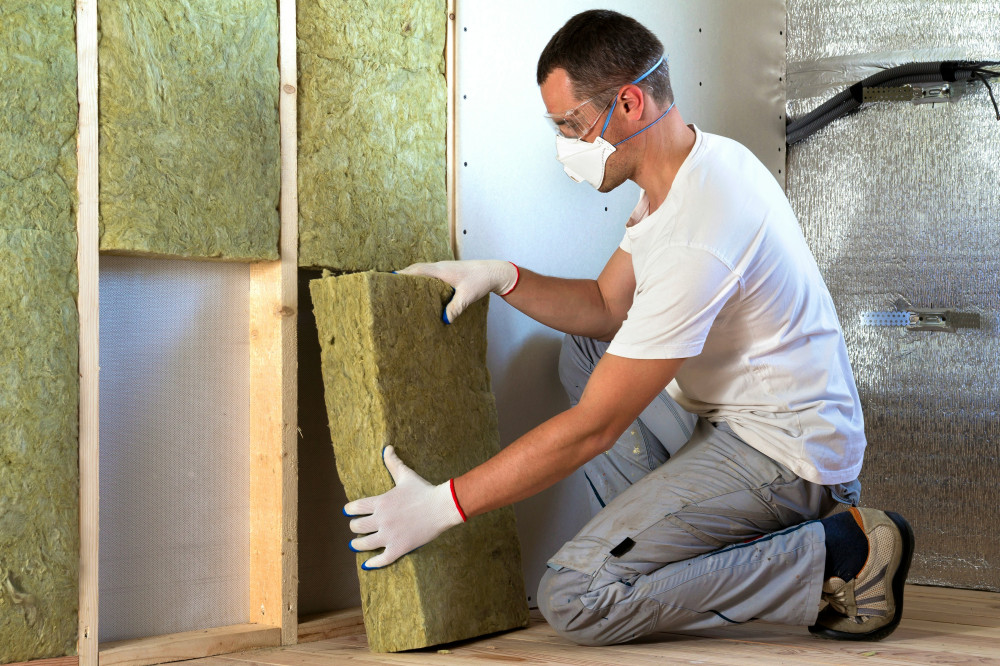
Energy efficiency is another key factor. A well-insulated roof can reduce the need for air conditioning, while reflective or “cool roof” coatings can help lower indoor temperatures in hot climates.
Maintenance: Thinking Long-Term
A beautiful roof is only an asset if it stays that way for years. Maintenance needs vary widely depending on the material and local conditions.
- Clay and terracotta tiles may need occasional replacement of broken pieces and cleaning to remove moss or debris.
- Concrete roofs should be checked for cracks and waterproofing issues, especially before the monsoon.
- Metal roofs are generally low-maintenance but should be inspected for rust or loose fasteners.
- Bitumen or asphalt roofs require periodic resealing to maintain water resistance.
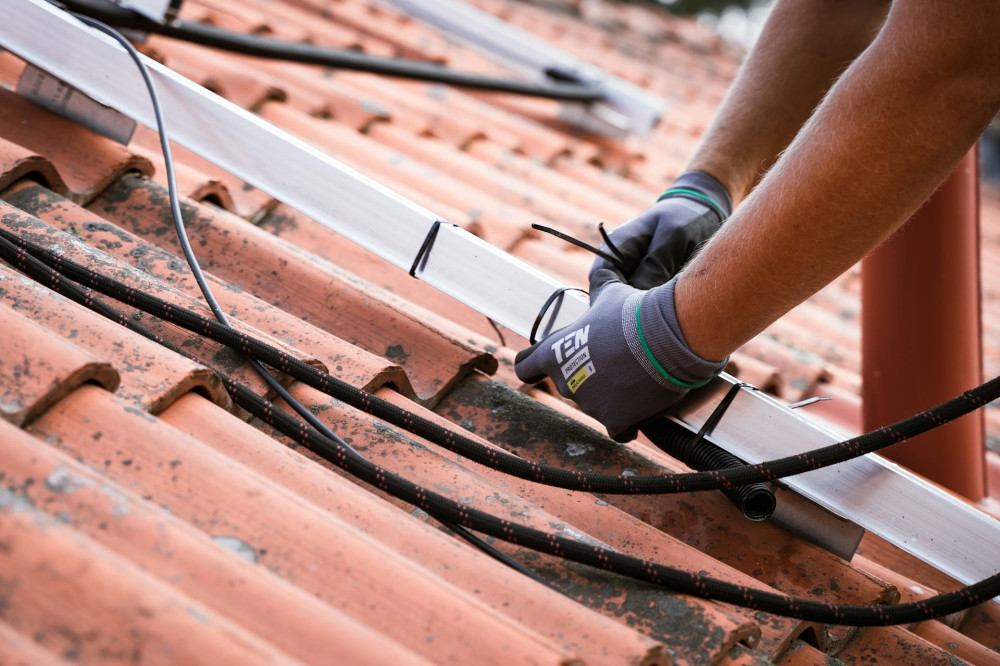
- Green or solar roofs need regular upkeep of plants or panels but can offer long-term environmental and energy benefits.
Planning for maintenance early can save time and money later. If you prefer minimal upkeep, opt for materials known for durability and weather resistance.
Læs også:
Cost and Sustainability
The cost of roofing depends on the material, design complexity, and labour. Clay tiles and slate are premium options, while concrete and metal are more budget-friendly. However, it’s important to consider the total cost of ownership – a slightly more expensive roof that lasts longer and requires less maintenance can be more economical in the long run.
Sustainability is also gaining importance in Indian construction. Many manufacturers now offer eco-friendly or recyclable materials. Cool roofs, solar-integrated panels, and green roofs can reduce energy use and contribute to a healthier environment. In cities facing waterlogging, green roofs can even help manage rainwater runoff.
The Right Choice Is an Informed One
There is no single “best” roof for every home. The ideal choice depends on your location, budget, lifestyle, and aesthetic preferences. Take time to explore your options, consult professionals, and weigh both the visual and practical aspects. A well-chosen roof not only enhances your home’s beauty but also protects it for decades to come.
A roof is more than just a cover – it’s an investment in comfort, style, and lasting value.
Læs også: