Concrete Roof Weight – How It Affects Transport and Installation

Concrete Roof Weight – How It Affects Transport and Installation
Concrete roofs are valued for their strength, durability, and timeless appearance – but they are also known for their weight. While lighter roofing materials such as metal sheets or clay tiles can be handled with relative ease, concrete roof tiles require more careful planning when it comes to both transport and installation. The weight affects everything from logistics and lifting equipment to the structural capacity of the building. Here’s an overview of how the weight of a concrete roof influences the process – and what you should keep in mind if you are considering this type of roof in India.
How Heavy Is a Concrete Roof?
Concrete is one of the heaviest roofing materials available. A single concrete roof tile typically weighs between 4 and 5 kilograms, and the total weight of a concrete roof can reach around 40–50 kilograms per square metre. For a typical 150-square-metre house, that means several tonnes of roofing material.
This heavy weight is not necessarily a disadvantage. It provides stability and resistance against strong winds and heavy rain – both important factors in many parts of India, especially in coastal or cyclone-prone regions. However, it also places higher demands on the roof structure and the way the materials are handled during transport and installation.
Transport: Planning and Logistics
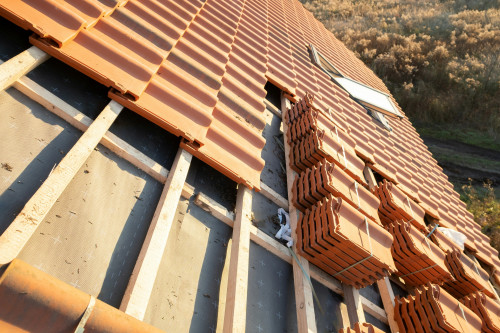
Transporting concrete roof tiles requires careful logistical planning. Because of their weight, a truck can only carry a limited number of pallets, which often means multiple deliveries compared to lighter materials. This can increase transport costs, especially if the construction site is located far from the manufacturing plant.
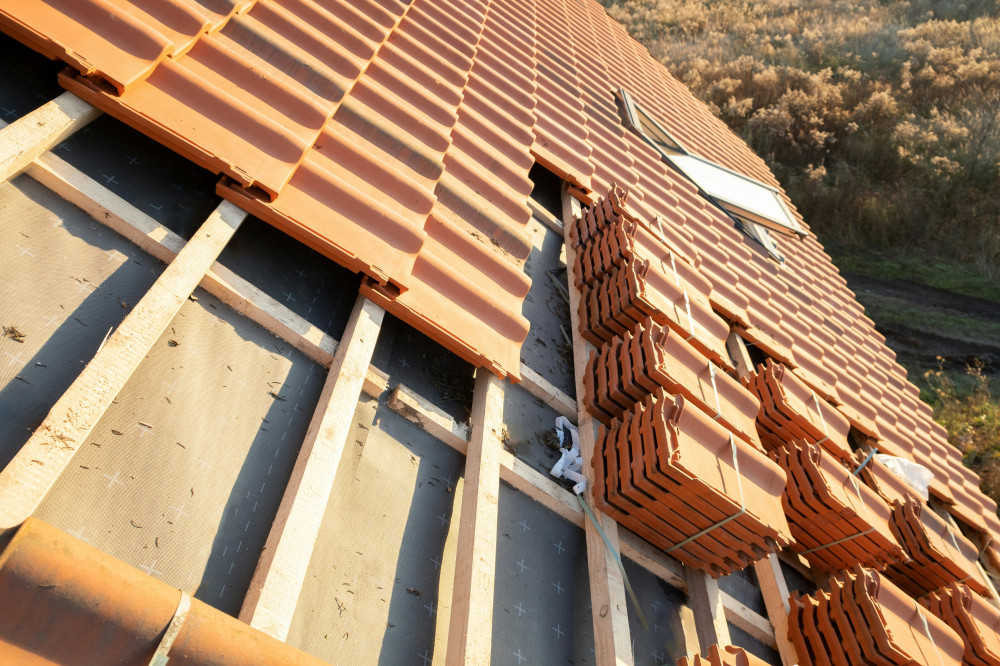
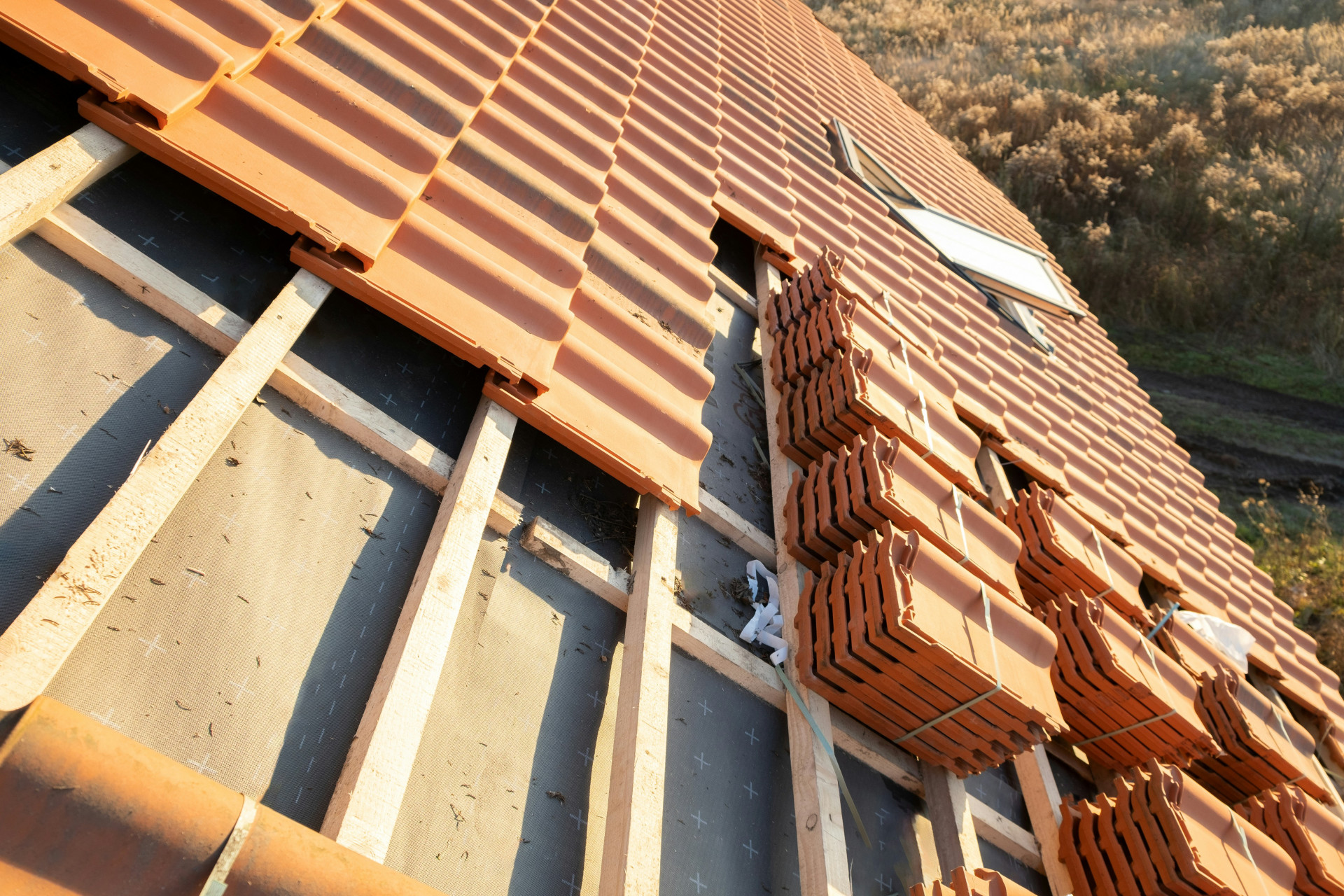
Tiles are usually packed tightly on pallets to prevent movement and damage during transport. On-site, it’s important to have a level and firm surface for unloading. Many suppliers in India offer crane-assisted delivery, allowing pallets to be lifted directly onto scaffolding or the roof area. This not only saves time but also reduces the physical strain on workers.
Installation: Strength and Precision Required
Installing a concrete roof is a task that demands both experience and the right equipment. The tiles are heavy and must be handled carefully to avoid breakage. In most cases, cranes or hoists are used to lift the tiles to roof level. Because of the precision required in laying the tiles and the physical effort involved, this is rarely a do-it-yourself project.
The roof structure must be designed to support the total load – including the weight of the tiles, waterproofing layers, and any additional loads such as rainwater or debris. In renovation projects, it’s essential to have a structural engineer assess whether the existing framework can safely carry a concrete roof. In regions with high rainfall or occasional seismic activity, additional reinforcement may be necessary.
Læs også:


Advantages of a Heavy Roof
Although the weight can seem like a challenge, it also brings several benefits. A heavy roof sits firmly on the structure, making it less likely to be lifted or damaged by strong winds. This is particularly valuable in areas affected by monsoon storms or cyclones. Concrete tiles also provide excellent sound insulation, reducing the noise of rain and hail compared to lighter roofing materials.
The thermal mass of concrete helps regulate indoor temperatures by absorbing heat during the day and releasing it slowly at night. In India’s hot climate, this can contribute to a more stable indoor environment, especially when combined with proper insulation and ventilation.
Disadvantages and Practical Considerations
The main drawback of a concrete roof’s weight is the additional structural and handling requirements. A heavy roof demands a strong foundation and robust trusses, which can increase construction costs. For existing buildings, reinforcement may be needed before installation.
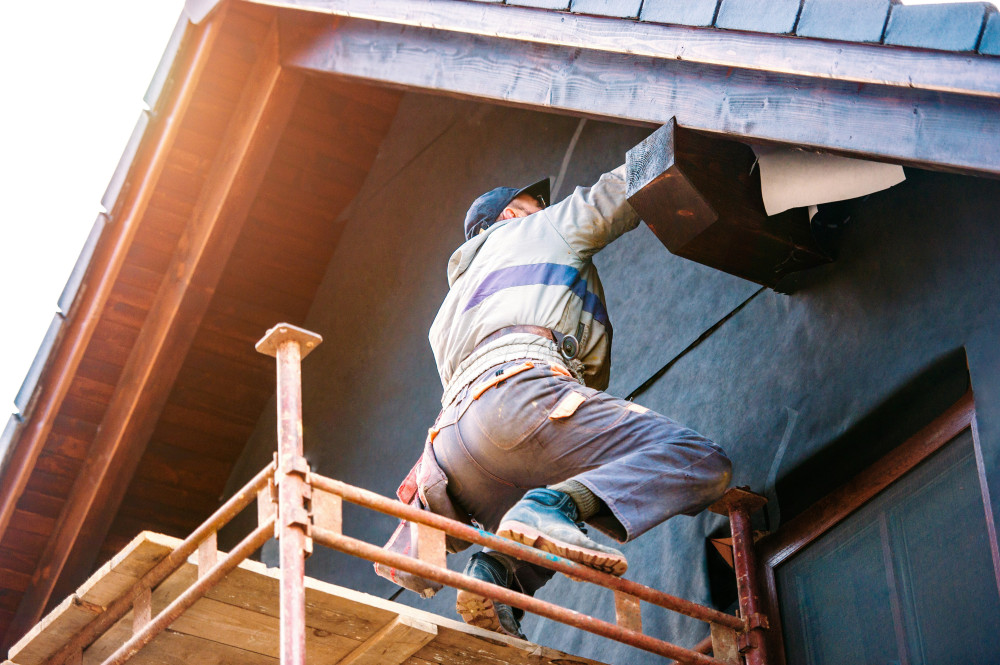
The installation process can also take longer and requires strict safety measures on-site. Workers must use proper lifting equipment and follow safety protocols to prevent injuries. For these reasons, most homeowners choose to hire professional roofing contractors experienced in handling concrete tiles.
Planning a Concrete Roof Project
If you are considering a concrete roof, it’s wise to factor in the weight from the very beginning of your project. Here are some key points to consider:
- Get a structural assessment to ensure your building can support the roof’s weight.
- Coordinate delivery with your contractor so that pallets are placed close to the installation area.
- Ensure site accessibility for cranes or lifting equipment.
- Plan installation during dry weather, as wet tiles become heavier and more slippery to handle.
With proper planning and professional execution, a concrete roof can be installed efficiently and safely – resulting in a roof that lasts for decades with minimal maintenance.
A Heavy Roof with Long-Term Value
The weight of a concrete roof is both a challenge and an advantage. It requires thoughtful planning in transport and installation, but in return, you get a roof that stands firm in all kinds of weather and offers a lifespan of 50 years or more. For many homeowners in India, it’s an investment in safety, comfort, and lasting quality – a solid roof that stays in place no matter the conditions.
Læs også: