Recycling in Energy Renovation: Giving Materials a New Life

Recycling in Energy Renovation: Giving Materials a New Life
When we talk about energy renovation, the focus often falls on insulation, solar panels, or efficient lighting. But there is another powerful – and often overlooked – opportunity: recycling and reusing building materials. By giving existing materials a new life, we can save resources, reduce carbon emissions, and create buildings that are both sustainable and full of character. Here’s how recycling can become a natural part of your next energy renovation project in India.
Why Recycling Makes Sense
The construction sector is one of the largest consumers of raw materials and producers of waste worldwide. In India, where urbanisation is accelerating, the demand for new buildings is immense – and so is the potential for waste. Every time a structure is demolished or renovated, valuable materials like bricks, steel, and wood are often discarded, even though many of them could be reused.
Recycling and upcycling these materials reduces the need for new raw resources and the energy required for production and transport. It also helps lower the environmental footprint of construction projects, which is crucial in a country striving to meet its climate goals while continuing to grow economically.
Moreover, reused materials can add a unique aesthetic to buildings. Old bricks, reclaimed wood, or traditional tiles can bring warmth and authenticity that new materials rarely match.
Start by Assessing What You Already Have
A successful energy renovation begins with a careful assessment of the existing structure. Instead of tearing everything down, identify which materials can be preserved, repaired, or reused.
- Bricks and masonry can often be cleaned and reused, especially the durable fired bricks common in Indian buildings.
- Wooden doors and windows can be refurbished, sealed, or fitted with energy-efficient glass instead of being replaced.
- Steel and iron elements can be repainted or repurposed in new structural or decorative ways.
- Roof tiles or clay elements can be reused if they remain intact and weather-resistant.
By reusing what you already have, you save both money and resources – and prevent unnecessary waste from ending up in landfills.
Combining Recycling with Energy Efficiency
Some believe that recycling and energy efficiency are at odds, but in reality, they complement each other. The key is to balance preservation with performance.
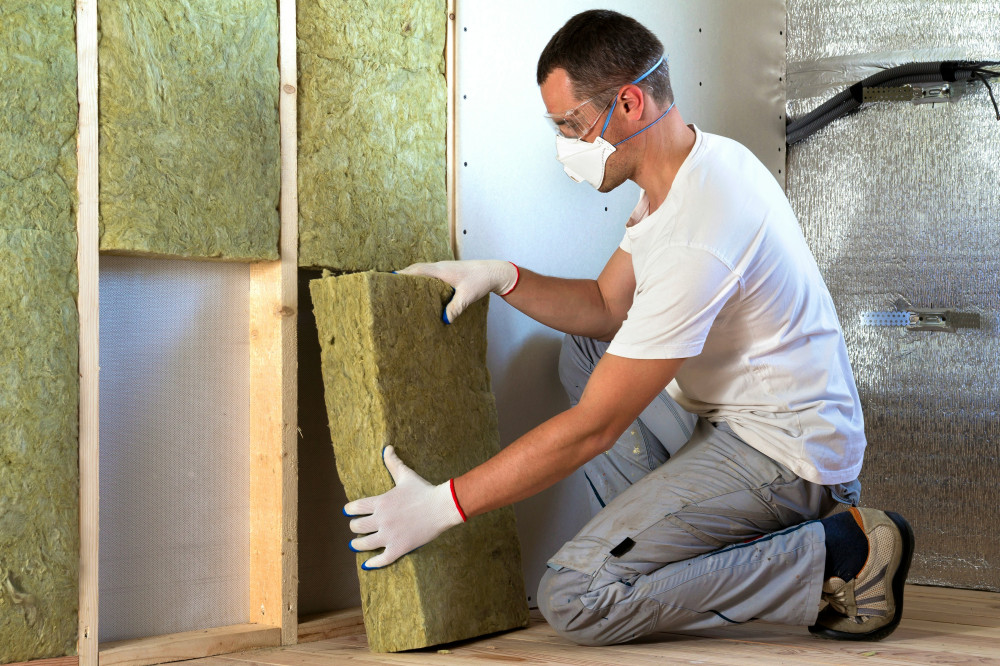
For example, instead of replacing old windows entirely, you can retrofit them with double glazing or add shading devices to improve thermal comfort. Similarly, adding insulation to roofs or walls from the inside can enhance energy performance without altering the building’s exterior – a valuable approach for heritage or traditional homes.
In India’s diverse climate zones, from humid coasts to dry interiors, combining recycled materials with passive design strategies – such as natural ventilation, shading, and reflective surfaces – can significantly reduce energy use while maintaining comfort.
Finding Materials and Skilled Partners
If you need additional recycled materials, there are growing opportunities to source them. Several Indian cities now have material recovery facilities and online marketplaces for reclaimed building components. NGOs and start-ups are also promoting circular construction by collecting and reselling used materials from demolition sites.
Collaborating with architects, engineers, and contractors experienced in sustainable construction can make a big difference. They know how to handle older materials safely and ensure they meet modern standards for strength, safety, and energy performance.
Læs også:


Documentation and Quality Assurance
When using recycled materials, proper documentation is essential. Knowing the origin, condition, and treatment of materials helps ensure safety and compliance with building codes. Certification systems and digital material passports are emerging tools that make it easier to track and verify the quality of reused components.
This transparency not only builds trust but also supports the long-term maintenance and value of the building.
Recycling as Part of the Future of Construction
Recycling in energy renovation is more than a trend – it’s a necessity for a sustainable future. By adopting circular thinking, we can extend the life of materials, reduce waste, and create buildings that are both energy-efficient and environmentally responsible.
In India, where tradition and innovation often meet, this approach offers a chance to blend the old with the new – preserving cultural identity while embracing modern sustainability. Buildings that tell their story through reused materials are not just good for the planet; they are a testament to creativity, resilience, and respect for resources.
Læs også: