Less CO₂ with Heat Pumps: An Important Step Toward Fossil-Free Heating

Less CO₂ with Heat Pumps: An Important Step Toward Fossil-Free Heating
As India works toward a cleaner and more sustainable energy future, the way we heat and cool our homes and buildings plays a crucial role. A large share of the country’s energy use goes into maintaining comfortable indoor temperatures, and much of that energy still comes from fossil fuels such as coal, oil, and natural gas. Heat pumps offer a promising alternative — one that can significantly reduce CO₂ emissions while improving energy efficiency.
How Heat Pumps Work
A heat pump operates much like an air conditioner, but it can work in both directions. In cooling mode, it removes heat from indoors and releases it outside. In heating mode, it extracts heat from the air, ground, or water outside and transfers it indoors. Even when the outside air feels cool, there is still enough thermal energy for the heat pump to capture and amplify.
There are several types of heat pumps:
- Air-to-air heat pumps, which deliver warm or cool air directly into rooms.
- Air-to-water heat pumps, which heat water for radiators, underfloor systems, or domestic use.
- Ground-source (geothermal) heat pumps, which draw heat from the stable temperature underground through buried pipes.
All of these systems run on electricity, but they typically produce three to four times more heat energy than the electricity they consume — making them far more efficient than conventional electric or fossil-fuel-based heating.
Læs også:
A Key Part of India’s Energy Transition
India’s electricity mix is rapidly changing, with solar and wind power expanding across the country. As the share of renewable electricity grows, using that clean power to run heat pumps becomes an even more climate-friendly solution. Instead of burning LPG, diesel, or coal for heating, households and businesses can rely on renewable electricity to generate heat efficiently.
Replacing a traditional electric heater or diesel boiler with a heat pump can cut CO₂ emissions by more than half, depending on the local electricity source. In addition, heat pumps reduce local air pollution — an important benefit in cities where air quality is a major concern.
Economic and Practical Considerations
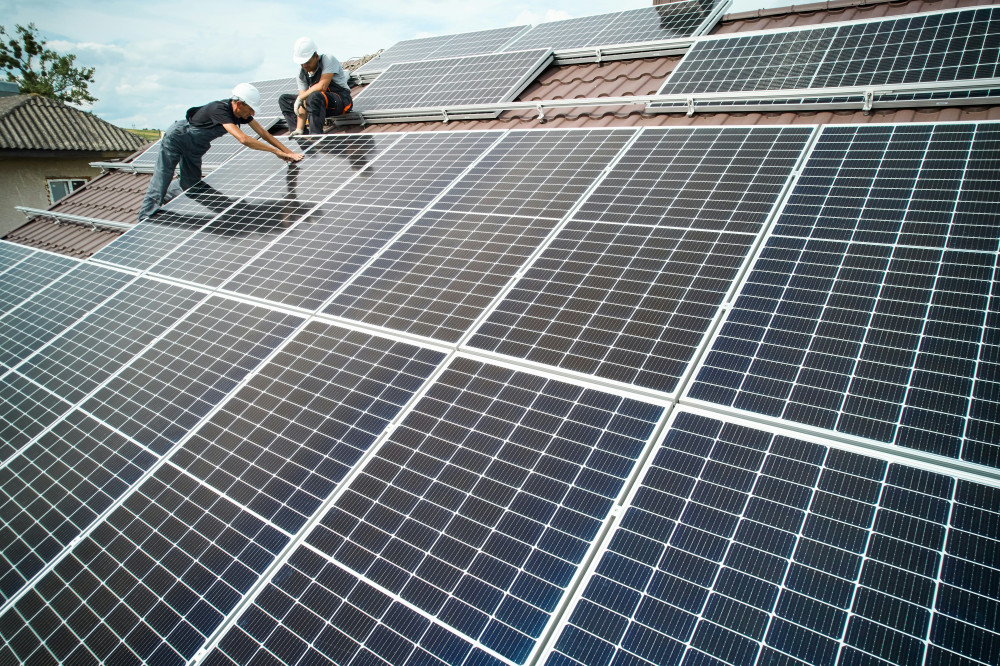
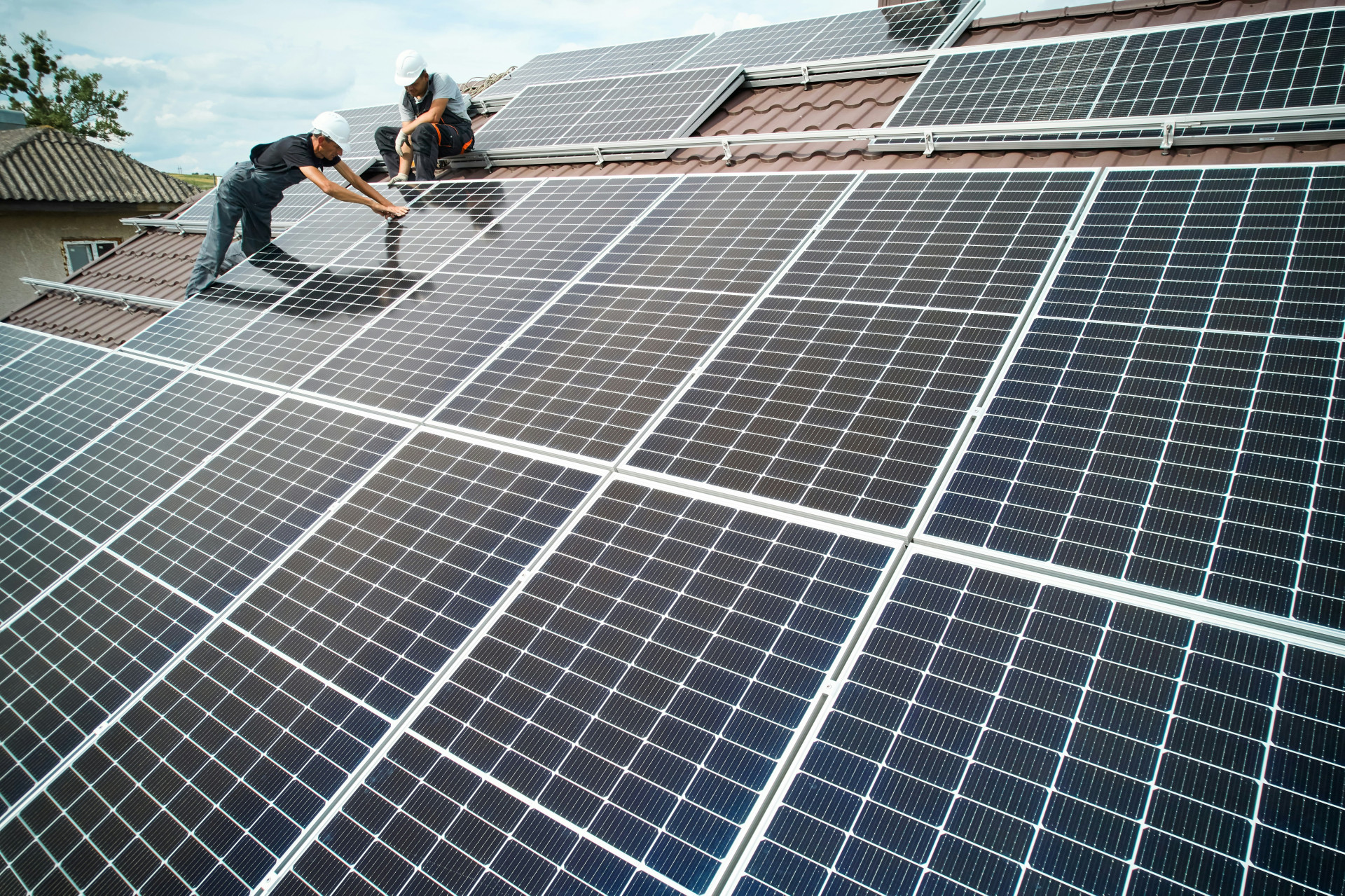
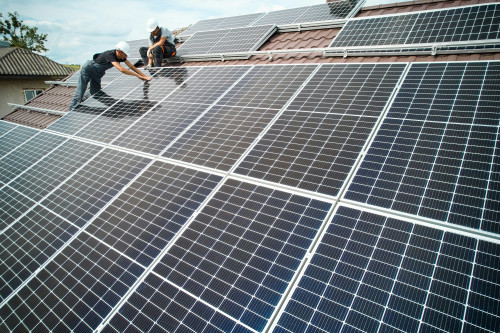
While installing a heat pump requires an upfront investment, the running costs are often lower than those of conventional systems, especially when paired with rooftop solar panels. Over time, the savings on fuel and maintenance can offset the initial expense.
Government initiatives such as the Energy Conservation Building Code (ECBC) and various state-level renewable energy programs encourage the adoption of efficient technologies. As awareness grows, financial incentives and green financing options are expected to make heat pumps more accessible to homeowners and businesses alike.
Collective and Commercial Solutions
Heat pumps are not only for individual homes. In apartment complexes, offices, hotels, and hospitals, centralized heat pump systems can provide both heating and cooling through a shared network. In colder regions such as Himachal Pradesh, Uttarakhand, or parts of the Northeast, community-scale systems could replace diesel-based heating, offering cleaner and quieter comfort.
For industries that require process heat at moderate temperatures, large-scale heat pumps can also help reduce dependence on fossil fuels and lower operational costs.
Toward a Fossil-Free Heating Future
Heat pumps are not the only answer to India’s energy and climate challenges, but they are one of the most efficient and ready-to-deploy technologies available today. Combined with better building insulation, smart energy management, and renewable electricity, they can play a major role in achieving India’s net-zero goals.
For households and businesses alike, choosing a heat pump means lower CO₂ emissions, reduced fuel dependence, and a more comfortable indoor environment. It is not just a step toward modern comfort — it is a step toward a cleaner, more sustainable future for India.
Læs også: