Choose the Right Brick Size for Your New Construction

Choose the Right Brick Size for Your New Construction
When planning a new home or building in India, choosing the right brick size is more important than it might seem. The size of the brick affects not only the appearance of your structure but also its cost, strength, and construction speed. A well-chosen brick size can enhance the proportions and character of your building, while a poor choice can lead to unnecessary expense or an unbalanced look. Here’s a guide to help you select the right brick size for your project.
What Does Brick Size Mean?
Brick size refers to the brick’s length, width, and height—usually measured in millimetres. In India, several standard brick sizes are used, depending on region and building type. The most common are:
- Traditional brick (modular size): 190 x 90 x 90 mm (with mortar joint, 200 x 100 x 100 mm)
- Non-modular brick: 230 x 110 x 70 mm
- Fly ash brick: 230 x 110 x 75 mm
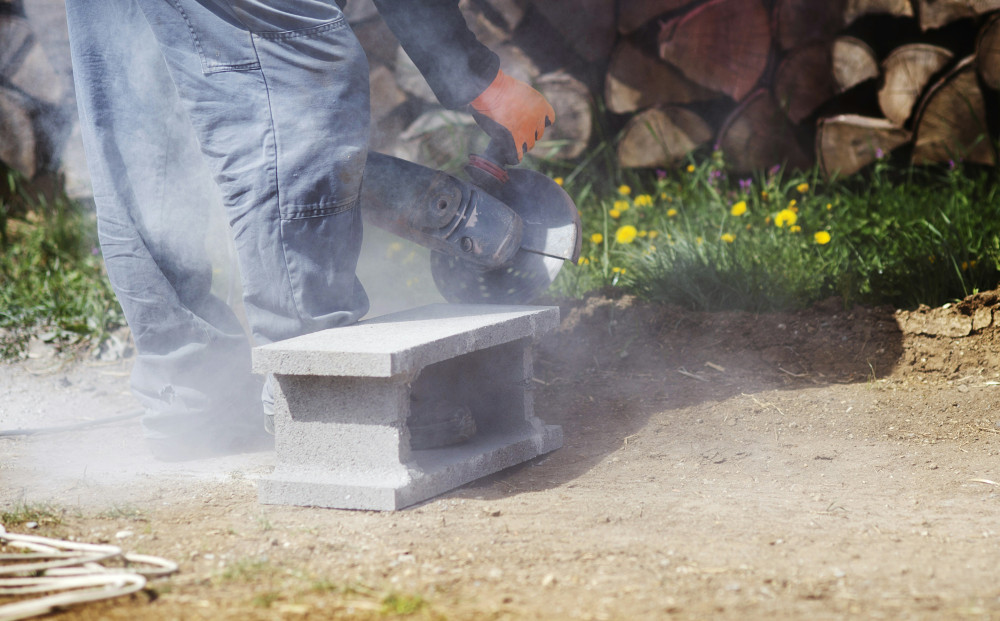
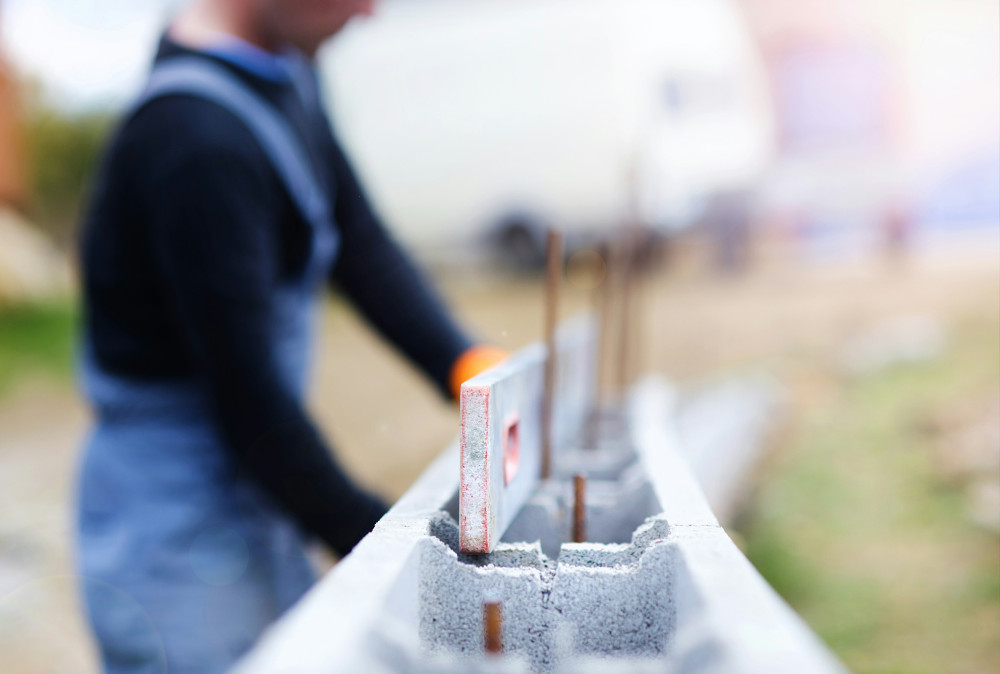
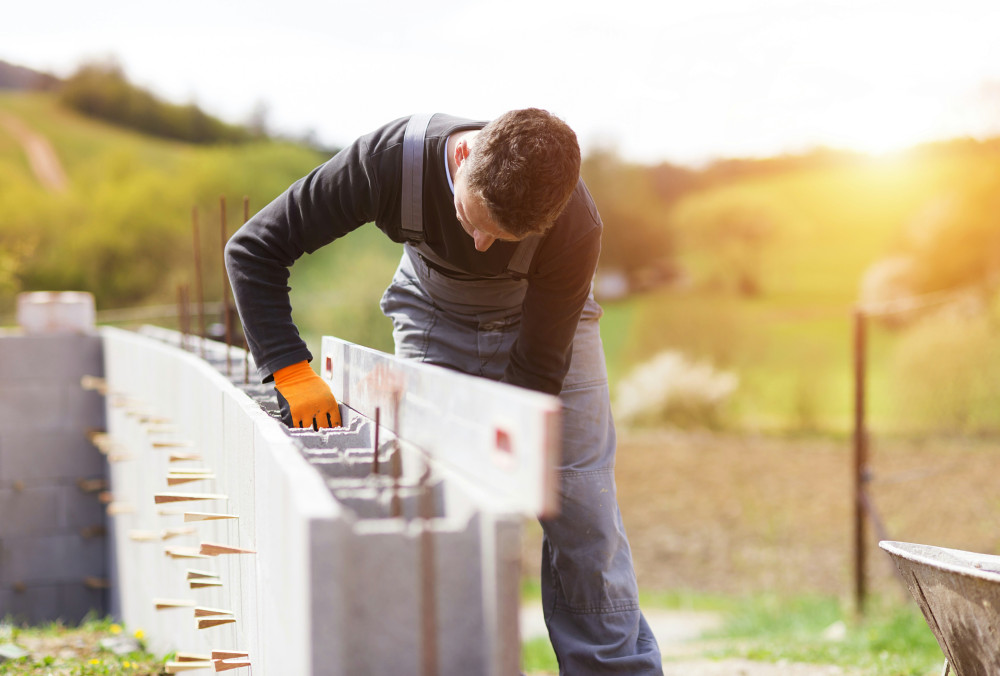
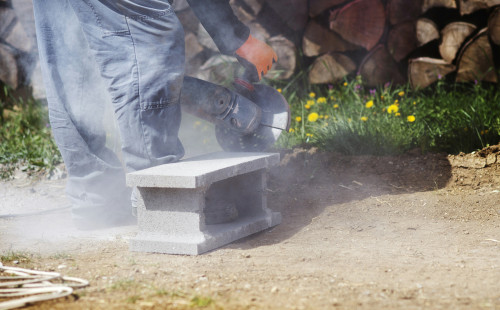
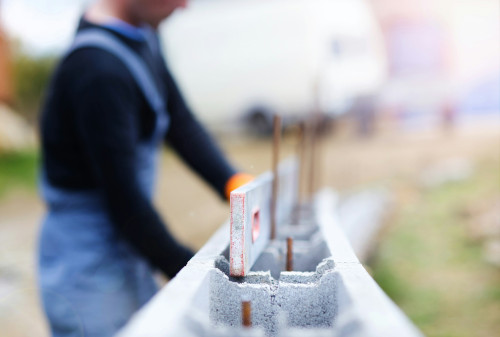
- Concrete block (hollow or solid): 400 x 200 x 200 mm (varies by manufacturer)
Even small differences in size can influence the overall look and performance of your walls. Larger bricks or blocks reduce the number of joints and speed up construction, while smaller bricks allow for more detailed work and a traditional appearance.
Architecture and Proportion
The right brick size should complement your building’s architectural style. In India, where both traditional and modern designs coexist, the choice of brick can help define the building’s character.
- Traditional homes: Smaller, hand-moulded clay bricks give a warm, rustic look and are ideal for heritage-style or vernacular architecture.
- Modern homes: Larger fly ash or concrete blocks create clean lines and a contemporary feel, especially when combined with smooth plaster or exposed finishes.
- Commercial or institutional buildings: Modular or hollow blocks are often preferred for their uniformity, strength, and speed of construction.
Before deciding, it’s wise to look at completed buildings that use the brick size you’re considering. Seeing the proportions in real life helps you understand how the size affects the overall design.
Cost and Construction Efficiency
Brick size has a direct impact on both cost and construction time. Larger bricks or blocks mean fewer units per square metre of wall, which reduces labour time and mortar consumption. However, they may require more careful handling and sometimes need special tools or techniques.
For example, fly ash bricks and concrete blocks are often more economical for large projects because they are uniform, easy to lay, and require less plastering. Traditional clay bricks, while slightly more labour-intensive, are widely available and well-suited for smaller or custom projects.
Balancing cost, availability, and the desired aesthetic is key. Discuss with your architect or contractor which option best fits your budget and timeline.
Læs også:
Climate and Performance
India’s diverse climate also plays a role in choosing the right brick size and type. In hot and dry regions, thicker walls made from larger bricks or blocks can improve thermal comfort by keeping interiors cooler. In humid or coastal areas, well-fired or fly ash bricks resist moisture and salt damage better than low-quality clay bricks.
If energy efficiency is a priority, consider hollow blocks or insulated bricks, which reduce heat transfer and can lower cooling costs over time.
Colour, Texture, and Finish
Brick size should be considered alongside colour and surface texture. Exposed brickwork is increasingly popular in Indian architecture, and the combination of size and finish can dramatically change the building’s appearance. Smooth, uniform bricks in larger sizes give a sleek, modern look, while smaller, rough-textured bricks create a handcrafted, traditional feel.
Mortar joints also influence the final effect. Thin joints highlight the brick’s shape and precision, while thicker joints can soften the pattern and add visual depth.
Availability and Practical Considerations
Before finalising your choice, check the local availability of your preferred brick size. Standard modular bricks and fly ash bricks are widely produced across India, while special sizes or finishes may need to be ordered in advance. Ensure that the supplier can provide consistent quality and enough quantity for the entire project, including future repairs.
Also, consider how the chosen size will affect details like corners, window openings, and wall thickness. Consulting your architect and mason early in the process helps avoid complications later.
How to Choose the Right Brick Size
To make the best decision, start by asking yourself three key questions:
- What look do you want? Traditional, modern, or a mix of both?
- What are your priorities? Cost, speed, strength, or aesthetics?
- How does the brick size suit your climate and building design?
By weighing these factors, you can select a brick size that fits your vision, budget, and local conditions. The right choice will give your building lasting beauty, strength, and harmony—qualities that will stand the test of time in India’s diverse and dynamic environment.
Læs også: