Bricks in Energy-Efficient Construction: Harnessing Masonry’s Heat for Passive Warming

Bricks in Energy-Efficient Construction: Harnessing Masonry’s Heat for Passive Warming
For centuries, bricks have been a cornerstone of Indian architecture — from the ancient cities of the Indus Valley to the modern skylines of Delhi and Mumbai. Their durability, availability, and timeless aesthetic have made them a natural choice for builders across climates and generations. But in today’s era of rising energy costs and growing environmental awareness, bricks are gaining renewed attention for another reason: their ability to store and release heat, making them a key component in energy-efficient and passive building design.
Bricks as Thermal Batteries
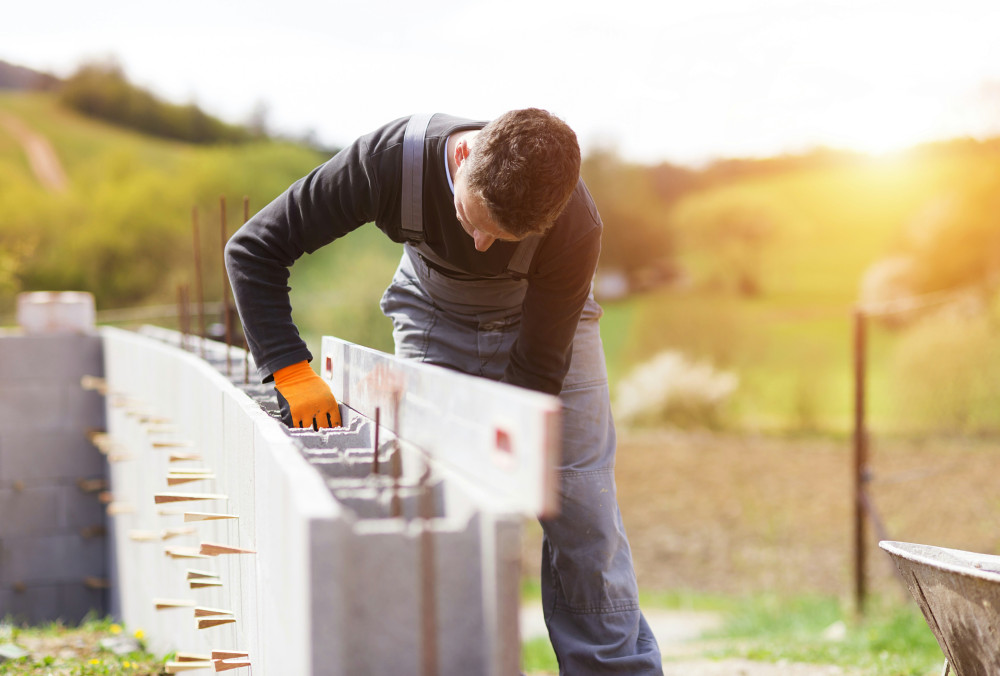
One of the most valuable properties of brick is its thermal mass — the capacity to absorb, store, and gradually release heat. When sunlight strikes a brick wall, the material absorbs warmth during the day and releases it slowly as the air cools in the evening. This natural heat regulation helps maintain a more stable indoor temperature, reducing the need for mechanical heating or cooling.
In India’s diverse climate zones, this property can be particularly beneficial. In northern regions, where winter nights can be chilly, brick walls can retain daytime warmth and release it after sunset. In hot and dry areas, such as Rajasthan, thick brick walls can delay heat transfer, keeping interiors cooler during the day and warmer at night.
Læs også:
Design and Orientation Matter
To make the most of brick’s thermal potential, design and orientation are crucial. South-facing walls and façades that receive direct sunlight can act as natural heat collectors. Interior brick walls that are exposed to sunlight through large windows can also serve as effective heat reservoirs.
A well-known passive design strategy is the Trombe wall — a heavy masonry wall placed behind a glass panel. Sunlight passes through the glass, heating the brick surface, which then radiates warmth into the interior as temperatures drop. This simple yet effective system can significantly reduce the need for artificial heating in cooler months, especially in regions like Himachal Pradesh or Uttarakhand.
Integrating Traditional Materials with Modern Solutions
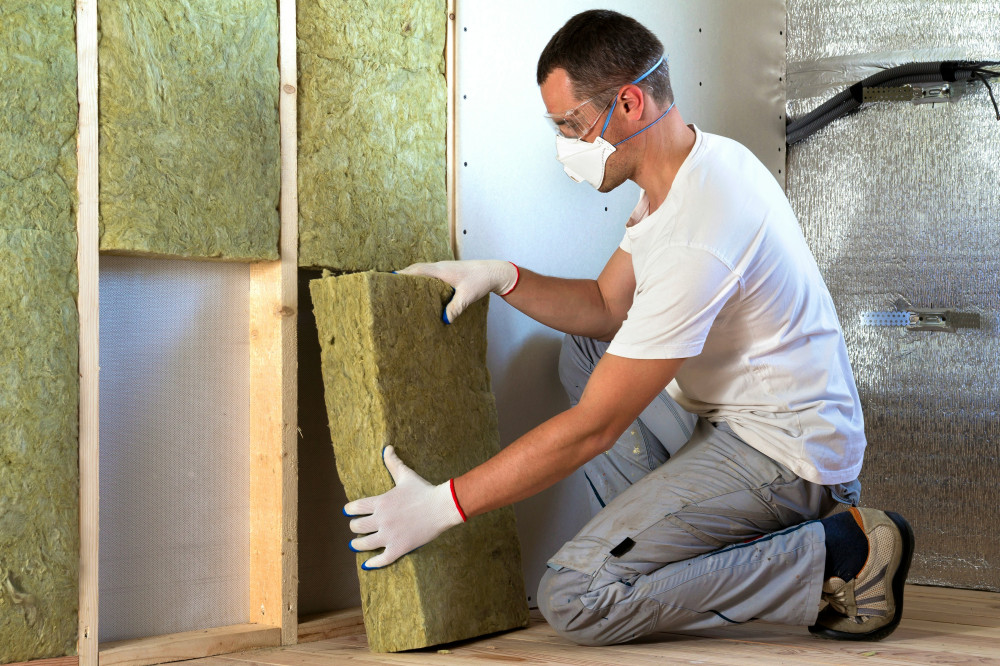
While brick’s thermal properties are impressive on their own, they work best when combined with other energy-efficient technologies. High-quality insulation, energy-efficient glazing, and natural ventilation systems can complement brick’s performance, creating a balanced and comfortable indoor environment.
In modern Indian construction, architects are increasingly combining brick masonry with solar panels, green roofs, and rainwater harvesting systems. This integrated approach allows buildings to not only conserve energy but also generate it, aligning with India’s growing focus on sustainable urban development.
Comfort and Indoor Climate
Buildings made with exposed brick walls often feel more comfortable and “alive.” This is because brick helps regulate both temperature and humidity. During hot summers, bricks can absorb excess heat, keeping interiors cooler, while in cooler months, they help retain warmth. Moreover, brick is a breathable material, allowing moisture to pass through without condensation, which contributes to a healthier indoor environment.
For India’s humid coastal regions, such as Kerala or Tamil Nadu, this moisture-regulating property can help prevent dampness and mold, improving indoor air quality and comfort.
Sustainability and Longevity
Energy-efficient construction is not only about reducing energy use today but also about ensuring long-term sustainability. Bricks have an exceptionally long lifespan and can be reused or recycled when a building reaches the end of its life. Locally produced bricks also reduce transportation emissions and support regional economies.
Furthermore, brick structures require minimal maintenance, which means fewer resources are consumed over time. Compared to many modern synthetic materials, brick remains a robust, low-impact, and future-ready choice for sustainable construction.
The Future of Brick in Indian Architecture
As India moves toward stricter energy codes and greener building standards, the role of brick is being reimagined. Innovations such as lightweight insulating bricks, fly ash bricks, and compressed earth blocks are reducing the environmental footprint of traditional masonry while enhancing its performance.
Architects and engineers are now exploring how brick can be integrated into passive and net-zero energy buildings, where structures generate as much energy as they consume. In this context, brick is not just a symbol of tradition and strength — it is a material of the future.
By harnessing the natural thermal properties of masonry, India can create homes and buildings that are not only beautiful and comfortable but also energy-efficient and environmentally responsible. In a country where the sun shines abundantly, using bricks to capture and store that warmth is both a nod to tradition and a step toward a sustainable tomorrow.
Læs også: