Whispers of warmth: Unveiling the magic of wood fiber insulation
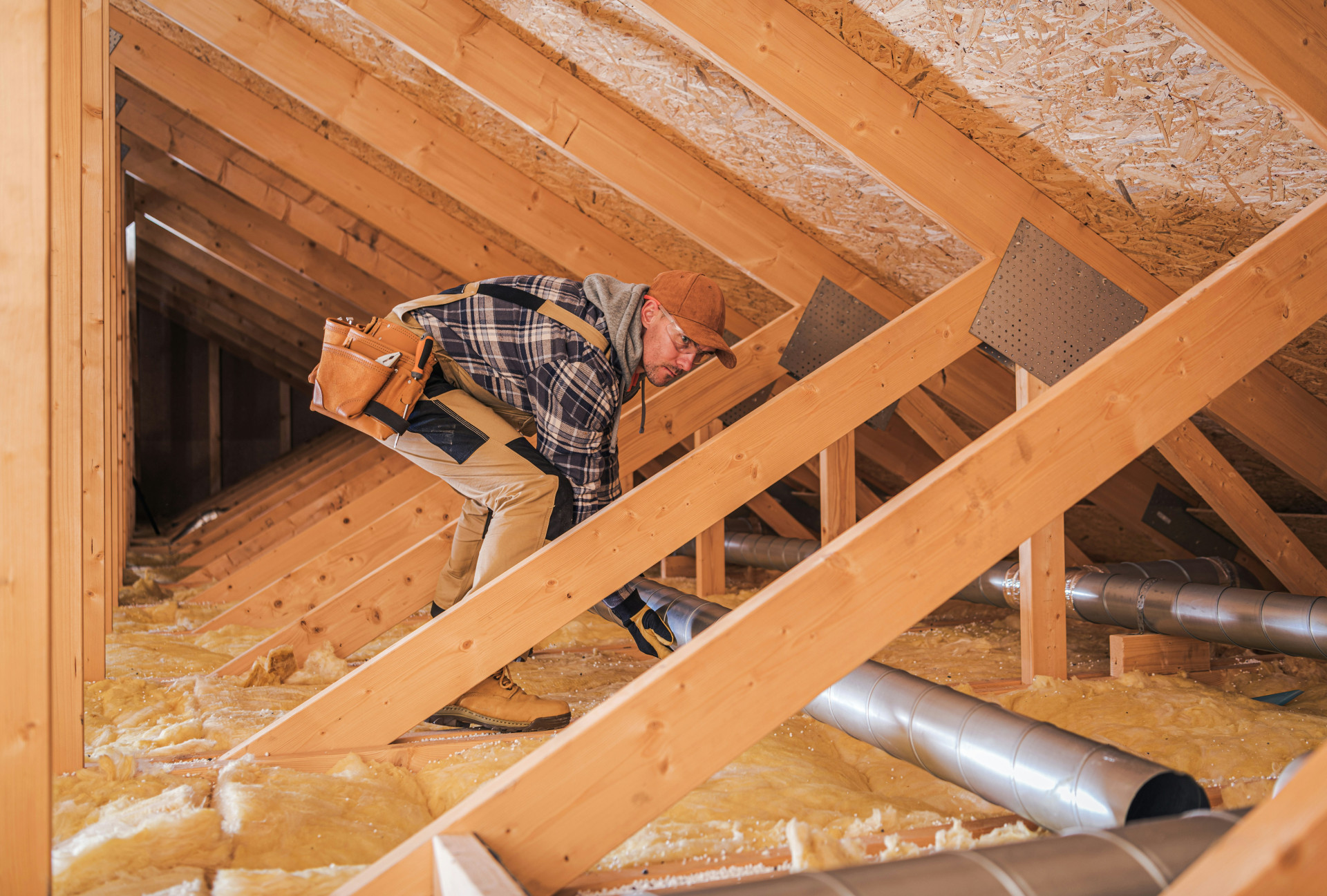
Whispers of warmth: Unveiling the magic of wood fiber insulation
When it comes to building materials and insulation methods, the emphasis often falls on efficiency, cost-effectiveness, and sustainability. Among these options, wood fiber insulation stands out, capturing the attention of eco-conscious homeowners and builders alike. This article delves into the unique properties and benefits of wood fiber insulation, uncovering the magic that makes it an attractive choice for residential and commercial construction.
What is Wood Fiber Insulation?
Wood fiber insulation is crafted from renewable wood sources, typically derived from sawmill by-products or wood chips. The manufacturing process involves breaking down wood into fibers, which are then processed into boards, battens, or loose-fill insulation. This type of insulation not only provides thermal protection but also exhibits exceptional soundproofing qualities, making it a versatile building material.
Thermal Performance
One of the most notable characteristics of wood fiber insulation is its impressive thermal performance. The unique cellular structure of wood fibers leads to superior thermal resistance, often exceeding that of traditional insulation materials like fiberglass or foam. This means that homes insulated with wood fiber can maintain a consistent and comfortable indoor temperature, reducing energy consumption and utility bills.
Wood fiber insulation also boasts a high thermal mass, which helps regulate temperature fluctuations. This property allows buildings to absorb heat during the day and release it slowly at night, thus creating a more stable indoor environment.
Moisture Management
Proper moisture management is crucial in maintaining the integrity and longevity of a building. Wood fiber insulation excels in this aspect due to its hygroscopic nature. It can absorb and release moisture without compromising its insulating properties.
This ability to manage moisture effectively minimizes the risk of mold growth and condensation within walls, which can lead to deteriorating structures over time. The breathability of wood fiber also enhances indoor air quality by allowing moisture and vapor to escape while preventing excess dampness.
Sound Insulation
Soundproofing is another major advantage of wood fiber insulation. The dense composition of wood fibers helps to dampen sound transmission, making it ideal for residential settings where noise reduction is desired. This feature is especially beneficial for homes located in busy urban areas or near noisy thoroughfares.
With wood fiber insulation, homeowners can enjoy a peaceful living environment, shielding their homes from external noise disruptions. Additionally, its sound-absorbing qualities improve acoustic comfort within the home, ensuring that conversations and entertainment remain undisturbed.
Eco-Friendliness
As we transition towards more sustainable building practices, the eco-friendliness of materials has never been more critical. Wood fiber insulation is a renewable product that supports sustainable forestry. Since it is made from recycled wood, it reduces waste and minimizes the need for new raw materials.
Moreover, wood fiber insulation has a relatively low carbon footprint when compared to synthetic alternatives. It sequesters carbon throughout its lifecycle, contributing to reduced greenhouse gas emissions. Additionally, it is free from harmful substances such as VOCs (volatile organic compounds), ensuring a healthier living space.
Installation and Versatility
Wood fiber insulation is versatile in its application and can be used in various building projects. Installation methods vary depending on the form of insulation, whether in batts, boards, or loose-fill. It can be applied in walls, roofs, and floors, offering flexibility to builders.
The lightweight nature of wood fiber products also simplifies transportation and handling, making the installation process more efficient. Builders appreciate the ease of cutting and fitting wood fiber into irregular spaces, allowing for a snug and effective thermal barrier.
Long-Term Durability
Durability is a crucial factor in any building materials performance. Wood fiber insulation is known for its resilience and longevity. When properly installed, it can withstand various environmental factors, including temperature variations, moisture, and pests.
This durability ensures that wood fiber insulation maintains its insulation properties over time, providing lasting comfort and energy efficiency for many years. Investing in high-quality wood fiber insulation translates into fewer repairs and replacements, enhancing long-term value.
With its myriad benefits, wood fiber insulation proves to be a modern marvel in sustainable construction. Homeowners and builders alike are increasingly recognizing the value it adds to their projects, making it an essential consideration for new builds and renovations.
