Unlocking your project’s potential with the right crane equipment
Unlocking your project’s potential with the right crane equipment
When it comes to construction, engineering, or any large-scale project, the choice of crane equipment can significantly impact the efficiency and success of the undertaking. The right crane can enhance productivity, improve safety, and optimize workflow. Understanding the various types of cranes available and their specific applications is crucial for making informed decisions that maximize your projects potential.
Understanding Different Types of Cranes
There are various types of cranes, each designed for specific tasks. Some common types include:
- Mobile Cranes: These are versatile and can be easily transported to various locations. They are ideal for smaller construction projects or sites with limited space.
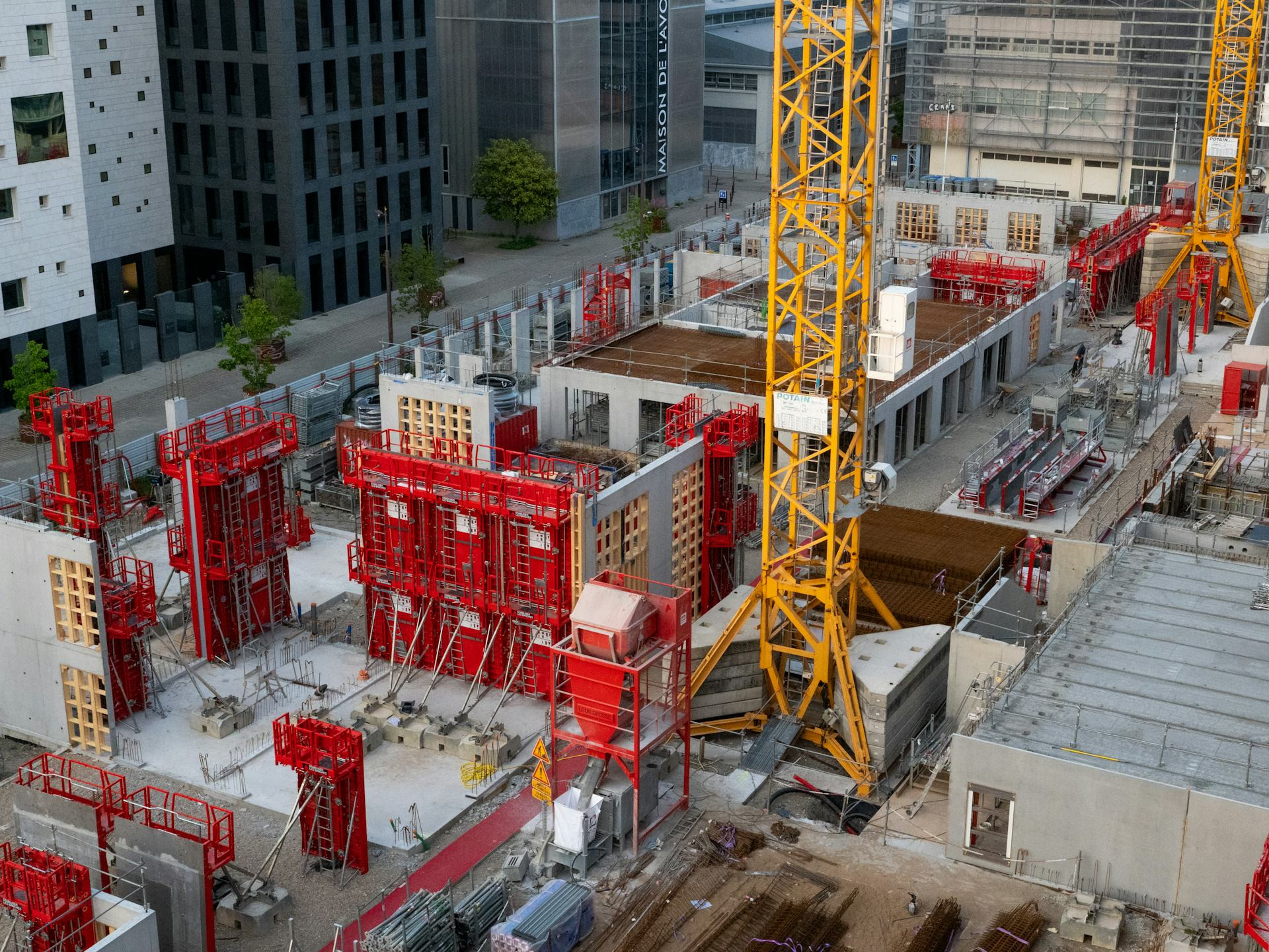
- Tower Cranes: Often used for high-rise buildings, tower cranes provide a significant lifting height and are highly stable. They are permanently fixed to the ground, making them suitable for large projects.
- Crawler Cranes: With tracks instead of wheels, crawler cranes can navigate rough terrain and are often used in places where mobility is restricted.
- Overhead Cranes: These are commonly found in factories and warehouses. They move along elevated tracks and are useful for moving heavy materials across a workspace.
Each type of crane has its unique strengths and limitations. Understanding these differences will help you select the best option for your specific project needs.
Factors to Consider When Choosing Crane Equipment
Selecting the right crane involves several considerations:
- Project Scale: Determine how large and complex your project is. Larger projects may require larger cranes with higher lifting capacities.
- Site Conditions: Assess the physical landscape where the crane will operate. Soft ground, limited access, and overhead obstructions may influence your choice.
- Lifting Capacity: It’s essential to calculate the weight of the materials to be lifted. Choose a crane with a capacity that exceeds the maximum weight to ensure safety.
- Availability and Cost: Evaluate the cost of renting versus purchasing crane equipment, considering your project timeline and budget.
By taking these factors into account, you can make a well-informed decision that aligns with your project requirements.
Safety Considerations in Crane Operations
Safety is paramount in any construction operation. When using cranes, consider the following guidelines:
- Training: Ensure that operators are well-trained and certified to operate the cranes. Proper training can prevent accidents and ensure compliance with safety regulations.
- Inspection: Conduct regular inspections and maintenance checks on the crane equipment. This practice helps identify and resolve potential issues before they lead to accidents.
- Communication: Maintain clear communication among the crew, especially between the crane operator and ground personnel. Use hand signals or two-way radios to ensure everyone is informed.
- Weather Conditions: Be aware of weather conditions that can affect crane operations. Wind, rain, or snow can pose hazards and should be monitored closely.
Implementing these safety protocols not only protects workers but also enhances the efficiency of the project.
Technological Advancements in Crane Equipment
The crane industry is evolving with technology, leading to more efficient and safer equipment. Innovations in crane technology include:
- Telematics: Many modern cranes are equipped with telematics systems that allow for real-time monitoring of equipment performance, including lifting capacities and operational efficiency.
- Remote Control: Remote-controlled cranes promote safety by allowing operators to control machinery from a distance, minimizing the risk of accidents in hazardous environments.
- Automated Functions: Some cranes now feature automated functions that help optimize lifting processes. This technology can reduce human error and improve precision.
Staying informed about these advancements allows project managers to leverage cutting-edge technology, ultimately contributing to project success.
Rental vs. Purchase: Making the Right Choice
Deciding whether to rent or purchase crane equipment is a critical factor that affects project cost and efficiency. Here are some points to consider:
- Duration of Use: If the crane is needed for a short-term project, renting may be the economical choice. For long-term projects, purchasing may prove to be more cost-effective.
- Maintenance Responsibility: Renting equipment often comes with maintenance included, relieving you of the responsibility for upkeep. Owning equipment requires a dedicated budget for maintenance and repairs.
- Availability of Equipment: Depending on your location and project timeline, finding the right crane for rent may be challenging. Additionally, owning your equipment ensures availability whenever needed.
Understanding your project duration, budget constraints, and equipment needs will facilitate a sound decision between renting and purchasing.
Maximizing Project Efficiency with the Right Crane
Investing in the right crane equipment is more than just a choice; it is a strategic decision that can maximize your project’s efficiency. Whether its through the increased lifting capacity, greater maneuverability, or advanced safety features, the right crane can help unlock your project’s potential. As construction projects continue to grow in complexity, aligning your equipment choices with project requirements becomes essential in driving success.
