The Importance of Building Regulations for Preventing Dampness and Mould


The Importance of Building Regulations for Preventing Dampness and Mould
Dampness and mould are among the most persistent and damaging problems in Indian buildings. They not only weaken structures but also pose serious health risks to occupants, including respiratory issues and allergies. Yet, many of these problems can be prevented during the design and construction stages—if building regulations are properly followed and enforced. Building codes play a crucial role in ensuring that structures are designed, built, and maintained to resist moisture and prevent mould growth.
The Purpose of Building Regulations – Health, Safety, and Durability
India’s building regulations, including the National Building Code (NBC) and various state-level by-laws, are designed to ensure safety, health, and structural integrity. These regulations require that buildings be constructed to withstand environmental factors such as rain, humidity, and groundwater. In a country with diverse climates—from the humid coasts of Kerala to the dry plains of Rajasthan—moisture control is a key aspect of sustainable construction.
The rules cover everything from material selection and waterproofing to ventilation and drainage. The goal is not only to protect the building itself but also to safeguard the health of its occupants. Mould thrives in damp environments, and even small construction errors—like poor waterproofing, inadequate ventilation, or thermal bridges—can create ideal conditions for its growth.
Key Moisture Control Requirements in Indian Building Codes
The National Building Code and related standards outline several measures to prevent dampness and mould. Some of the most important include:
- Protection against external moisture: Foundations, walls, and roofs must be designed to prevent rainwater and groundwater from seeping in. This includes proper damp-proof courses, waterproof membranes, and site drainage systems.
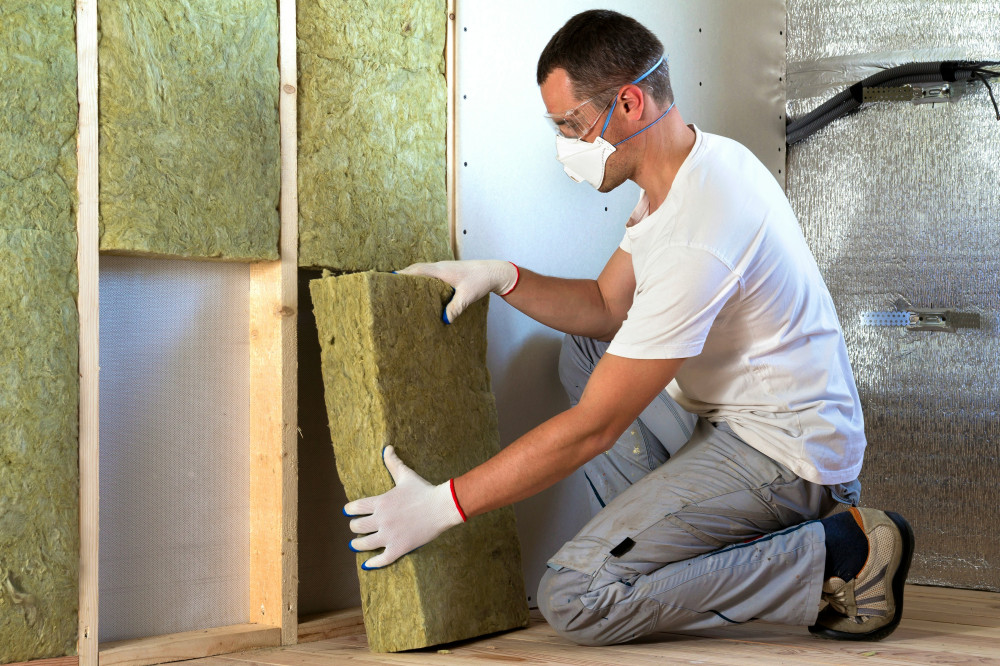
- Control of internal humidity: Adequate ventilation and insulation are essential to maintain a dry indoor environment. Kitchens, bathrooms, and basements require special attention, with waterproof finishes and exhaust systems to remove moisture-laden air.
- Prevention of condensation: Building envelopes should be designed to avoid condensation on walls and ceilings. This involves correct placement of vapour barriers and thermal insulation, especially in air-conditioned spaces.
- Proper site drainage: The site should be graded and drained so that rainwater flows away from the building. Poor drainage is one of the most common causes of rising damp in Indian homes.
These requirements are not just technical details—they are essential for preventing long-term damage that often becomes visible only years after construction.
Responsibility and Supervision During Construction
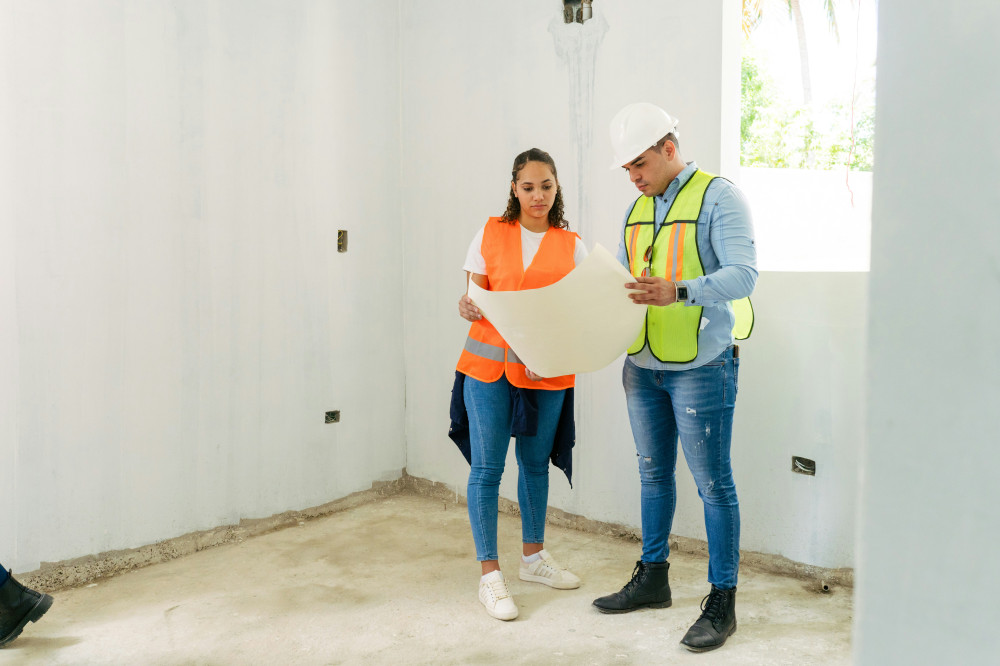
Building regulations assign responsibility for moisture control to multiple stakeholders. The developer or owner is ultimately responsible for compliance, while architects, engineers, and contractors must ensure that technical solutions are correctly designed and implemented. Local authorities, through building plan approvals and inspections, play a supervisory role.
Quality control during construction is critical. Waterproofing layers, drainage systems, and ventilation ducts must be inspected and tested before completion. Documentation, including photographs and test reports, helps verify compliance and can prevent disputes later.
Failure to follow these standards can lead to costly repairs, legal liabilities, and even structural failure in severe cases.
Maintenance and Use – Regulations Beyond Construction
Even the best-constructed building can develop dampness if it is not properly maintained. Building regulations and housing guidelines emphasize regular maintenance, especially for drainage systems, roofs, and plumbing. Gutters should be cleaned, leaks repaired promptly, and ventilation systems serviced regularly.
For homeowners, simple habits such as ensuring cross-ventilation, avoiding water stagnation near foundations, and checking for early signs of dampness can make a big difference. Many mould problems arise because small issues—like a leaking pipe or blocked drain—are ignored until they become major.
New Trends: Sustainability and Moisture Management
As India moves toward greener and more energy-efficient buildings, moisture management becomes even more important. Highly insulated and airtight buildings can save energy but may trap humidity if ventilation is inadequate. The latest updates to the National Building Code and green building rating systems, such as GRIHA and IGBC, integrate moisture control with energy efficiency requirements.
This holistic approach ensures that sustainable buildings are not only energy-efficient but also healthy and durable. It calls for interdisciplinary collaboration between architects, engineers, and environmental specialists.
Læs også:




Prevention Is Better Than Cure
Experience shows that preventing dampness and mould is far cheaper and easier than repairing the damage later. Building regulations are therefore not just bureaucratic requirements—they are tools for ensuring quality, safety, and health in construction. When followed diligently, they help builders, homeowners, and communities avoid the costly consequences of neglect.
In short, good building practices and strict adherence to regulations are the best insurance against dampness and mould—an investment in both the longevity of the building and the well-being of its occupants.
Læs også: