Rats and Rat-Proofing: Myths and Facts You Should Know

Rats and Rat-Proofing: Myths and Facts You Should Know
Rats are among the most troublesome pests in India’s cities and villages alike. They damage property, contaminate food, and spread diseases such as leptospirosis and salmonellosis. Yet, many misconceptions persist about how to prevent and control them. This article clears up some of the most common myths and offers practical facts about rat-proofing your home and surroundings.
Myth 1: “Rats only infest dirty places”
It’s a widespread belief that rats appear only where hygiene is poor. In reality, rats are opportunistic creatures that seek food, water, and shelter—conditions that can exist even in clean homes. A small gap in a wall, an open drain, or leftover pet food can be enough to attract them.
Fact: Even well-maintained homes can face rat problems if there are entry points or easy access to food. Regular inspection of drains, pipes, and storage areas is just as important as keeping your home clean.
Læs også:


Myth 2: “Poison is the best way to get rid of rats”
Using poison without proper knowledge can be dangerous. It can harm pets, wildlife, and even children, and may lead to rats developing resistance. In India, pest control professionals are trained to use rodenticides safely and only when necessary.
Fact: The safest and most effective approach is to contact a licensed pest control service. They can assess the situation and use traps or bait stations responsibly. Avoid using unregulated poisons sold in local markets.
Myth 3: “Rats can’t climb or swim”
Rats are excellent climbers and swimmers. They can scale walls, pipes, and wires, and even swim through drains and toilets. In densely populated areas with old drainage systems, this is a real concern.
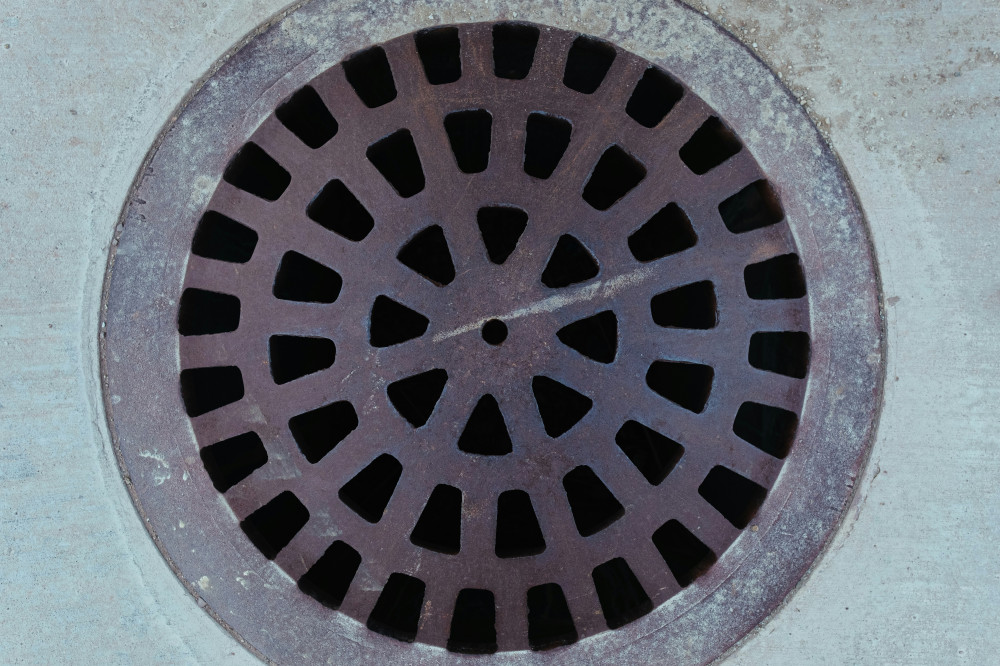
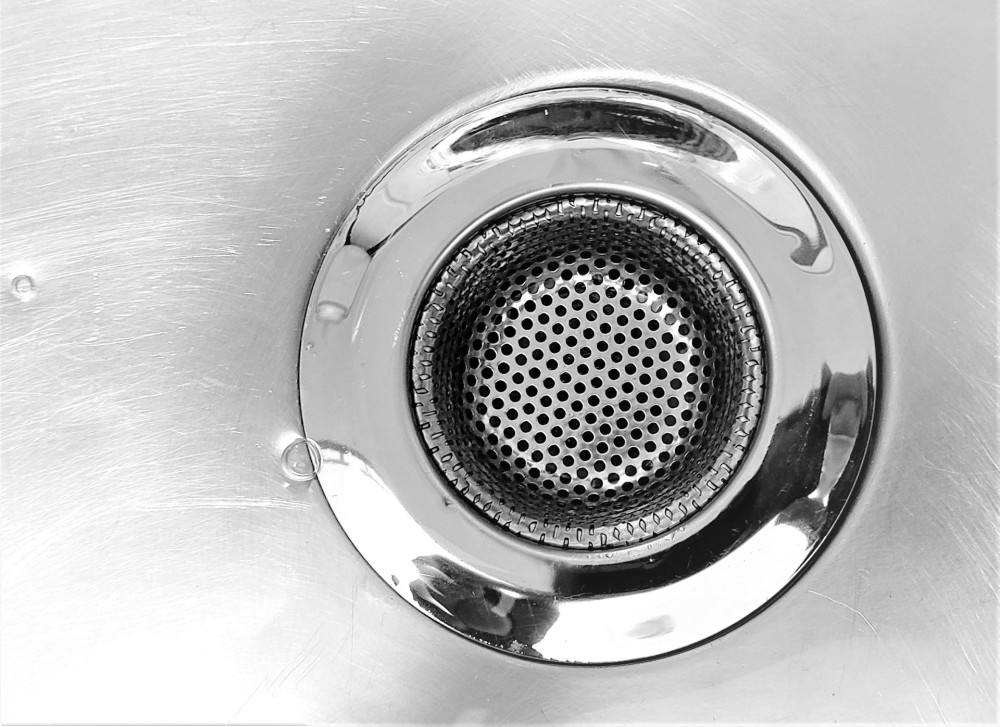
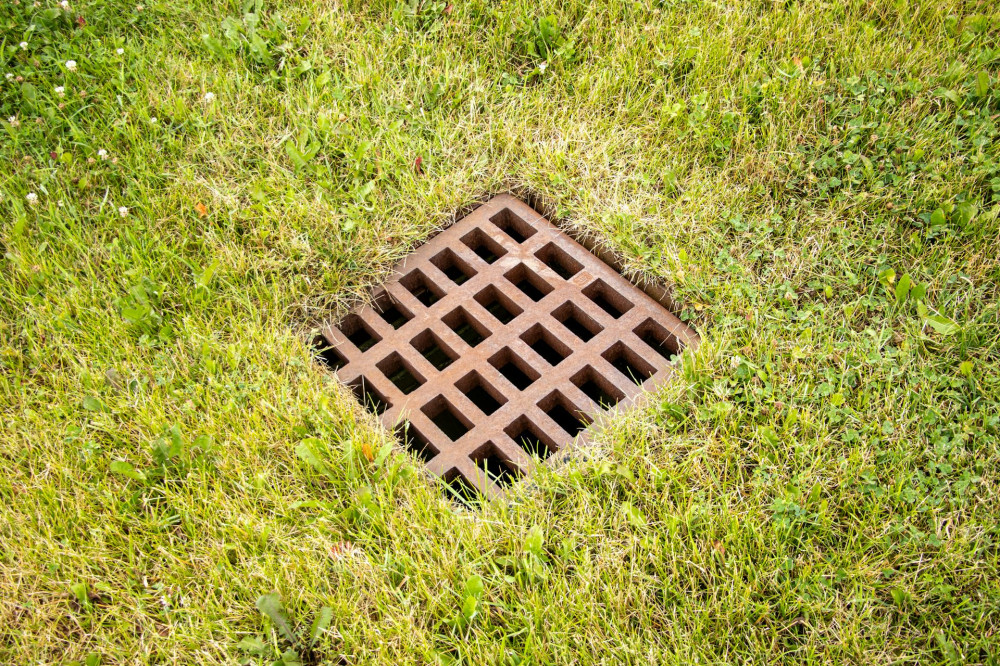
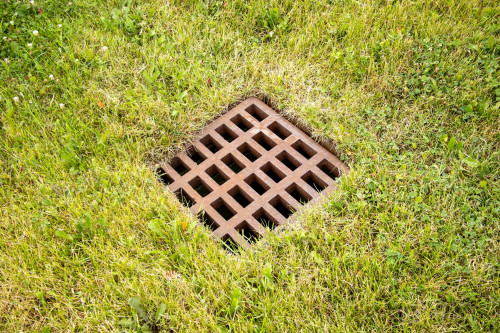
Fact: Install drain covers and ensure that all pipes and vents are properly sealed. In ground-floor bathrooms, consider fitting a one-way valve or mesh to prevent rats from entering through the plumbing.
Myth 4: “Rats live only in sewers”
While sewers are a common habitat, rats can live almost anywhere—under piles of garbage, in godowns, behind false ceilings, or in gardens. They are highly adaptable and can survive on very little food.
Fact: Look for signs such as droppings, gnaw marks, burrows, or greasy trails along walls. These indicate that rats may be nesting nearby, not just underground.
Myth 5: “Cats or snakes will keep rats away”
Although cats and snakes may catch a few rats, they cannot eliminate an infestation. Rats breed quickly and are often too cautious to be caught easily. Relying on natural predators alone is not an effective solution.
Fact: The best prevention is to block access points and remove food sources. Proper waste management and structural maintenance are far more reliable than depending on pets or wildlife.
How to Rat-Proof Your Home
Preventing rats is easier and cheaper than dealing with an infestation. Here are some key steps you can take:
- Seal entry points: Close all cracks, holes, and gaps around doors, windows, and pipes. Rats can squeeze through openings as small as a coin.
- Manage waste properly: Use covered dustbins and dispose of garbage regularly. Avoid leaving food waste or animal feed exposed.
- Keep drains and surroundings clean: Ensure that drains are covered and not clogged. Remove piles of debris, old furniture, or cardboard that can serve as hiding spots.
- Store food securely: Keep grains, pulses, and snacks in airtight containers, especially in kitchens and storerooms.
- Trim vegetation: Overgrown plants and creepers near walls can provide easy access for rats to enter your home.
What to Do If You Spot a Rat
If you see a rat or signs of one, act quickly. Contact your local municipal pest control department or a certified pest management company. They can identify the source and take appropriate measures. Avoid using homemade poisons or traps that may cause harm to other animals.
Myths Can Be Costly
Many households suffer damage and health risks because they underestimate the problem or believe in ineffective remedies. Myths like “it won’t happen to me” or “my cat will handle it” can lead to bigger infestations and expensive repairs. By understanding the facts and taking preventive action, you can protect your home, your family, and your community.
Rats are part of the urban ecosystem, but they don’t belong inside our homes. With awareness, vigilance, and proper rat-proofing, you can keep them out—and live more safely and comfortably.
Læs også: