Paint with Shadow Effects – Add Depth and Character to Your Walls

Paint with Shadow Effects – Add Depth and Character to Your Walls
A wall doesn’t have to be a single flat colour to look beautiful. With shadow effects, you can bring life, depth, and personality into your space – no artistic background required. The technique is all about playing with light, colour, and contrast to create a more dynamic look. From subtle tone-on-tone transitions to bold shadow patterns that mimic texture or movement, this approach can completely transform your interiors. Here’s how you can use shadow painting to give your Indian home a unique and stylish touch.
What Are Shadow Effects?
Shadow effects are a painting technique that uses multiple shades of the same colour – or contrasting colours – to create the illusion of depth. It’s inspired by the way natural light falls on surfaces: some areas appear lighter, others darker. When you recreate this on your wall, the result feels both lively and soothing.
You can apply this technique across an entire room, on a single accent wall, or behind a piece of furniture or artwork. It works especially well in spaces where you want warmth and personality – such as the living room, bedroom, or hallway.
Choosing the Right Colours
Colour selection is key to achieving the right shadow effect. A good rule of thumb is to pick two or three shades of the same colour family, with only a moderate difference between them. This ensures a smooth, natural transition.
- Soft transitions: Try shades like sage green, olive, and deep forest green.
- Bold contrasts: Combine beige with chocolate brown, or sky blue with navy.
- Light and shadow: Observe how sunlight enters your room. A darker tone in corners or near the floor can create a natural shadow effect.
In India, where sunlight can be intense, it’s wise to test your colours at different times of the day. Morning and afternoon light can dramatically change how a shade appears. Paint small samples on your wall and observe them before making your final choice.
Step-by-Step: How to Paint with Shadow Effects
Painting with shadow effects takes a bit of patience, but it’s easy to learn. Here’s a simple process to follow:
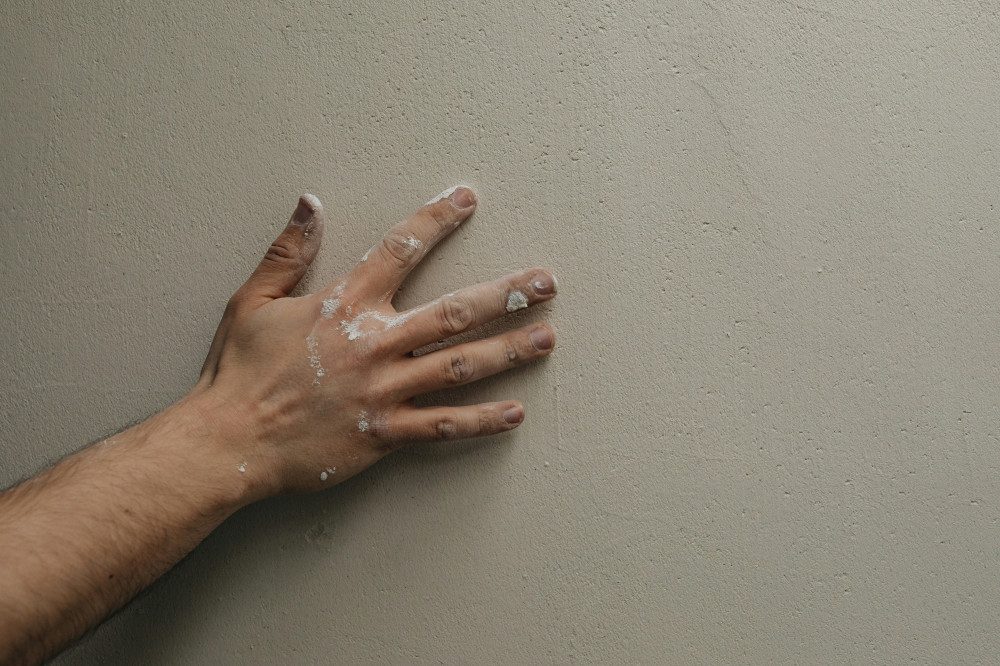
- Prepare the wall. Make sure the surface is clean, dry, and smooth. Fill any cracks or holes, and apply a base coat in the lightest shade.
- Plan your design. Lightly mark where you want the darker areas – perhaps behind a sofa, around a window, or as a soft gradient across the wall.
- Apply the darker shade. Use a wide brush or sponge and work in circular or sweeping motions for a soft transition.
- Blend the colours. While the paint is still wet, use a dry brush or cloth to blur the edges between shades.
- Refine the look. Once dry, you can add more depth by repeating the process in selected areas.
For a rustic or textured look, try sponge painting or dry brushing – techniques that leave visible strokes and add character to the surface.
Inspiration for Different Styles
Shadow effects can complement many interior styles. Here are a few ideas:
- Contemporary minimalism: Use neutral tones like ivory, taupe, and grey. Keep the shadows subtle for a calm, elegant look.
- Warm Indian hues: Blend terracotta, mustard, and burnt orange for a sunlit, earthy feel that suits Indian homes beautifully.
- Modern contrast: Create graphic shadows with sharp transitions between light and dark – for example, charcoal and white or teal and navy.
- Vintage charm: Use limewash or chalk paint and let brushstrokes show. This gives a matte, textured finish reminiscent of old Indian havelis.
Læs også:

Tips for a Beautiful Finish
- Work on small sections at a time so the paint doesn’t dry before you blend.
- Use soft brushes or sponges to avoid harsh lines.
- Remember that less is more – subtle shadows often look more sophisticated than strong contrasts.
- Practice first on a piece of cardboard or spare wall to get comfortable with the technique.
If you’re painting in a humid or coastal area, choose high-quality, washable paints that resist moisture and fading. This ensures your shadow effects stay fresh for years.
A Room with Life and Depth
Shadow painting isn’t just about colour – it’s about atmosphere. It can make a room feel larger, warmer, or more tranquil, depending on how you use it. It’s a creative way to express your personality and bring a sense of artistry into your home.
So next time you pick up a paintbrush, think beyond plain walls. With shadow effects, you can create a space that feels both personal and harmonious – a home where light and shade tell their own story.
Læs også: