Old Walls, New Ideas: Historical Building Methods as Inspiration for Modern Architecture

Old Walls, New Ideas: Historical Building Methods as Inspiration for Modern Architecture
When we talk about sustainable architecture today, the conversation often revolves around solar panels, smart materials, and futuristic designs. Yet, some of the most sustainable ideas are centuries old. Across India, traditional building methods evolved in harmony with the climate, the landscape, and the materials at hand. These methods hold lessons that modern architects are beginning to rediscover.
Built for the Climate, Not Against It
Before industrial materials became widespread, Indian builders designed homes that responded naturally to their surroundings. In Rajasthan, thick sandstone walls and inner courtyards kept houses cool in the desert heat. In Kerala, sloping tiled roofs and open verandas allowed heavy monsoon rains to flow off easily while letting air circulate. In the Himalayas, timber-laced stone walls provided both insulation and earthquake resistance.
These structures were not only beautiful but also practical. They used passive cooling, natural ventilation, and locally available materials to create comfort without mechanical systems. As Indian cities now face rising temperatures and energy demands, these age-old principles offer valuable guidance for designing climate-responsive buildings.
Læs også:


Local Materials and Circular Thinking
Traditional Indian architecture was inherently sustainable because it relied on what was locally available. Mud, lime, bamboo, laterite, and stone were sourced from nearby areas, reducing transport and waste. When a building reached the end of its life, its materials could often be reused or returned to the earth.
Today, this approach is being revived under the banner of circular design. Architects are experimenting with rammed earth walls, lime plasters, and reclaimed wood. In Auroville, for instance, builders have long explored earth-based construction that combines traditional wisdom with modern engineering. The goal is not nostalgia, but resilience—creating buildings that last, breathe, and age gracefully.
The Craft of Building
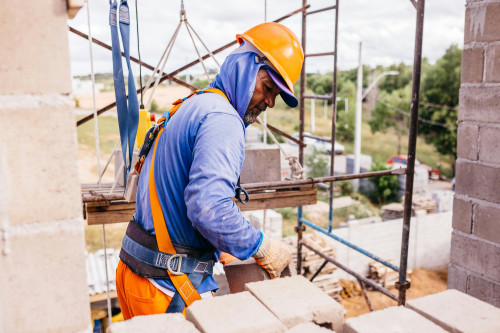
Old construction techniques demanded skill and deep understanding of materials. Craftsmen knew how to mix lime mortar, carve stone joints, and weave bamboo frameworks that could withstand time and weather. As industrial construction took over, much of this knowledge began to fade.
Now, a new generation of architects and artisans is reviving these crafts. Workshops and design schools across India are teaching traditional methods alongside modern design tools. This revival is not only about preserving heritage—it’s about building healthier, more human spaces. A well-crafted wall of mud or lime can regulate humidity, absorb sound, and create a sense of calm that concrete rarely achieves.
Tradition Meets Technology
Looking to the past does not mean rejecting innovation. On the contrary, combining traditional principles with modern technology can lead to groundbreaking solutions. Digital modeling can optimize natural light and airflow, echoing the intuitive designs of old havelis and courtyard houses. New bio-based materials like hempcrete and mycelium composites build on ancient ideas of natural insulation, but with contemporary precision.
In cities like Bengaluru and Ahmedabad, architects are experimenting with hybrid designs—using solar energy and rainwater harvesting systems within structures inspired by vernacular forms. The result is architecture that is both forward-looking and deeply rooted.
A New Respect for the Old
For decades, traditional buildings were dismissed as outdated or inefficient. Today, they are being re-evaluated as models of sustainability and cultural intelligence. They remind us that architecture is not just about form and function, but about balance—between people, place, and planet.
Drawing inspiration from historical building methods is not a step backward. It is a way to reconnect with a wisdom that modern construction often overlooks. As India continues to urbanize, the lessons of its old walls can help shape cities that are not only greener, but also more humane. The future of architecture may well depend on how we listen to the past.
Læs også: