Keep Your Pavement Beautiful: How to Maintain and Protect It for Longer Life

Keep Your Pavement Beautiful: How to Maintain and Protect It for Longer Life
A well-kept pavement not only enhances the look of your home or business but also ensures safety and durability. Whether it’s a driveway, walkway, or courtyard, India’s climate—with its mix of heat, monsoon rains, and dust—can take a toll on your paving. Regular care helps prevent cracks, stains, and weed growth, saving you from costly repairs later. Here’s how you can maintain and protect your pavement so it stays strong and attractive for years.
Begin with a Thorough Cleaning
Before you can assess the condition of your pavement, it needs to be clean. Dust, mud, and algae can build up quickly, especially during the monsoon season.
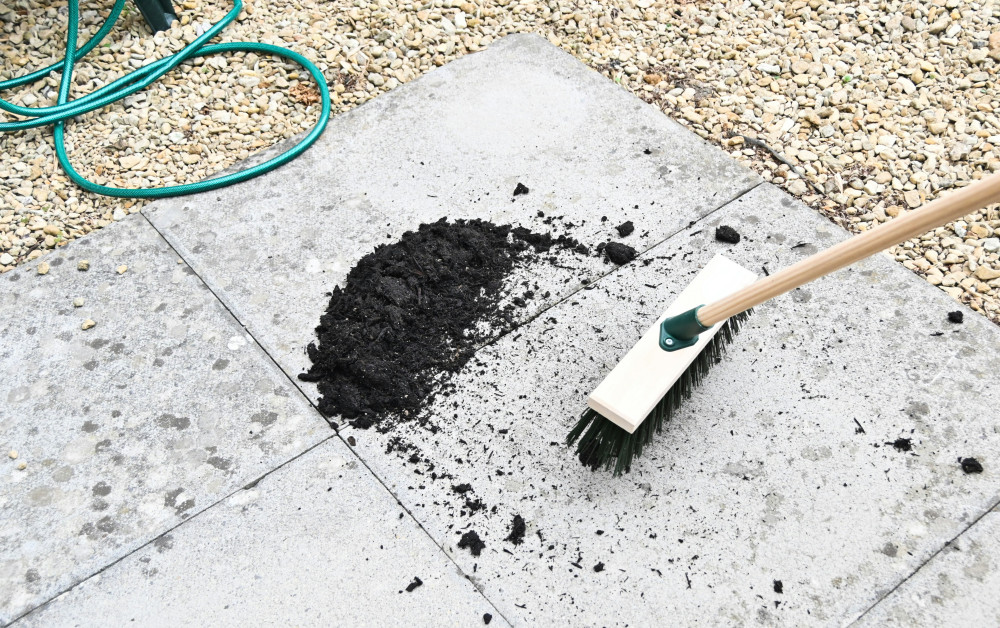
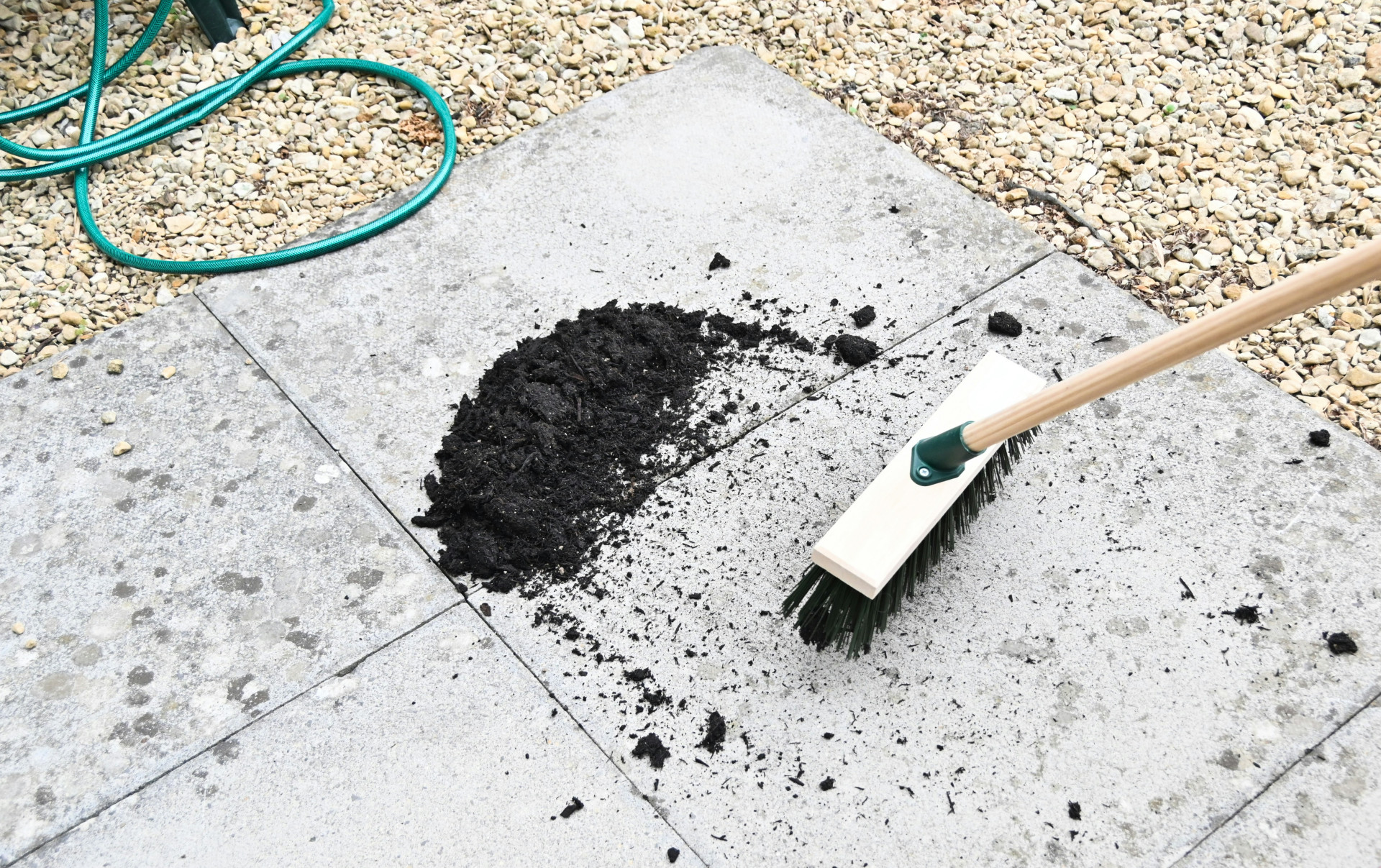
- Sweep regularly – Dry leaves, sand, and debris trap moisture and encourage moss and algae. A quick sweep once or twice a week keeps the surface clean and safe.
- Use a pressure washer carefully – Too much pressure can damage tiles or wash away joint sand. Use a wide spray nozzle and keep a safe distance.
- Choose eco-friendly cleaners – Avoid harsh chemicals that can harm nearby plants or seep into the soil. Opt for biodegradable or natural cleaning solutions.
Once the surface is clean, you can easily spot areas that need repair or re-sanding.
Keep Weeds Under Control
Weeds growing between tiles or pavers are a common problem in Indian gardens and driveways. They not only look untidy but can also loosen the paving over time.
- Refill joints with sand or stone dust – After cleaning, fill the gaps to prevent weed growth. Refill after heavy rains if needed.
- Remove weeds early – Use a stiff brush or a manual weed remover before roots take hold.
- Consider polymeric joint sand – This special sand hardens slightly when wet, making it difficult for weeds to grow.
Regular attention keeps your pavement neat and reduces maintenance in the long run.
Læs også:


Prevent Algae and Stains
In humid or shaded areas, algae and moss can make pavements slippery and discoloured. Oil stains from vehicles are another common issue.
- Ensure proper drainage – Standing water encourages algae growth and weakens the surface. Check that water flows away easily.
- Apply an anti-algae treatment – Use products suitable for outdoor use and follow the instructions carefully.
- Seal the surface – A good sealant or impregnator forms a protective layer that resists stains, moisture, and fading from sunlight.
A yearly treatment can keep your pavement looking fresh and safe to walk on.
Repair Damage Promptly
Small cracks or loose tiles can quickly worsen if ignored, especially with India’s temperature fluctuations and heavy rains.
- Fix uneven tiles – Lift the affected tiles, level the base with compacted sand or gravel, and place them back securely.
- Seal cracks in asphalt or concrete – Use repair compounds or bitumen to prevent water from seeping in and causing further damage.
- Check edges and borders – Loose edging stones can allow the pavement to shift or spread.
Timely repairs save both time and money while keeping your pavement stable and attractive.
Inspect Once a Year
A yearly inspection—ideally before the monsoon—helps you catch small issues early. Look for:
- Uneven or sunken areas
- Moss or algae in shaded corners
- Joints that need refilling
- Signs of poor drainage or water pooling
A few hours of maintenance before the rains can prevent major problems later.
Build Good Habits for Long-Lasting Pavement
The key to a beautiful pavement is consistency. Sweep regularly, remove weeds, and keep an eye on drainage. These small steps make a big difference over time.
A well-maintained pavement not only adds charm to your property but also reflects care and responsibility. With a little regular effort, you can enjoy a clean, safe, and durable surface that stands up to India’s weather for many years to come.
Læs også: