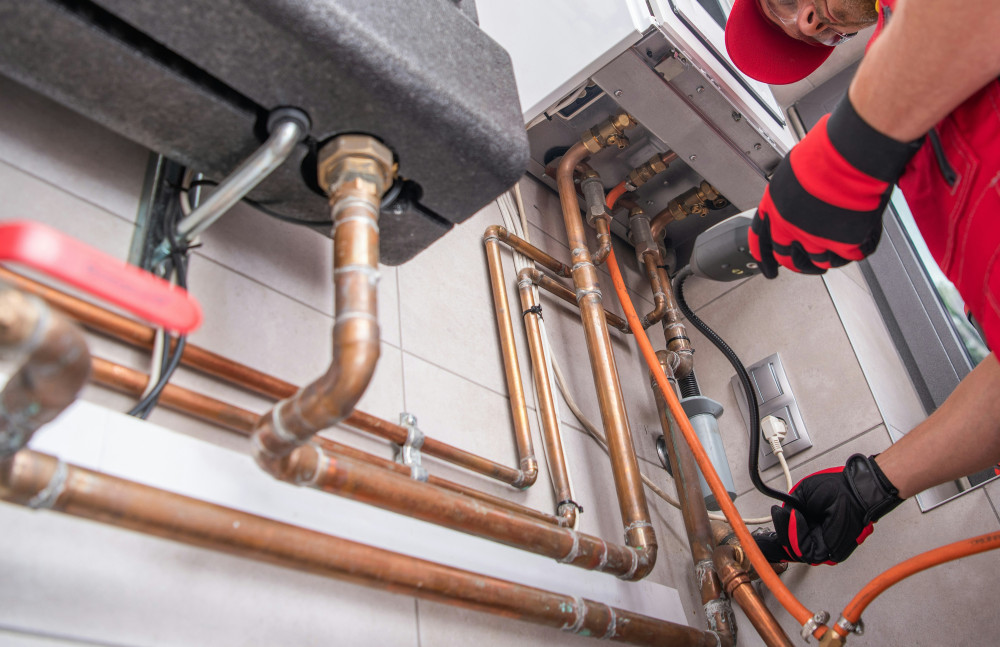
Is Your Natural Gas Furnace Inefficient? How to Detect and Fix the Problems

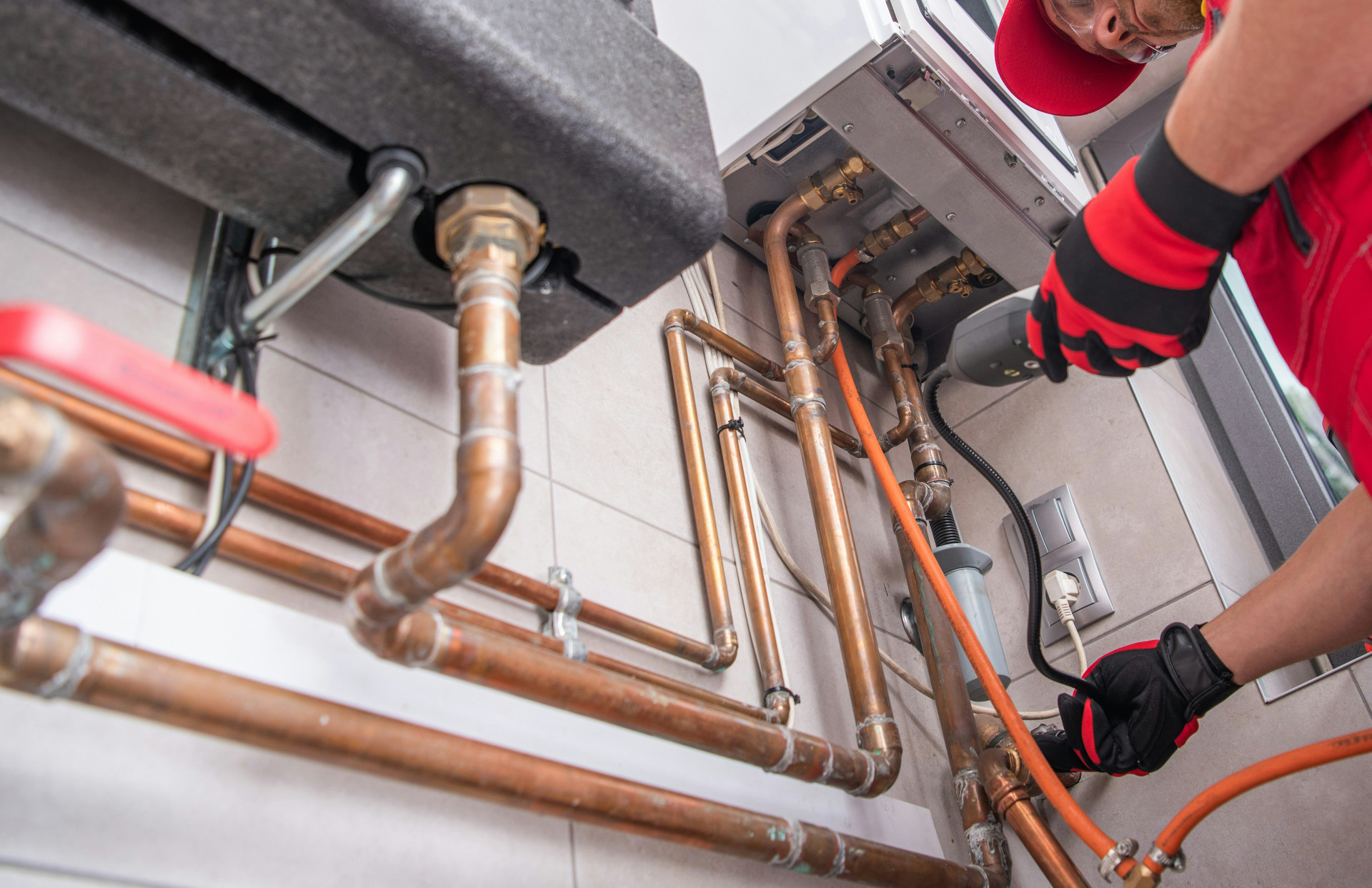
Is Your Natural Gas Furnace Inefficient? How to Detect and Fix the Problems
A natural gas furnace can provide reliable warmth for many years, but like any mechanical system, its performance can decline over time. If you’ve noticed higher gas bills, uneven heating, or frequent breakdowns, your furnace might not be running as efficiently as it should. The good news is that with a bit of attention and regular maintenance, you can restore its efficiency and extend its lifespan. Here’s how to spot the warning signs and what you can do to fix them.
Signs That Your Furnace May Be Losing Efficiency
An inefficient furnace rarely fails overnight. The signs often appear gradually:
- Rising gas consumption – if your gas usage has increased without any change in your heating habits, it could indicate poor combustion or worn-out components.
- Uneven heating – rooms that feel colder than others or radiators that don’t heat evenly may point to circulation issues or incorrect system settings.
- Frequent restarts or error codes – modern furnaces often display error messages that can signal problems with ignition, sensors, or pressure.
- Unusual noises – rattling, hissing, or banging sounds can be caused by air in the system, mineral buildup, or aging parts.
- Slow water heating – if your water takes longer to heat, the heat exchanger might be clogged with scale or debris.
Catching these symptoms early can help you avoid costly repairs and unnecessary energy waste.
Quick Checklist: How to Assess Efficiency
Before calling a technician, you can perform a few simple checks yourself:
- Check the pressure – most systems operate best between 1 and 2 bar. Low pressure can lead to poor heat distribution.
- Listen carefully – strange sounds can reveal trapped air or pump issues.
- Inspect thermostats – old or faulty thermostats can make your furnace work harder than necessary.
- Observe the flame – a clean, blue flame indicates proper combustion. A yellow or flickering flame may mean dirt buildup or incorrect air supply.
- Clean air intakes and vents – dust and debris can restrict airflow and reduce efficiency.
If you’re unsure about performing these checks, it’s best to have a certified service technician handle them.
Professional Servicing – A Smart Investment
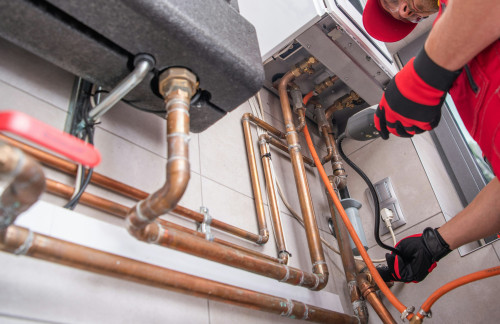
Your natural gas furnace should be serviced at least once a year. During a professional inspection, the burner is cleaned, seals and valves are checked, and combustion is fine-tuned. This ensures that your furnace operates at peak efficiency and uses the least amount of gas possible.
Regular servicing can also detect early signs of wear before they turn into expensive breakdowns. In India’s humid and dusty conditions, annual maintenance is especially important to prevent corrosion and blockages.
When It’s Time to Replace the Furnace
Even with proper care, a natural gas furnace has a limited lifespan—typically 15 to 20 years. If yours is approaching that age, replacing it might be more economical than continuing to repair it.
Modern condensing gas furnaces are far more efficient than older models and can reduce gas consumption by up to 25–30%. They also emit less CO₂ and operate more quietly. If you’re considering a long-term solution, you might explore hybrid systems that combine gas heating with solar water heating or heat pumps—an increasingly popular option in Indian homes.
Læs også:
Everyday Tips to Improve Efficiency
Small changes in how you use your heating system can make a noticeable difference:
- Lower the temperature setting – many furnaces run hotter than necessary. Reducing the temperature slightly saves gas and reduces wear.
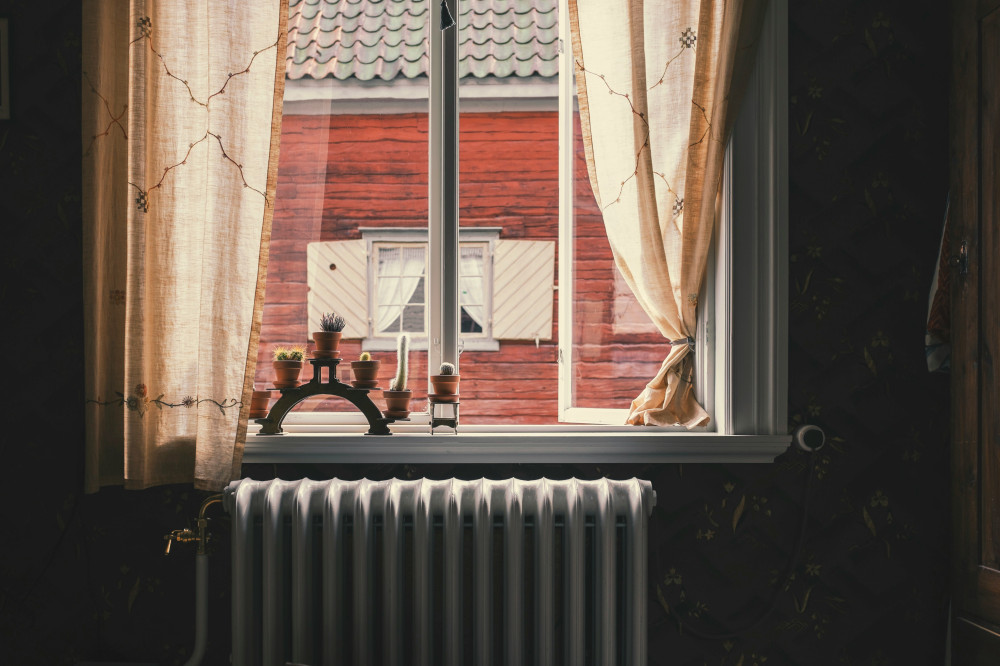
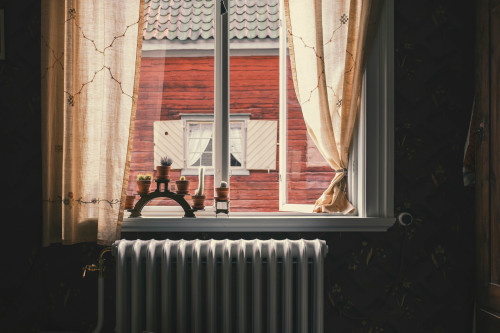
- Bleed radiators – trapped air prevents proper heat circulation.
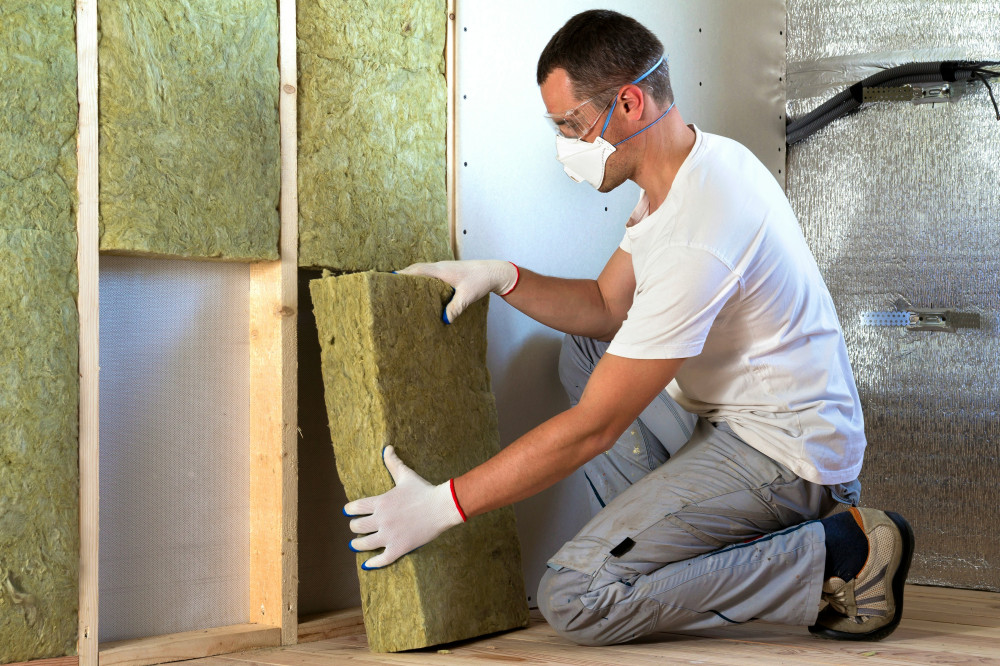
- Insulate pipes and hot water lines – especially in unheated areas or terraces.
- Use thermostats wisely – maintain a steady temperature instead of turning the heat on and off frequently.
- Monitor your gas usage – many modern meters allow digital readings, helping you spot unusual consumption early.
These simple steps require little effort but can significantly improve comfort and reduce your energy bills.
Efficiency Is Good for Both Your Wallet and the Environment
An efficient natural gas furnace isn’t just about staying warm—it’s about using energy responsibly. When your furnace runs efficiently, it consumes less gas, emits fewer greenhouse gases, and lasts longer. That’s a win for both your household budget and the environment.
By combining regular maintenance, small daily adjustments, and, when the time comes, an upgrade to newer technology, you can ensure that your heating system performs at its best—year after year.
Læs også: